


Social Sciences in Türkiye Research Ecosystem, Trends, and Policy Recommendations
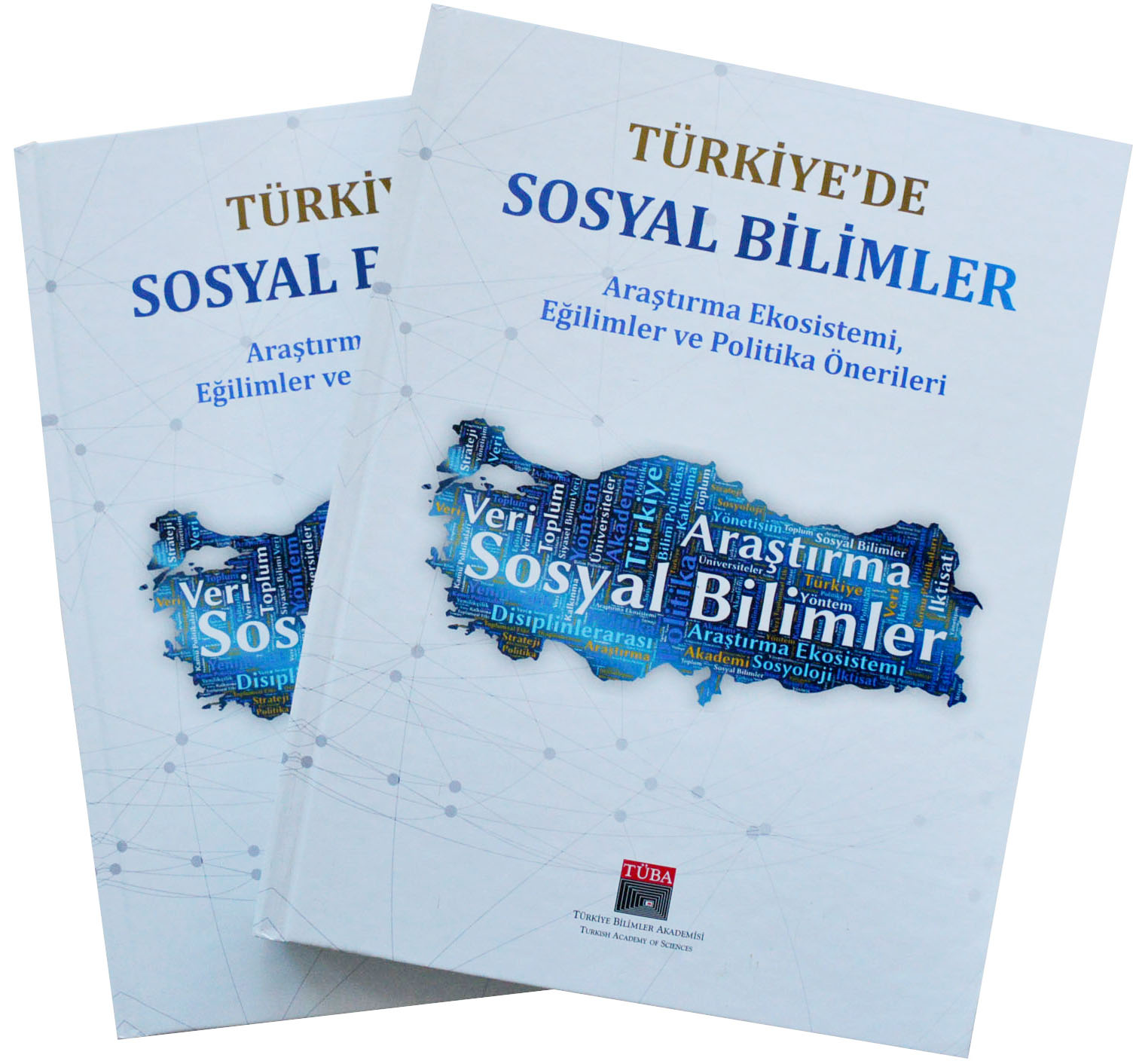 The comprehensive study titled “Social Sciences in Türkiye Research Ecosystem, Trends, and Policy Recommendations” published by TÜBA and prepared at the request of the Presidency’s Strategy and Budget Office (SBB), has been released to the public. Published as the 64th volume of the “Science and Thought Series,” the work examines the research ecosystem, trends, and policy recommendations in the social sciences in Türkiye from a holistic perspective.
The 392-page collective work evaluates the historical development, institutional structure, and current performance of the social sciences in Türkiye through both quantitative and qualitative analyses. While examining publication and citation performance from the 1980s to the present using bibliometric data, the book also provides a detailed analysis of universities’ positions in global rankings, the subject distribution of graduate theses, patterns of international collaboration, and funding mechanisms. The study does more than merely present the current landscape; it offers a comprehensive assessment of how research priorities are determined, where the focus lies, and which areas highlight structural issues.
Serving as a reference source for academics, graduate students, research centers, and policymakers in the social sciences, the book discusses Türkiye’s global visibility in the social sciences, the level of institutionalization of interdisciplinary studies, the adequacy of research infrastructure, and the impacts of performance evaluation systems. Additionally, scientific, financial, cultural, and bureaucratic challenges are analyzed, and solutions are proposed. The final section of the book presents concrete policy recommendations aimed at strengthening the social sciences ecosystem.
TÜBA President Prof. Dr. Muzaffer Şeker emphasized that the social sciences are not merely an area of academic production; rather, they constitute a strategic knowledge domain that informs decision-making processes across a wide range of fields, from public policies to urbanization, and from family structures to the world of work.
Prof. Dr. Şeker commented on the workshop process conducted with the Presidency of Strategy and Budget, stating: “Following the workshops conducted with the Presidency of Strategy and Budget on the performance and overall assessment of the social sciences in Türkiye, analyses regarding the main headings and evaluation topics that emerged were thoroughly discussed. We believe this study—which encompasses the historical position of the social sciences in Türkiye, current challenges, and their specific interpretations regarding various scientific disciplines—will make a significant contribution to the future development of the social sciences in our country. Following the workshop sessions, the Council compiled a list of recommendations. “We extend our gratitude to all the professors and colleagues who contributed their efforts, and especially to the Presidency of Strategy and Budget, for the sensitivity and importance they have shown toward this matter,” he said. He stated that the study would contribute to strengthening Türkiye’s institutional capacity in the field of social sciences and helping it achieve a more visible position at the international level.