

President Şeker: “We Must Read History with Curiosity and Measure.”
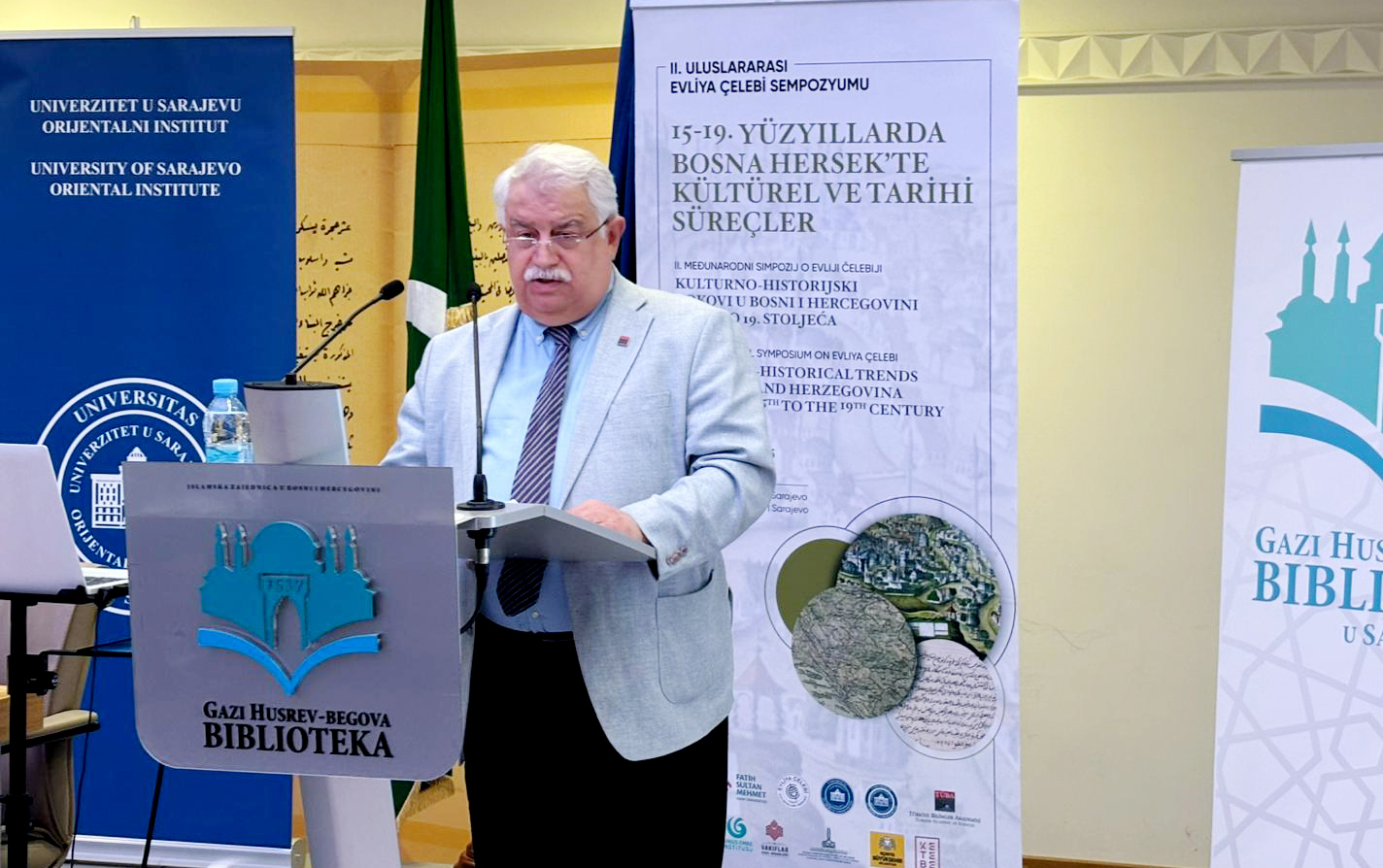
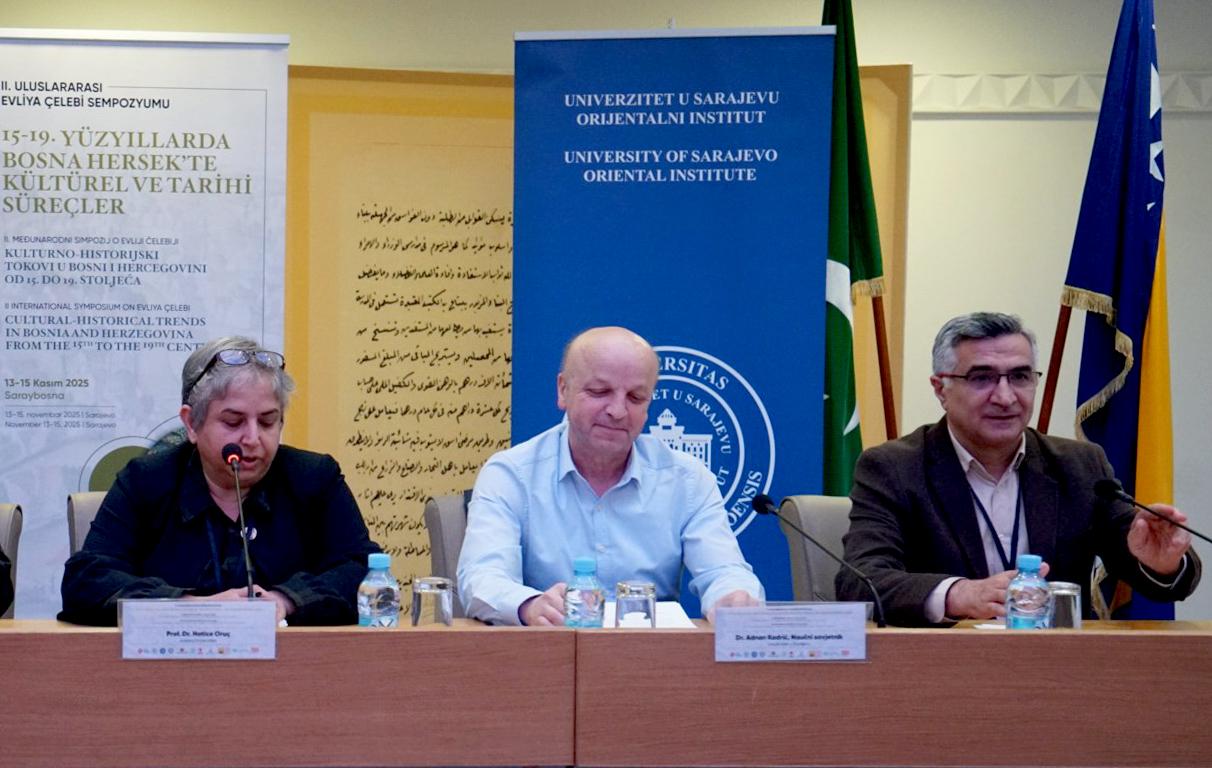
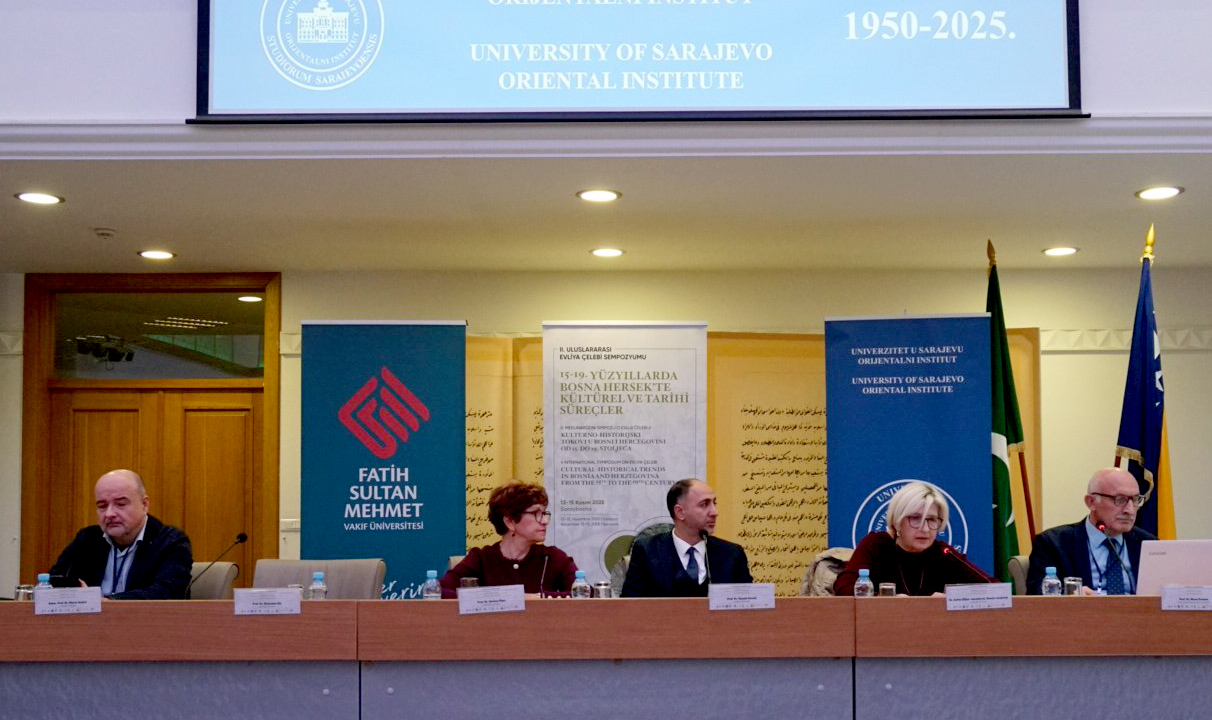
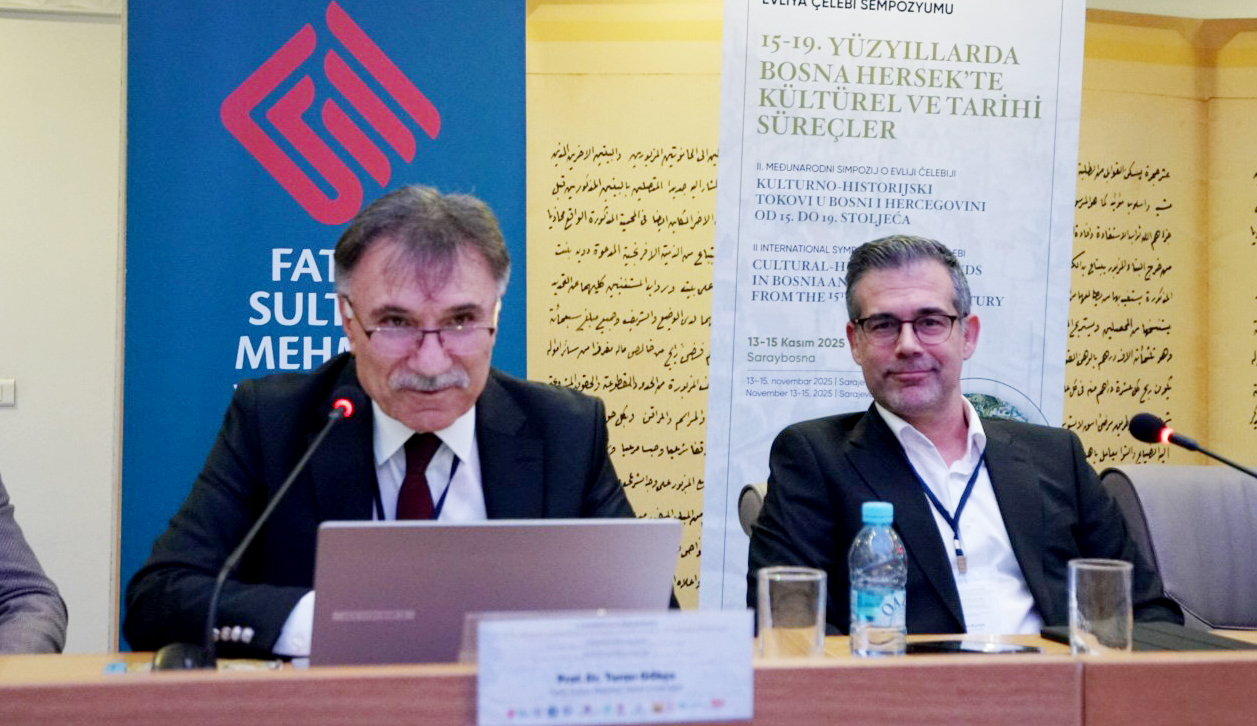
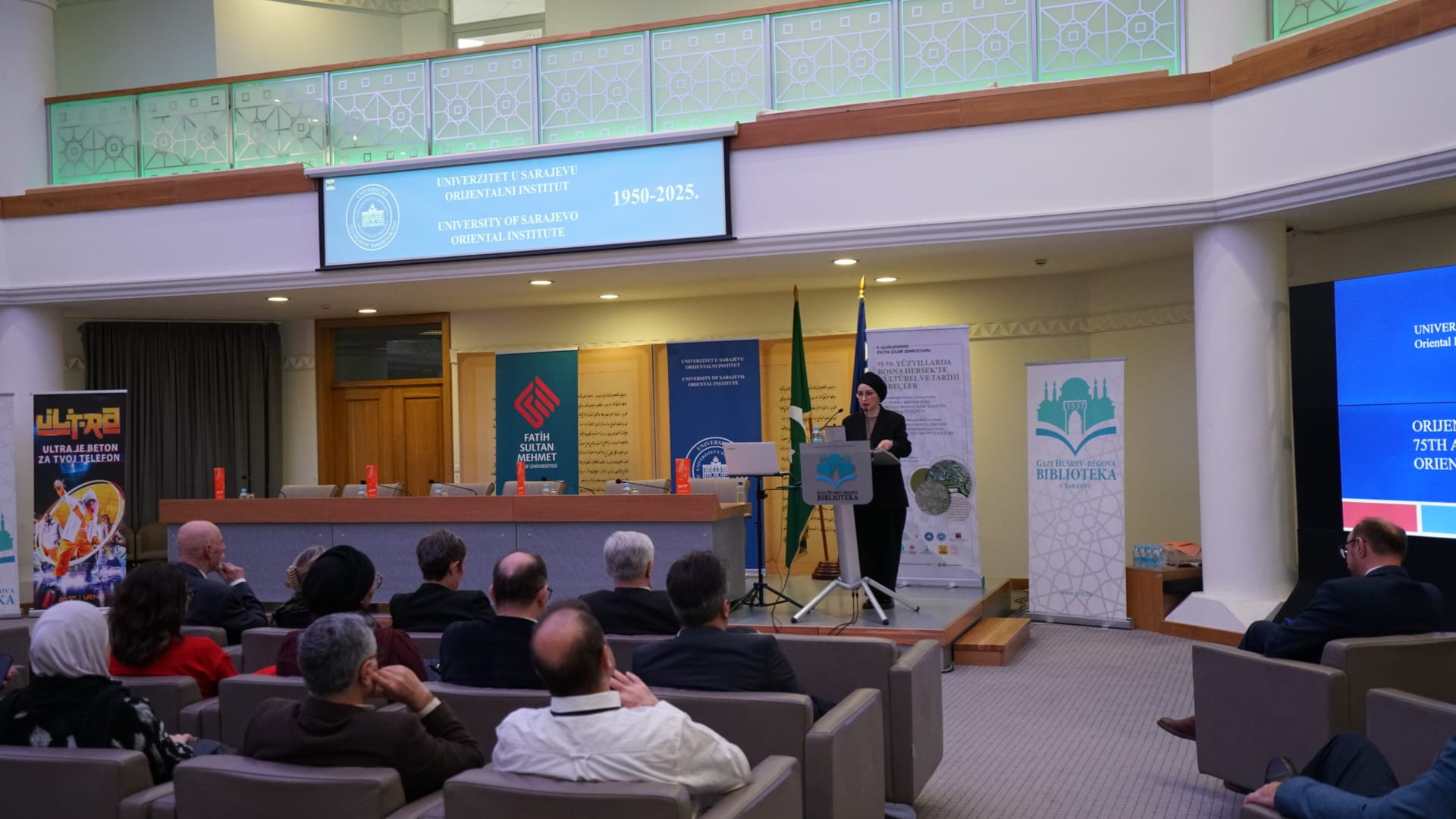
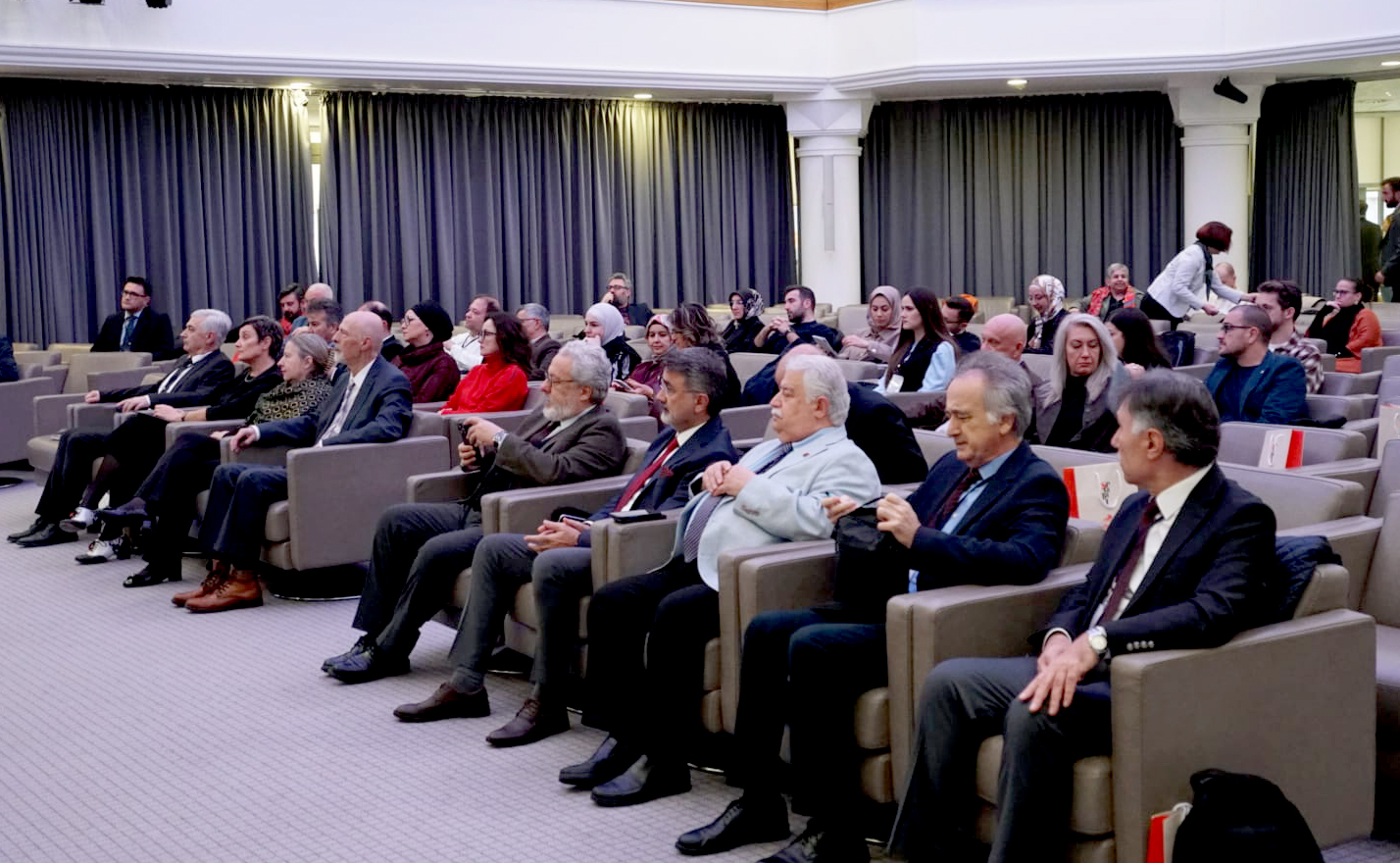
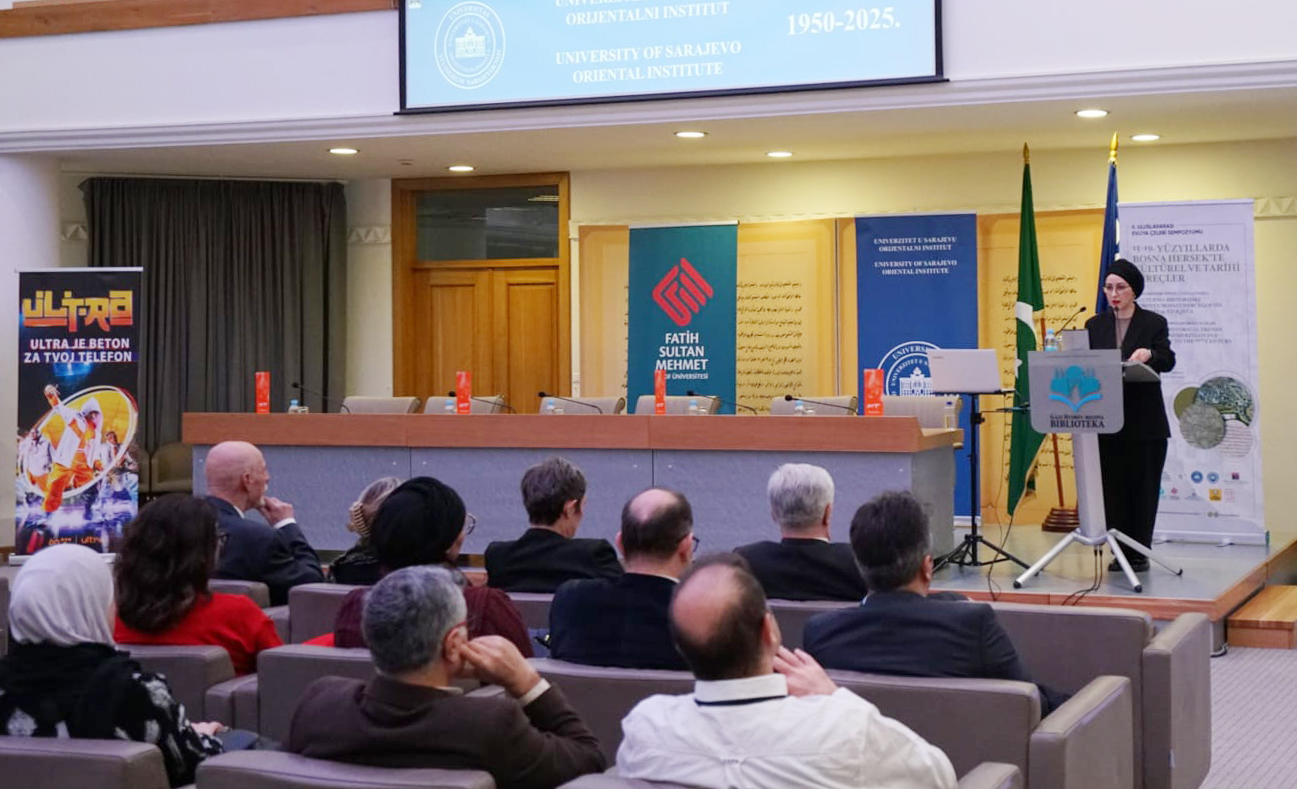
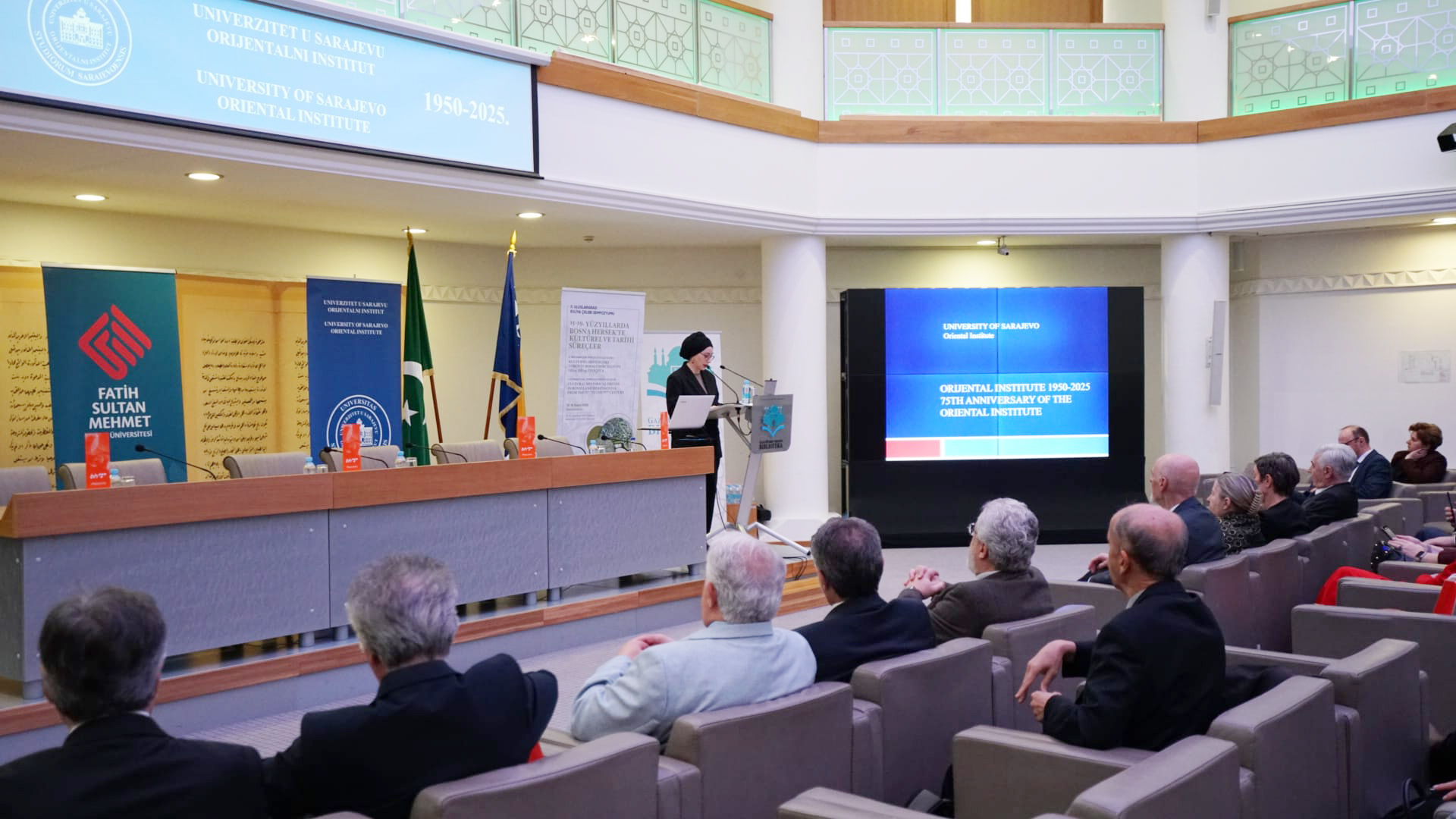
TÜBA President Prof. Dr. Muzaffer Şeker spoke at the 2nd Evliya Çelebi Symposium held in Bosnia and Herzegovina, jointly organized by Sarajevo University’s Oriental Institute and Fatih Sultan Mehmet Vakıf University (FSMVÜ), with TÜBA as a partner. Asst. Prof. Mehmet Tuğrul, his advisor, accompanied President Şeker.
Hosted by the Oriental Institute of the University of Sarajevo, the symposium’s theme was “Cultural and Historical Processes in Bosnia and Herzegovina from the 15th to the 19th Centuries.” The program, also organized on the occasion of the Institute’s 75th anniversary (1950–2025), examined the institutional, social, and cultural reflections of Ottoman rule and addressed the region’s long-term historical transformation through an interdisciplinary lens. It explored areas such as urbanization, architecture, religious life, art, education, and manuscript traditions, offering an opportunity to reinterpret Evliya Çelebi’s observations on Bosnia and to assess the region’s cultural and historical developments within the broader Ottoman geography.
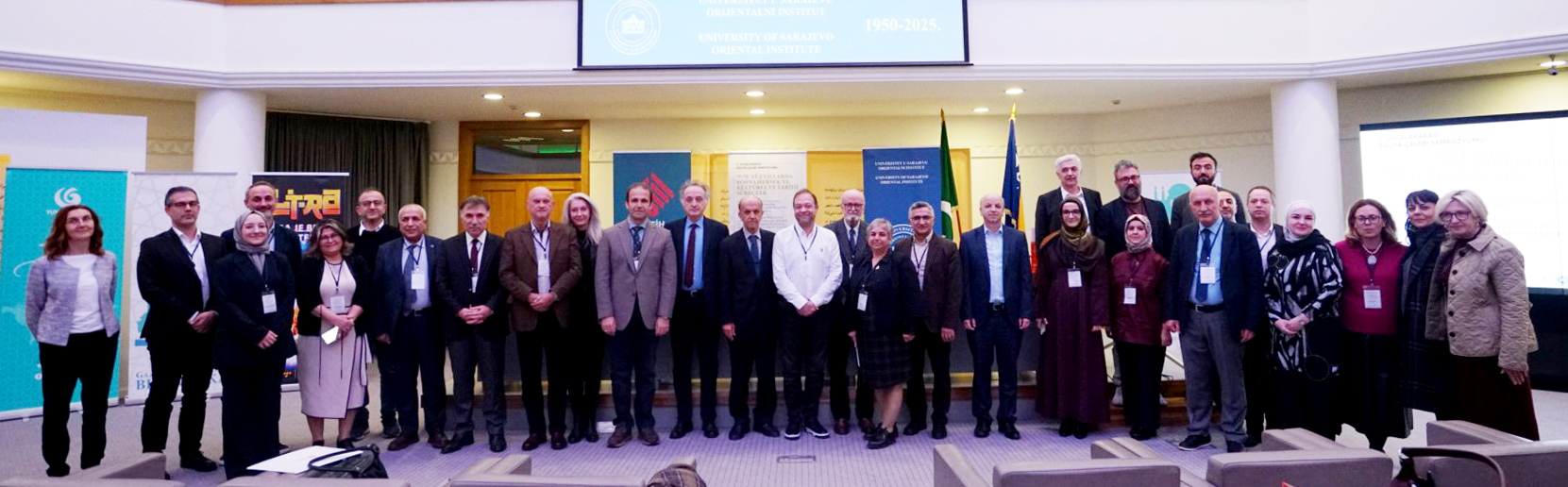
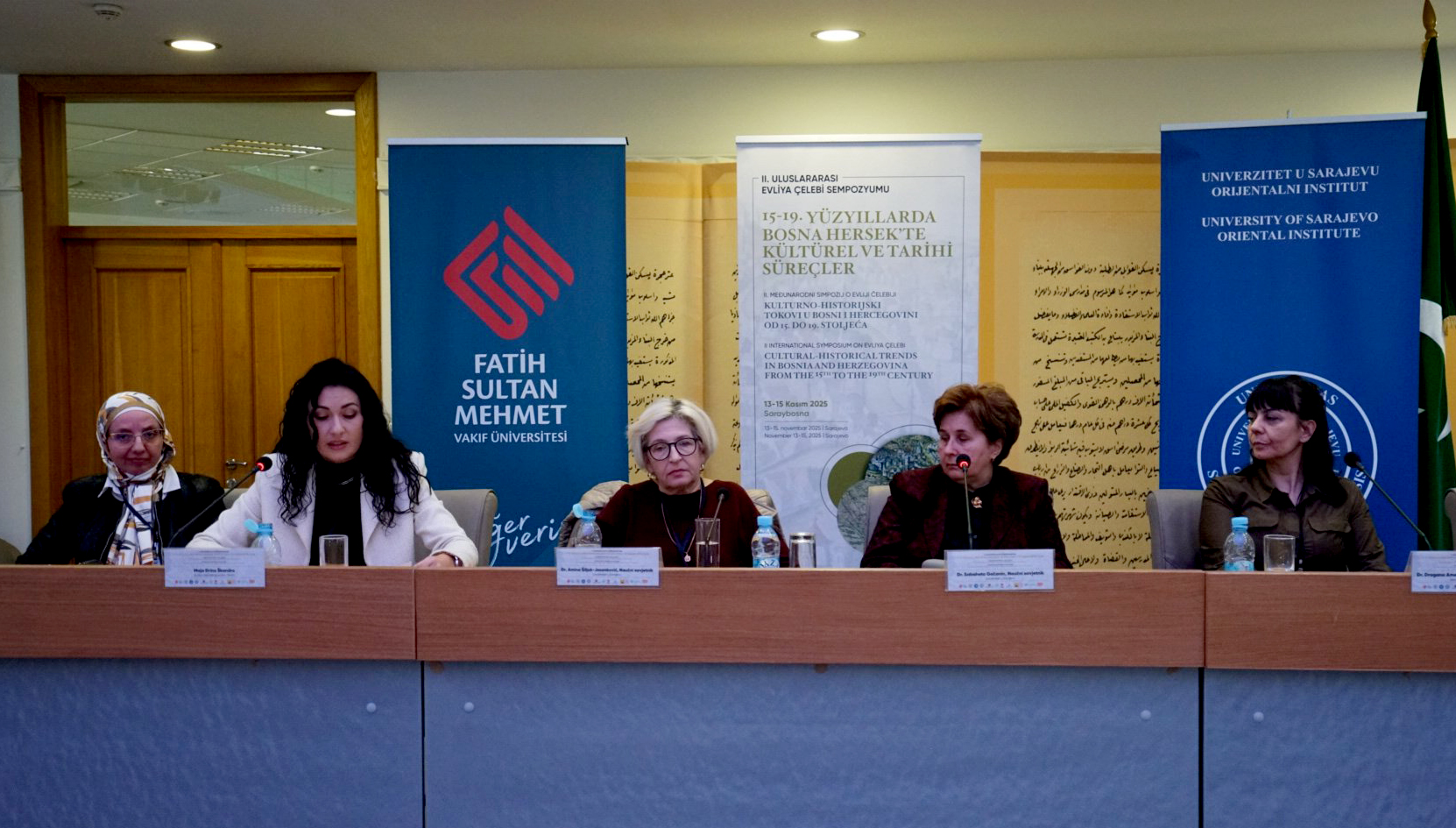
The two-day symposium consisted of four sessions on the first day—Ottoman Bosnia: Political and Military History; Evliya Çelebi and Bosnia and Herzegovina; Seyahatnameler (Books of Travel) and Literary Texts—and four sessions on the second day titled Cultural and Material Heritage in Bosnia and Herzegovina; Ottoman Bosnia: Institutions and Society; Economy and Society; Bosnia and Herzegovina and Historiography. More than 50 scholars and experts from Türkiye, Cyprus, Macedonia, Austria, Croatia, Italy, and Serbia participated. TÜBA Full Member Prof. Dr. Feridun Emecen served on the Scientific Committee, and Assoc. Prof. Dr. İlhami Danış, editor and project coordinator of TÜBA’s publication “Local History of the National Struggle 1918–1923,” served on the Organizing Committee.
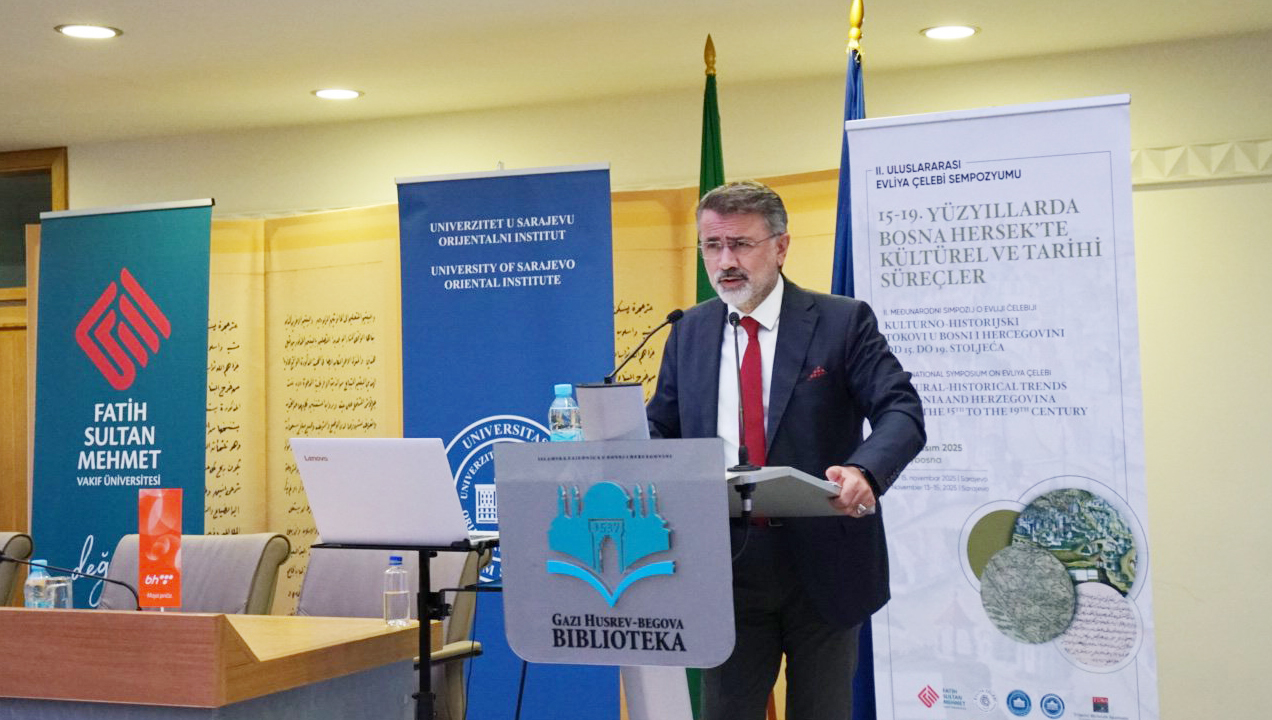
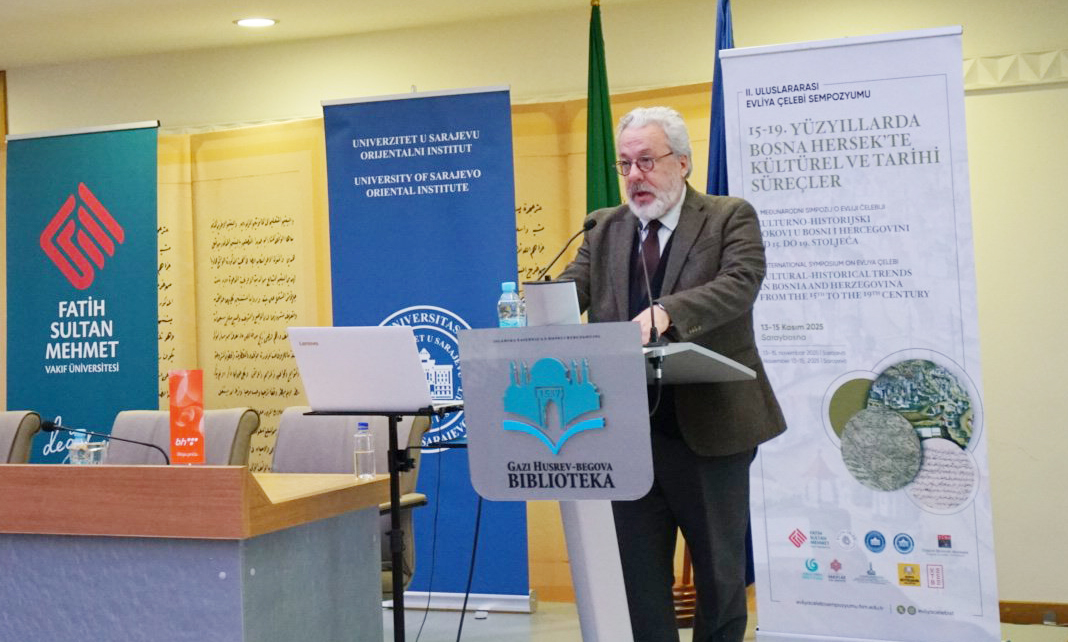
The symposium opened with speeches by TÜBA President Prof. Dr. Muzaffer Şeker, IRCICA Director General Prof. Dr. Mahmud Erol Kılıç, FSMVÜ Rector Prof. Dr. Nevzat Şimşek, University of Sarajevo Rector Prof. Dr. Tarik Zaimović, FSMVÜ Evliya Çelebi Studies Center Director Prof. Dr. Musa Duman, and Dr. Aladin Husić, Director of the Oriental Institute. It continued with a keynote lecture titled “The Historiography of Ottoman Rule in the Balkans and Bosnia” by Sabancı University Emeritus Prof. Dr. Fikret Adanır.
Seyahatname (Book of Travels) Sheds Light on Many Disciplines
In his opening speech, Prof. Dr. Muzaffer Şeker stated that the theme of the symposium evokes historical richness and a deep shared memory. He emphasized that for centuries the region had been a meeting point of different cultures and that cities had become centers of civilization. Şeker noted that the symposium offered a strong opportunity to rethink this rich heritage and carry it into the future. He described Evliya Çelebi—who referred to himself as “seyyâh-ı âlem ve nedîm-i âdem”—as a great traveler who recorded what he observed. He explained that the Seyahatname is not merely a travel narrative; it is a unique work that records the order of cities, the pulse of trade, and the scenes in which education and art come to life. He underlined that this work has inspired many disciplines—from historians and art historians to sociologists and philologists—guiding and illuminating research.
Sarajevo, Hub of Wisdom
President Şeker emphasized that TÜBA values not only the preservation of knowledge but also its production through sound methods and its dissemination to society. He continued: “The first of our Academy’s three principles is a respectful language of history. Understanding the past requires a fair viewpoint supported by strong sources. An academic environment where different perspectives can be freely expressed strengthens both our ideas and our shared memory.
The second is a culture of collaboration and sharing. Scientific production today is no longer the responsibility of a single institution but of archives, libraries, and universities working together. Interinstitutional bridges make knowledge permanent. The third is accessibility. Making knowledge available in different languages and to different communities enhances the credibility of science. Bringing Evliya Çelebi’s legacy to new generations is possible only through open access, digital platforms, and clear expression.” He added that the papers to be presented cover a wide range—from urbanization and architecture to religious life and manuscript culture. This diversity, he said, offers the opportunity to view history not one-dimensionally but holistically. The period from the 15th to the 19th centuries is a history not only of change but also of continuity. The details in the margins of the Seyahatname provide invaluable clues for understanding that continuity.
Referring to Sarajevo as an ancient center of culture and learning, a place where the past meets the future, President Şeker praised the 75-year legacy of the Oriental Institute as a remarkable example of how this heritage has been carefully preserved. He added that the curiosity and dedication of the young researchers attending the symposium would write new chapters of this story. He emphasized the importance of the “curiosity” and “measure” that Evliya Çelebi left as a legacy. Curiosity that seeks to understand what is seen, and measure that carefully chooses every word, he said, are of great value. He concluded by saying: “Let us keep these two values alive in our discussions today. May our curiosity remain vibrant, and our measure remain sound.”