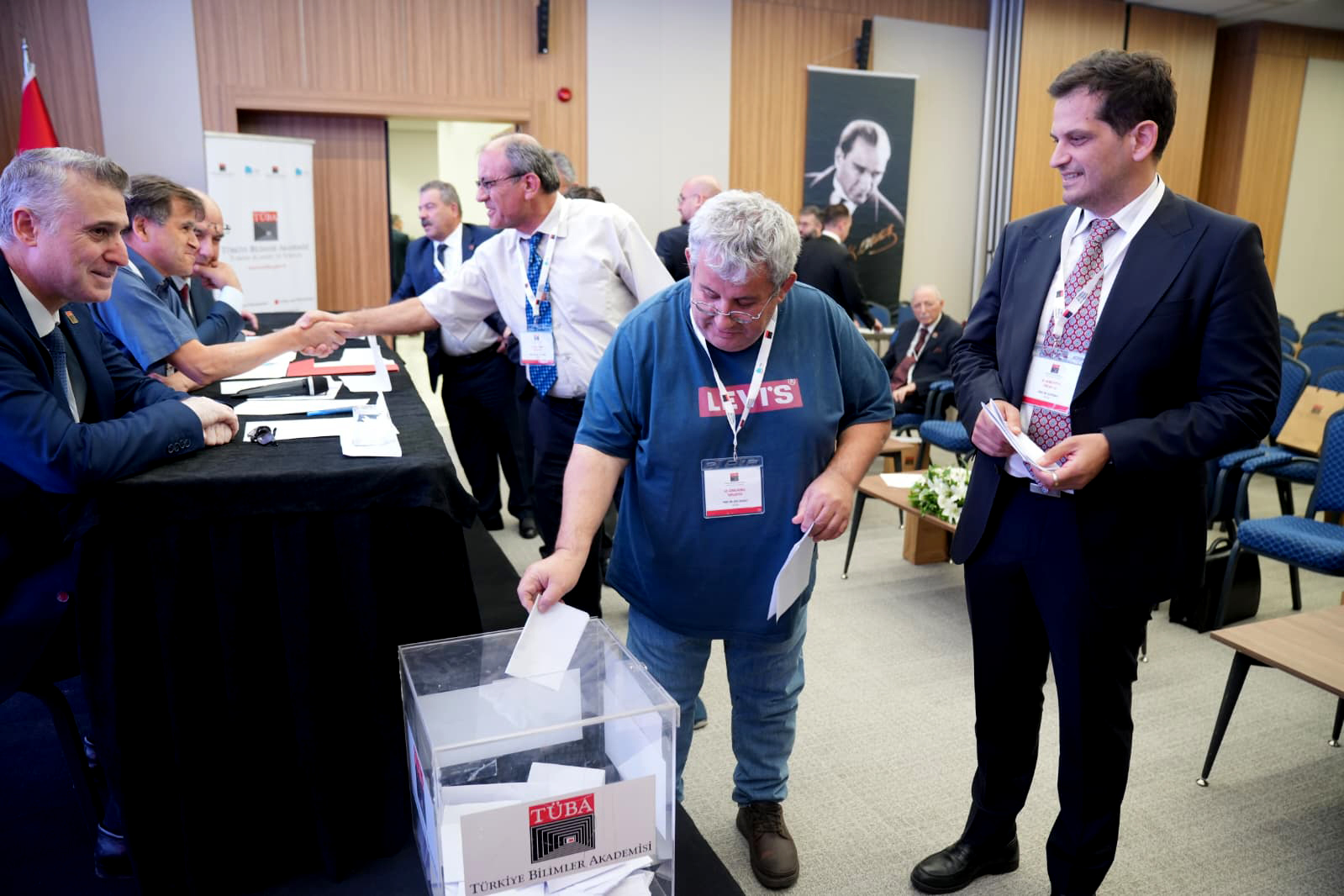


New Members Elected at TÜBA’s 63rd General Assembly
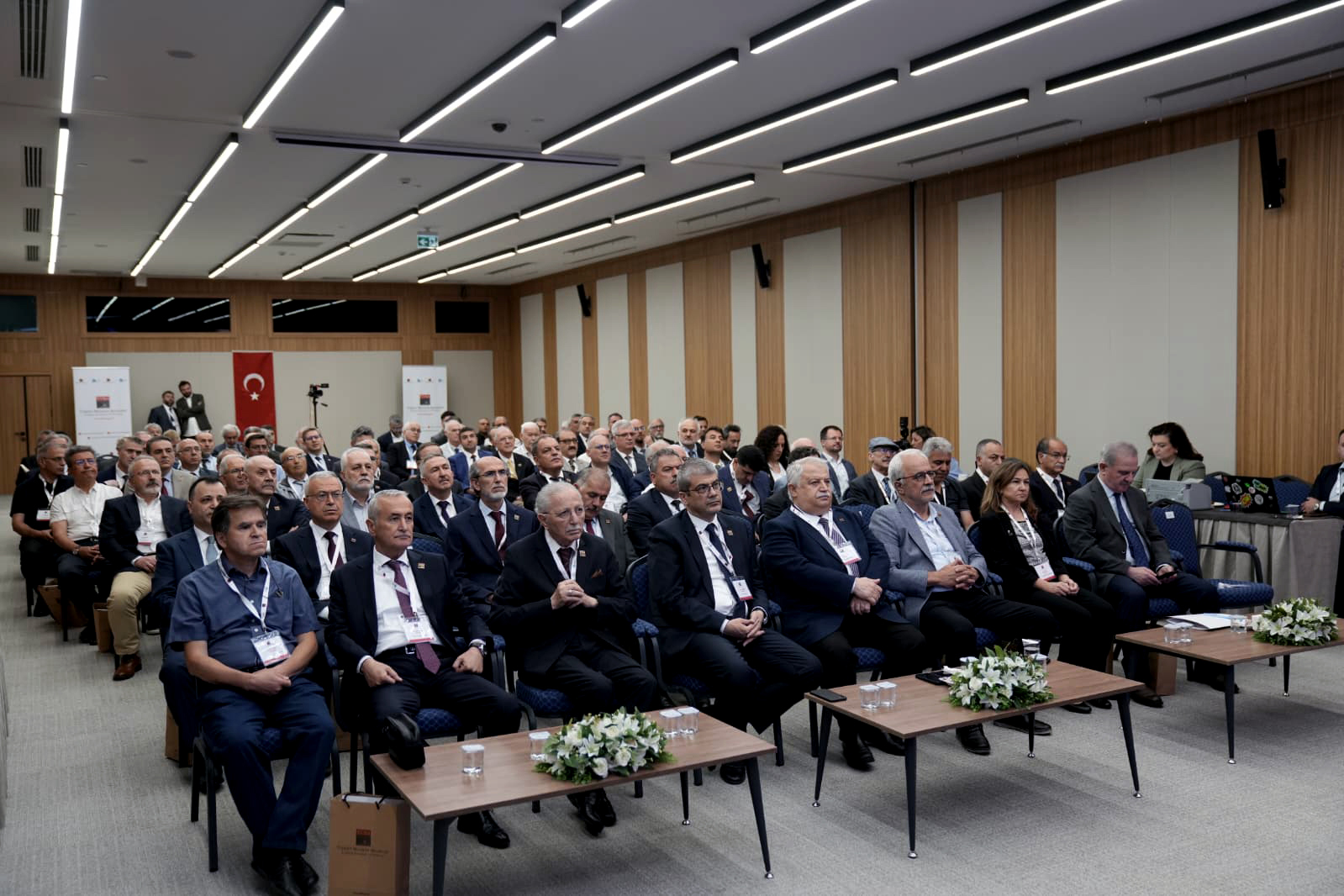
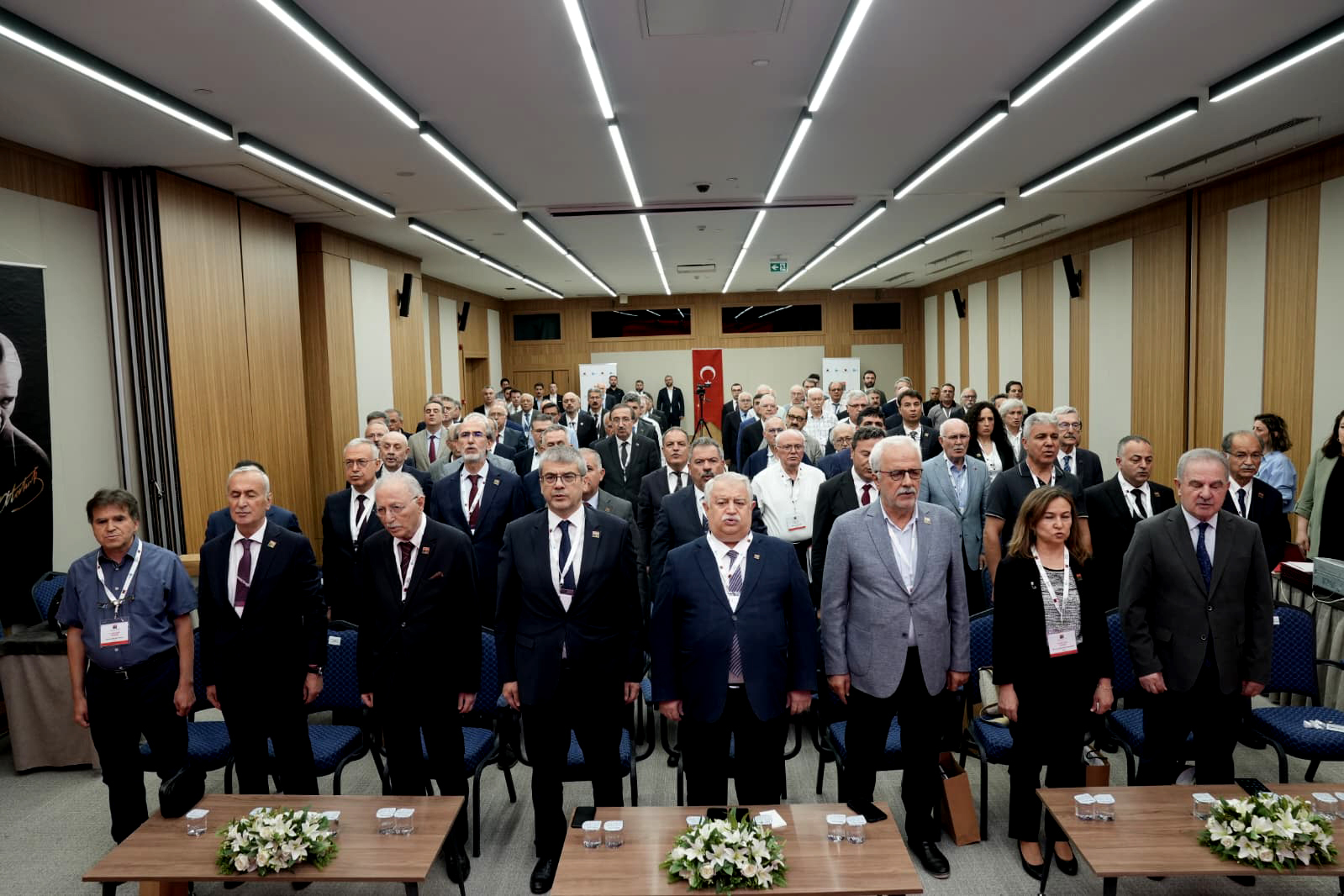
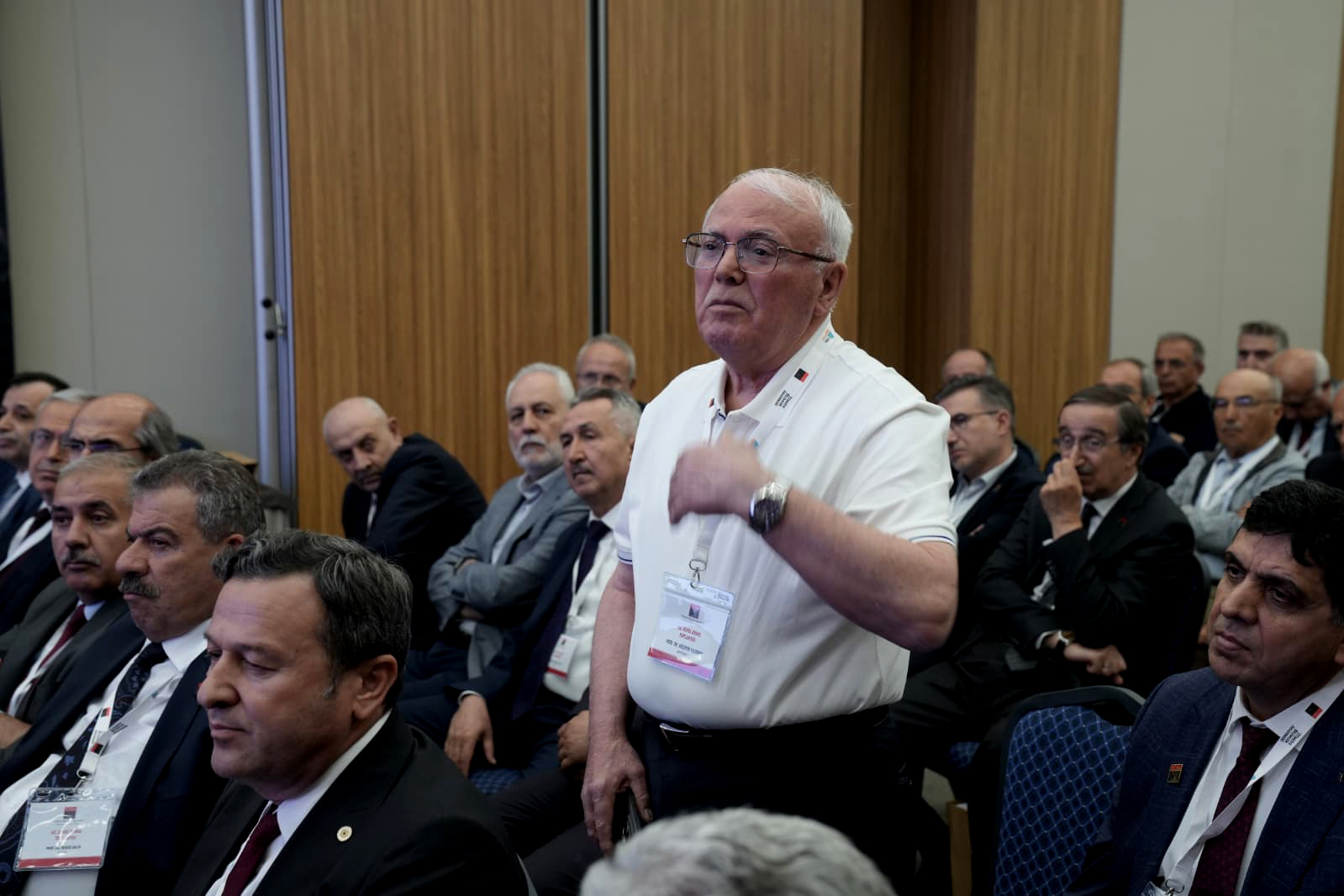
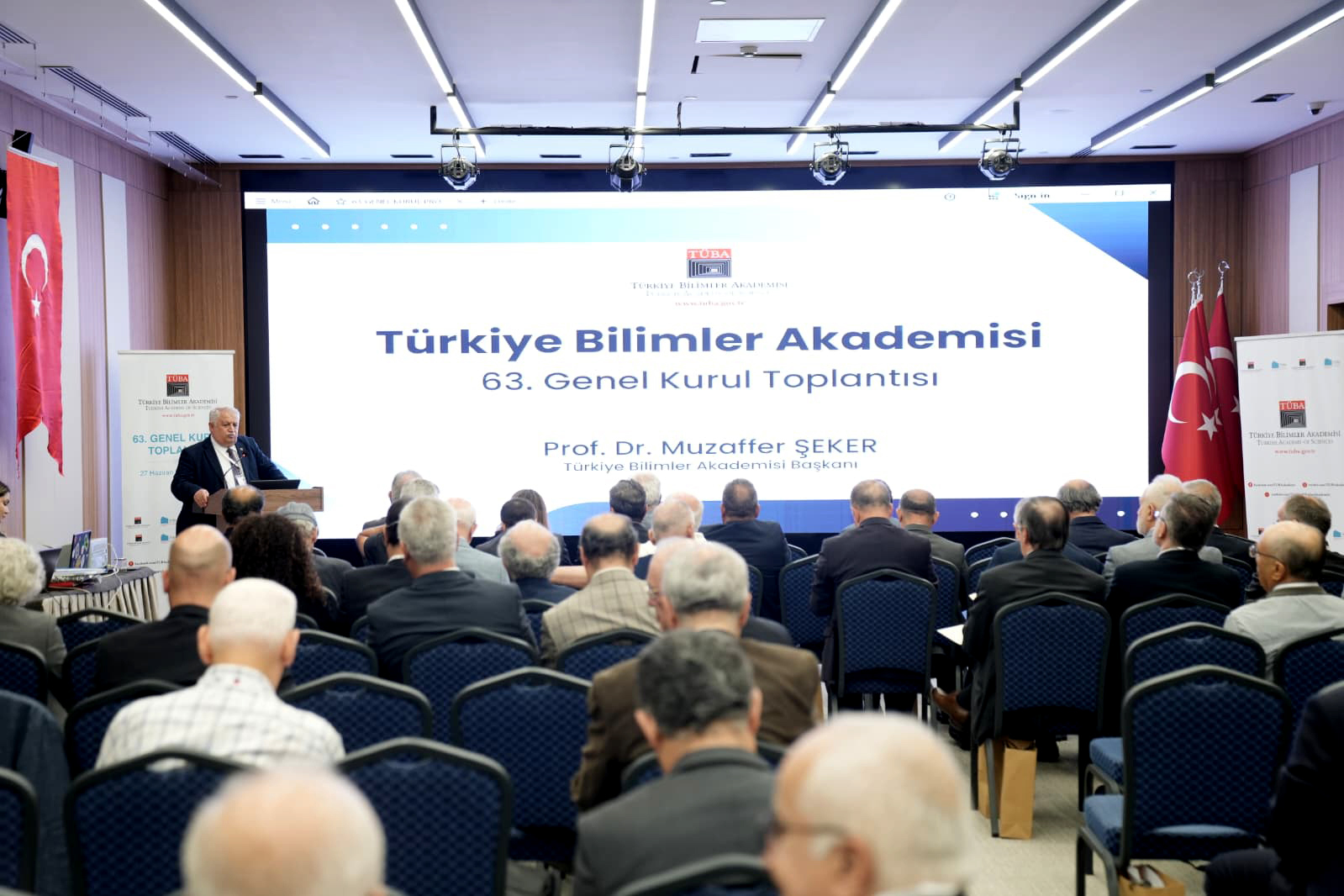
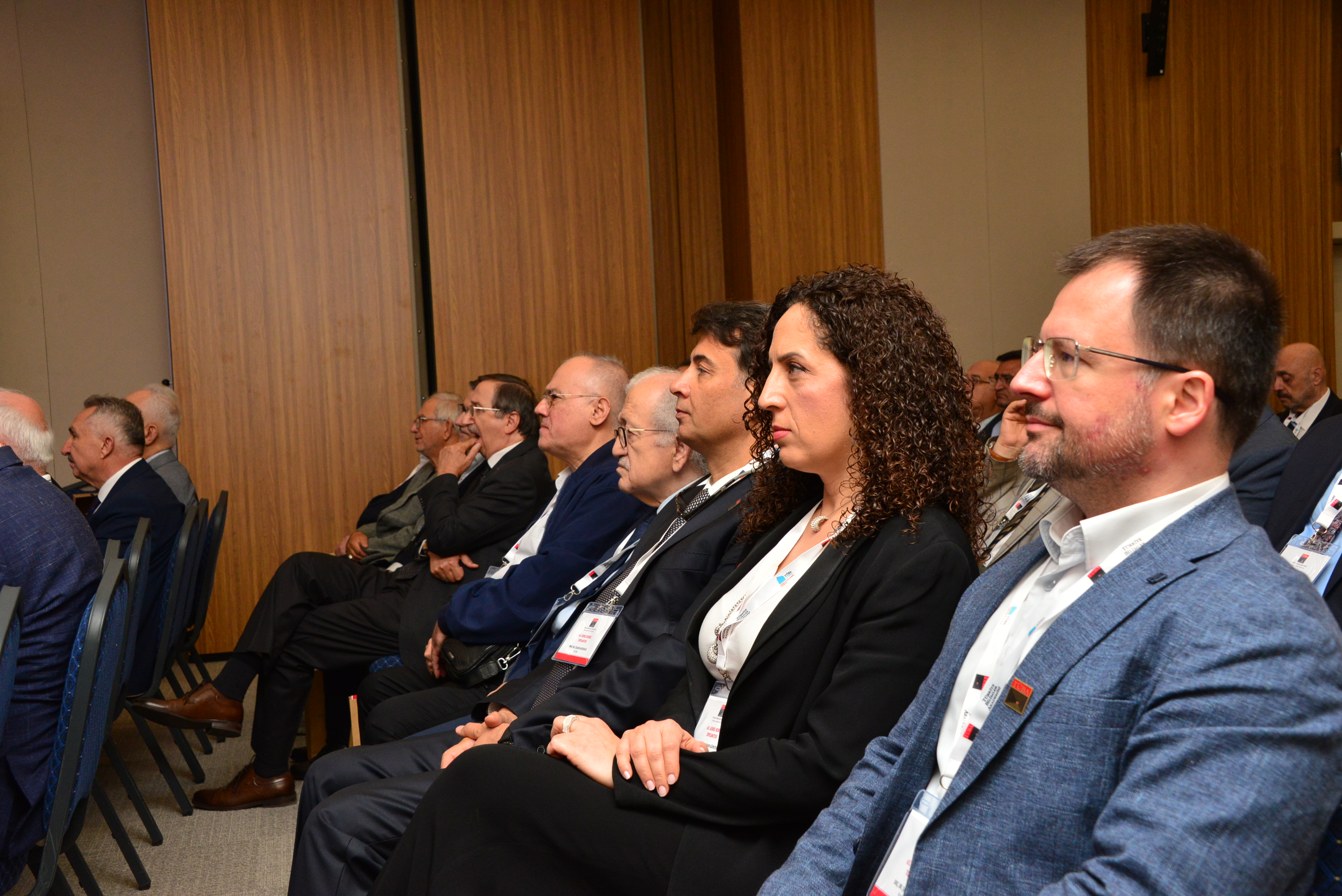
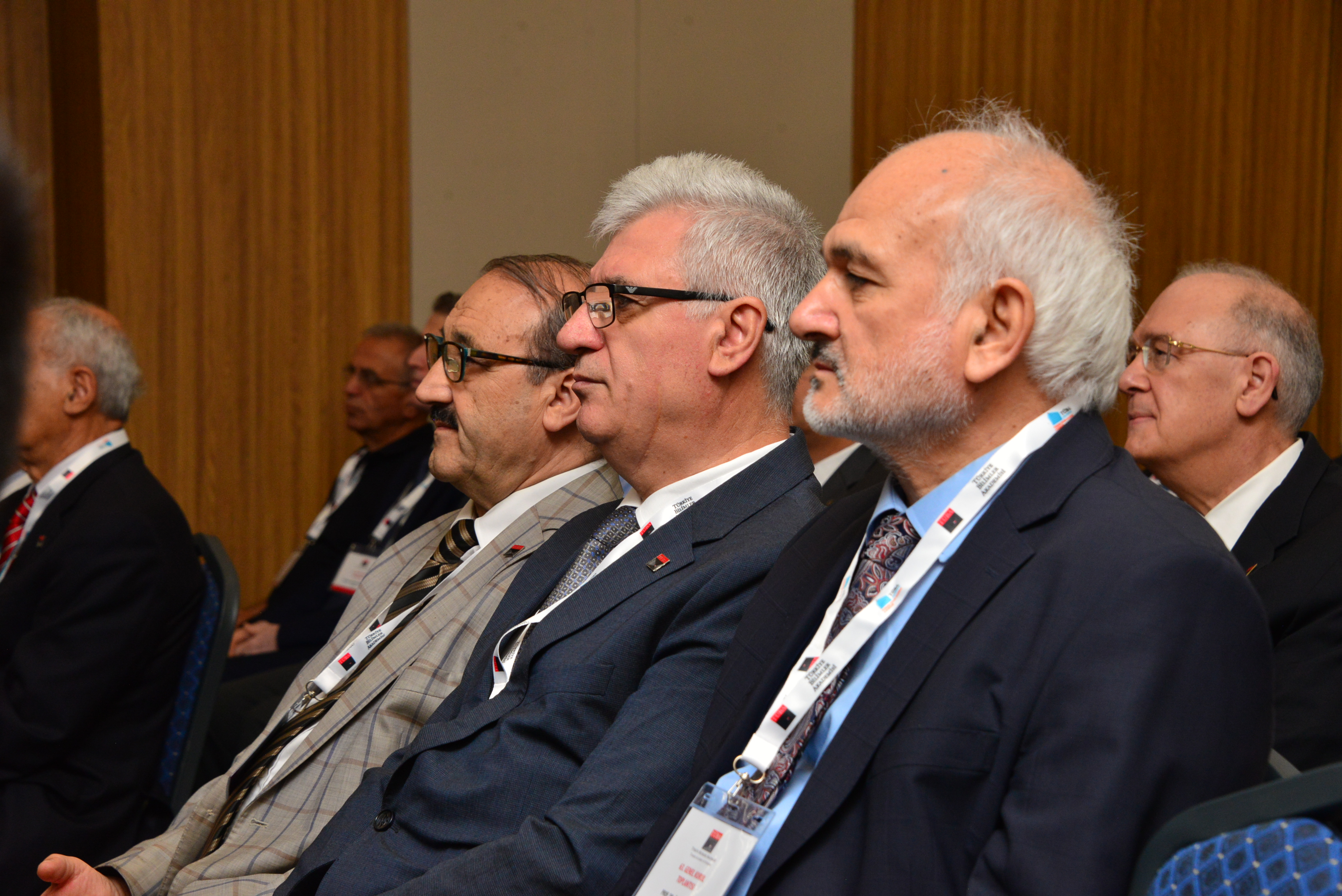
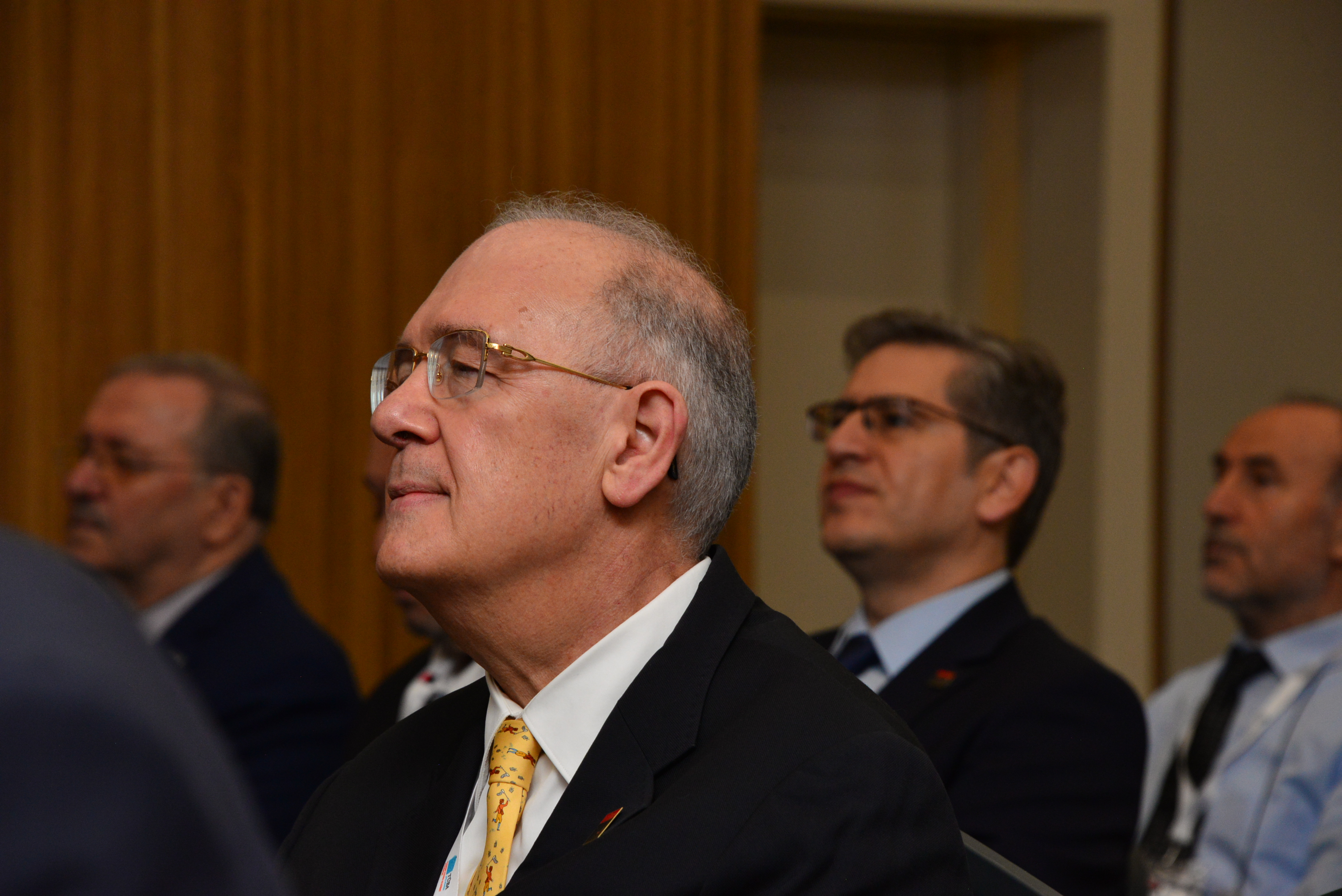
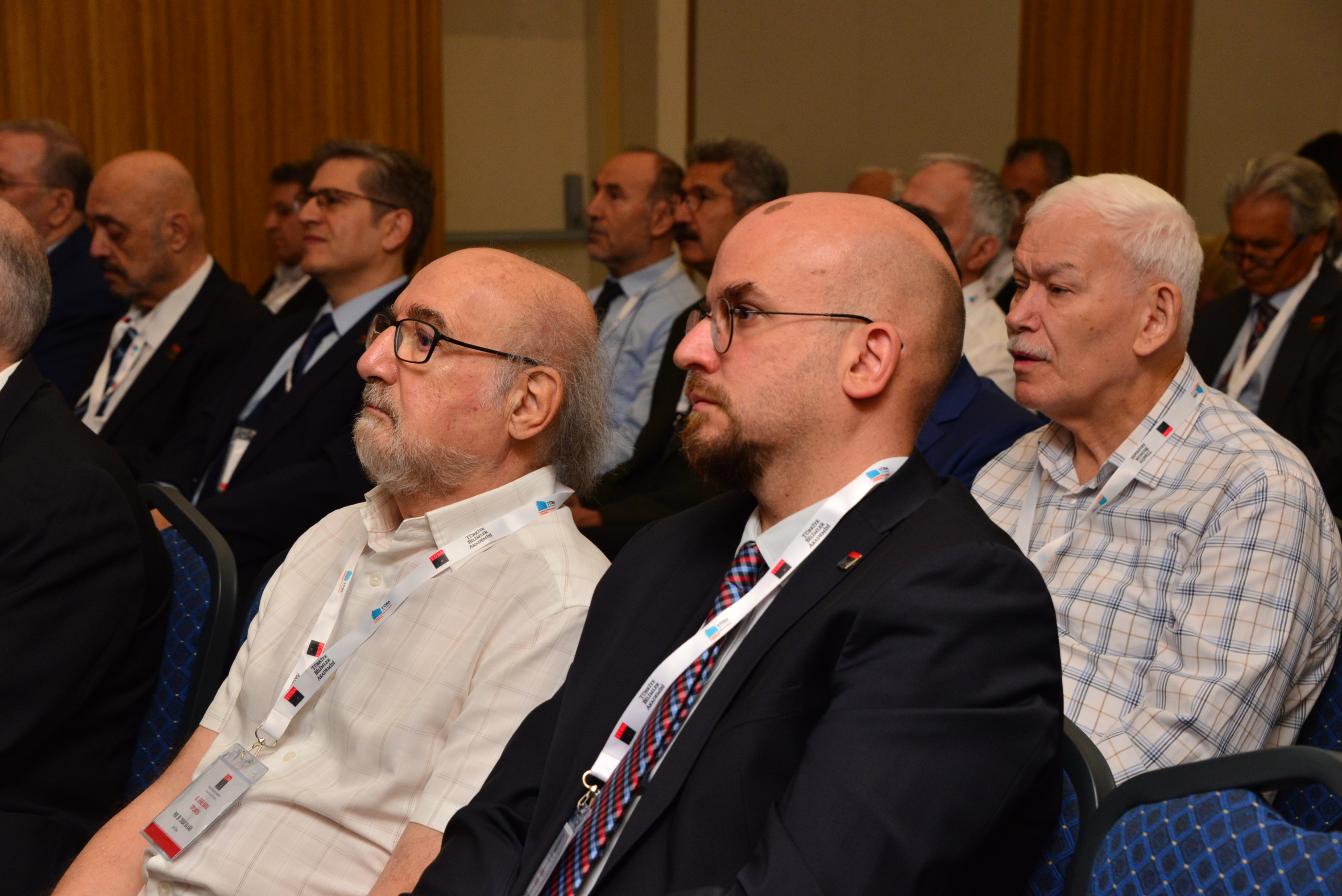
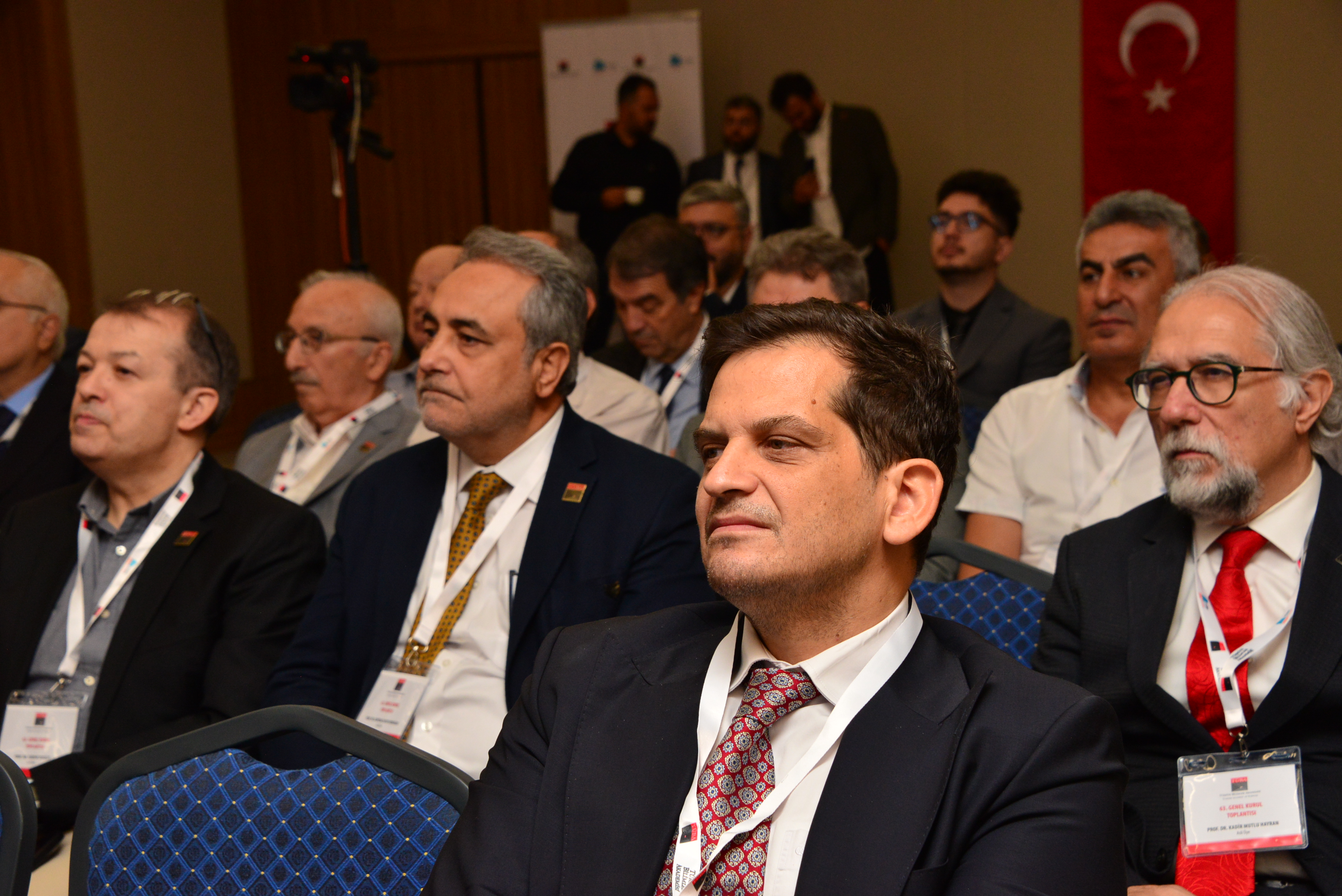
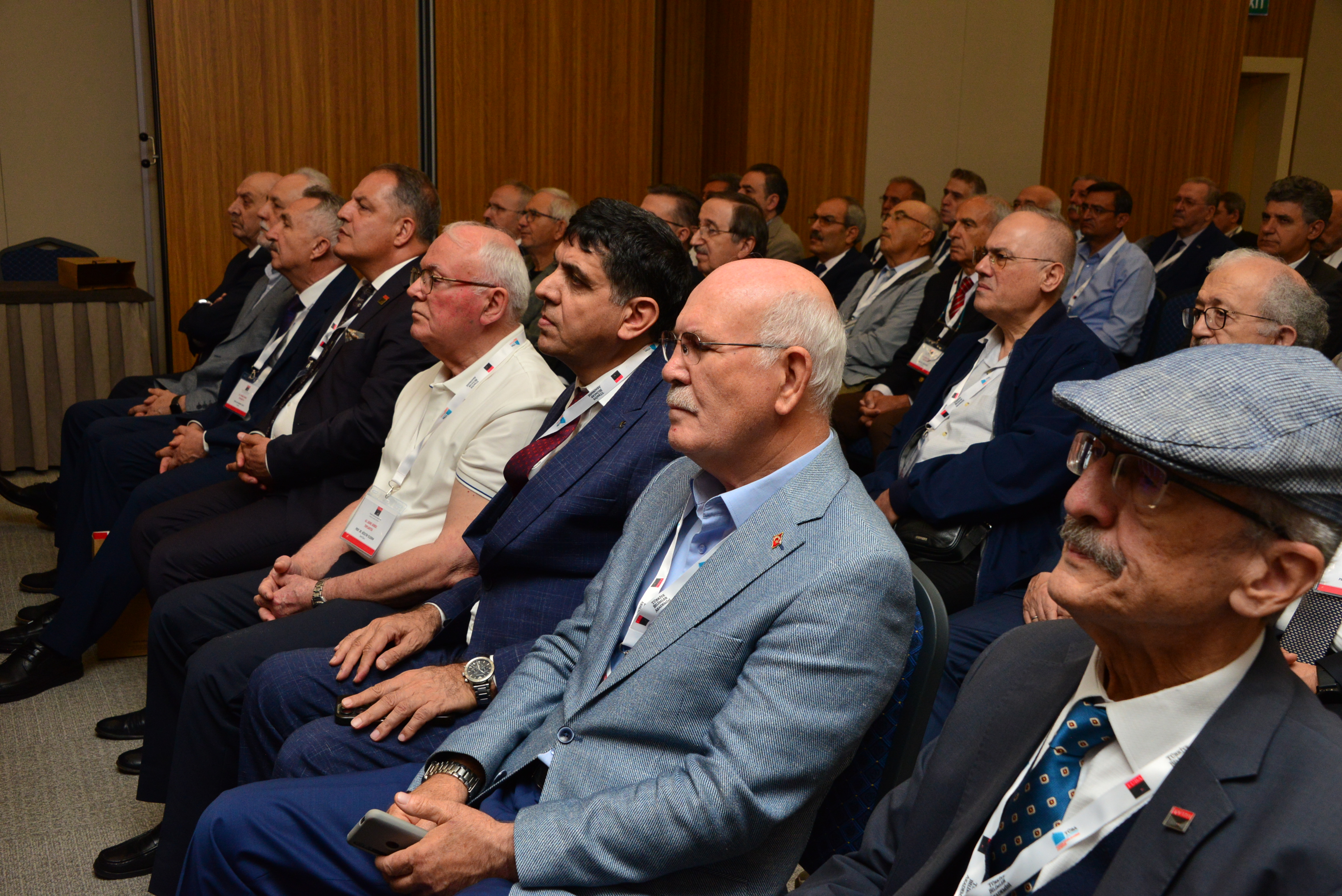
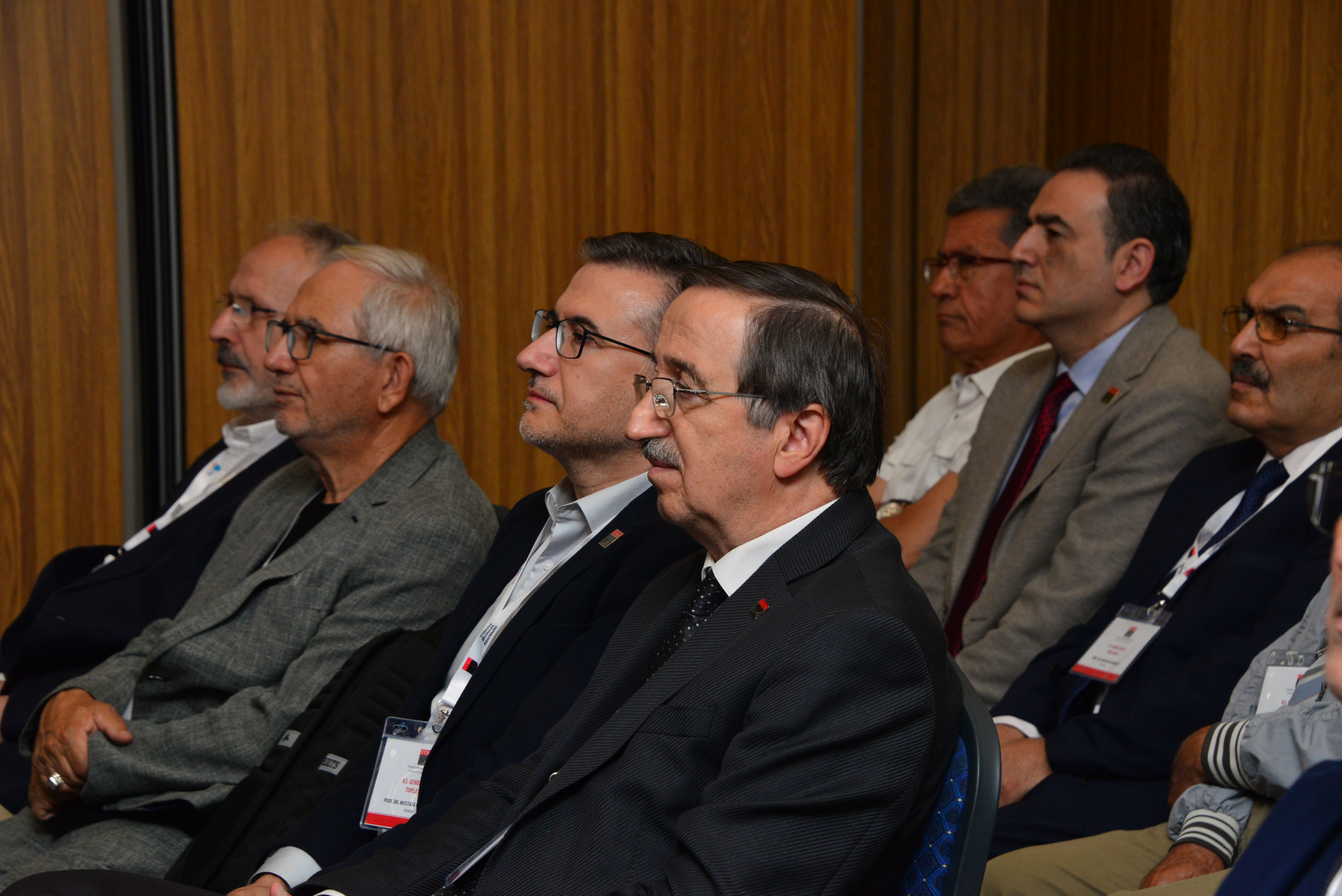
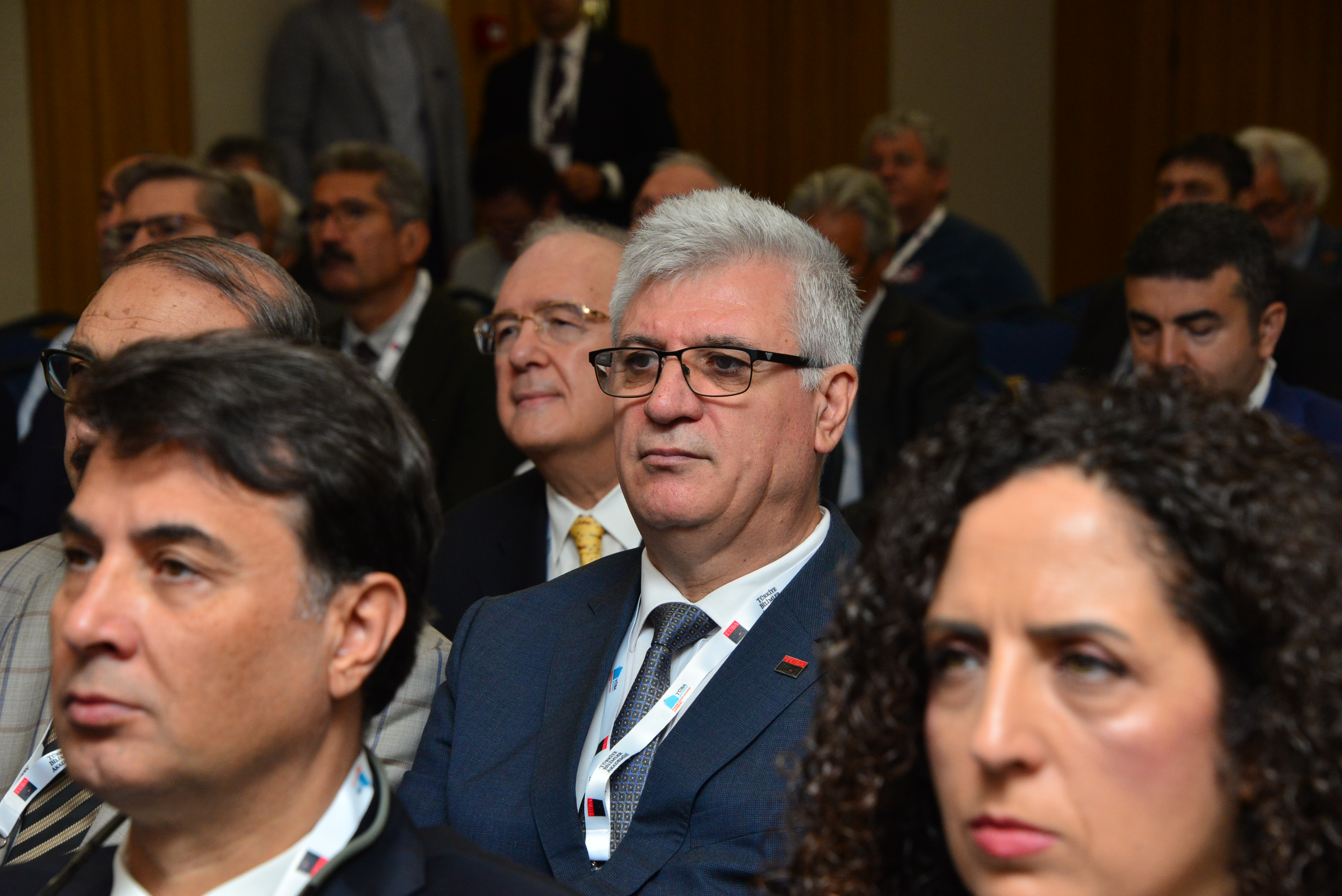
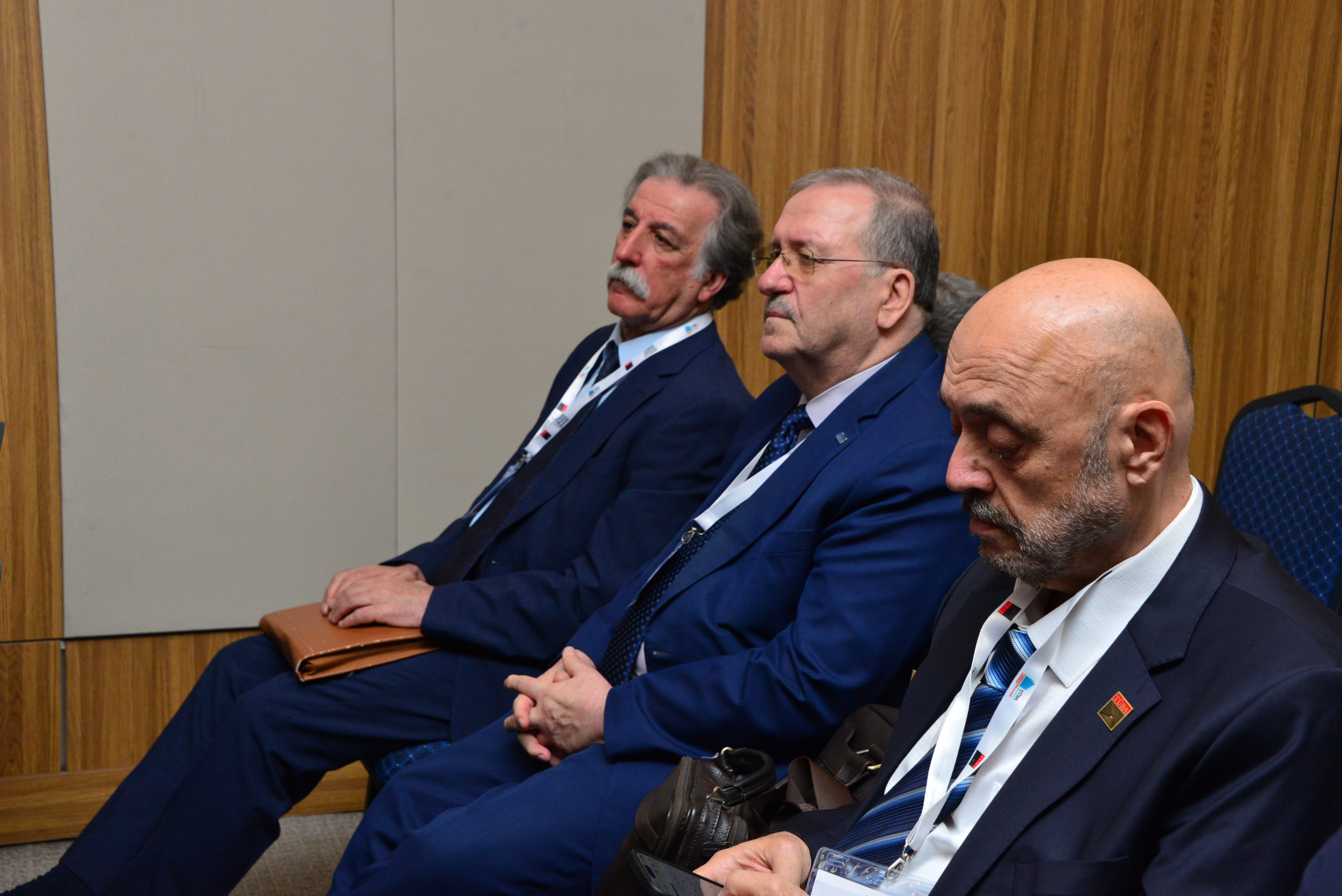
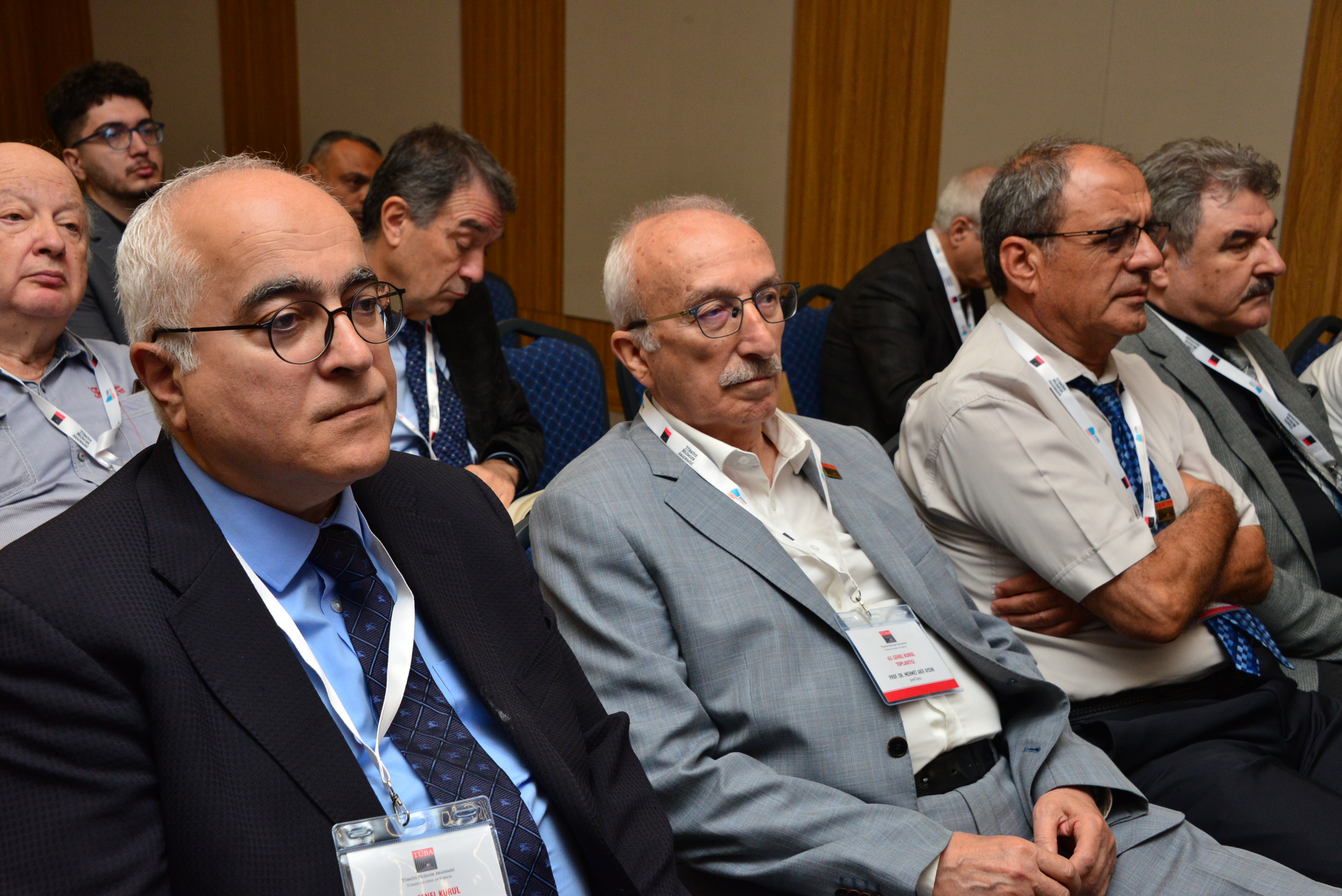
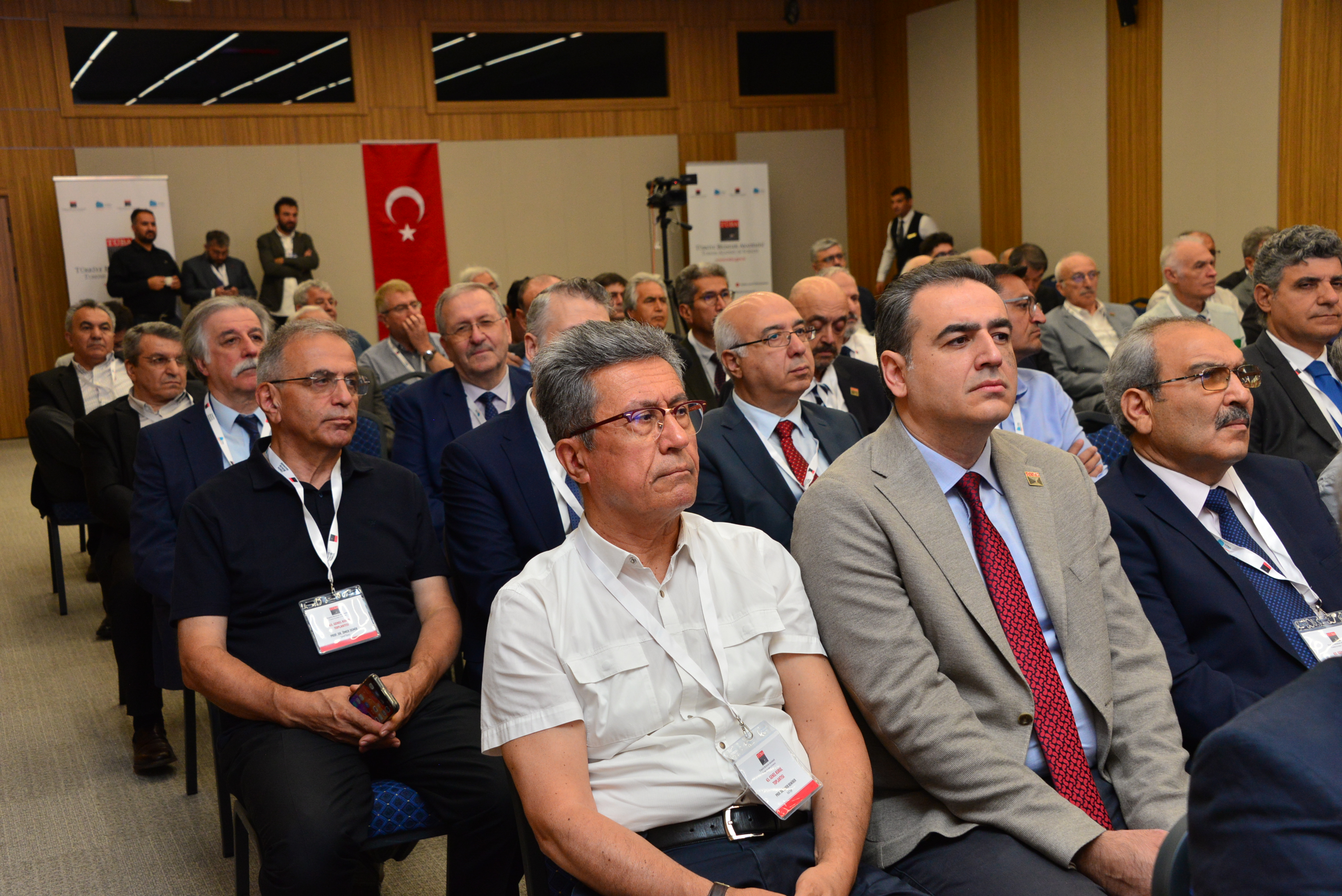
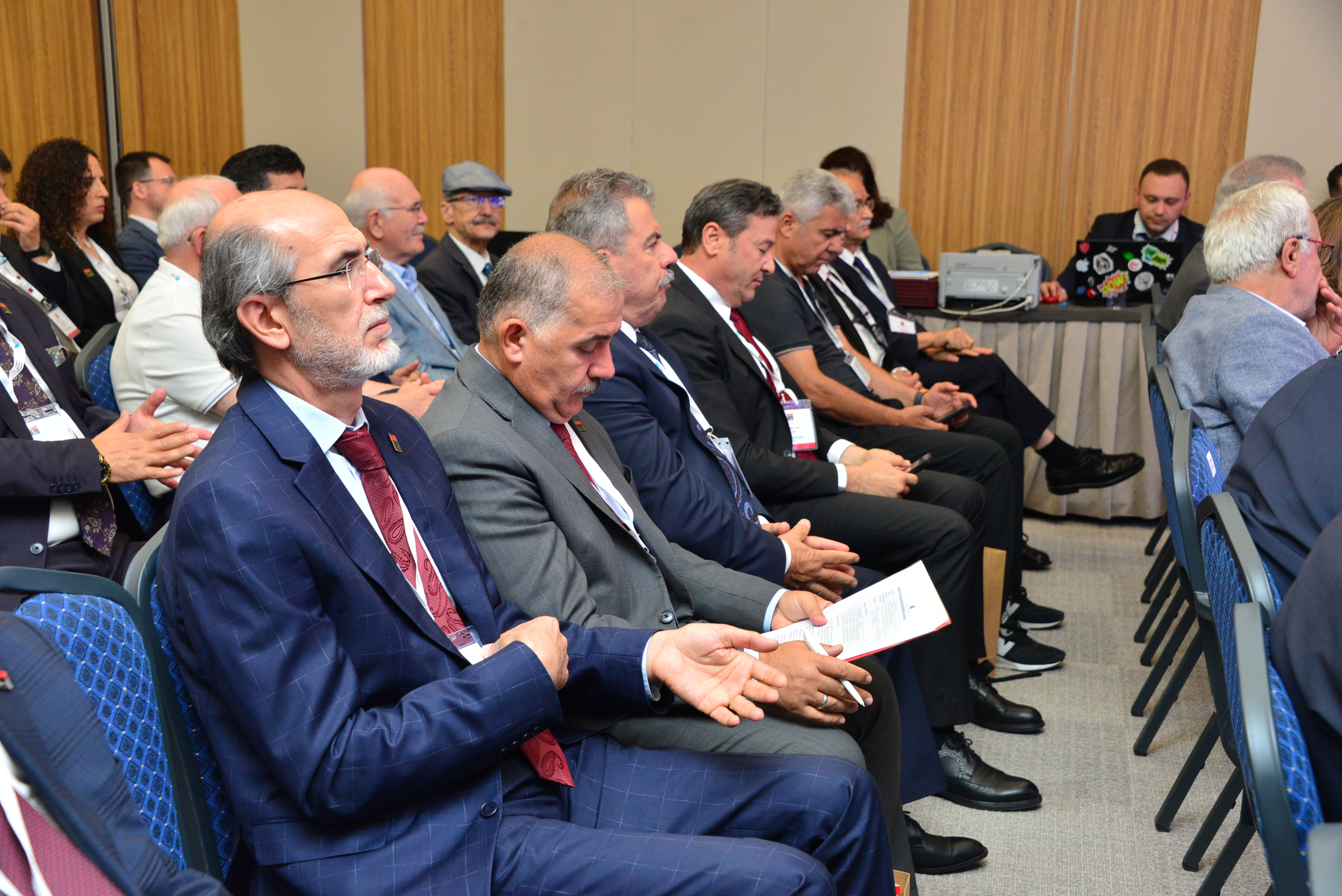
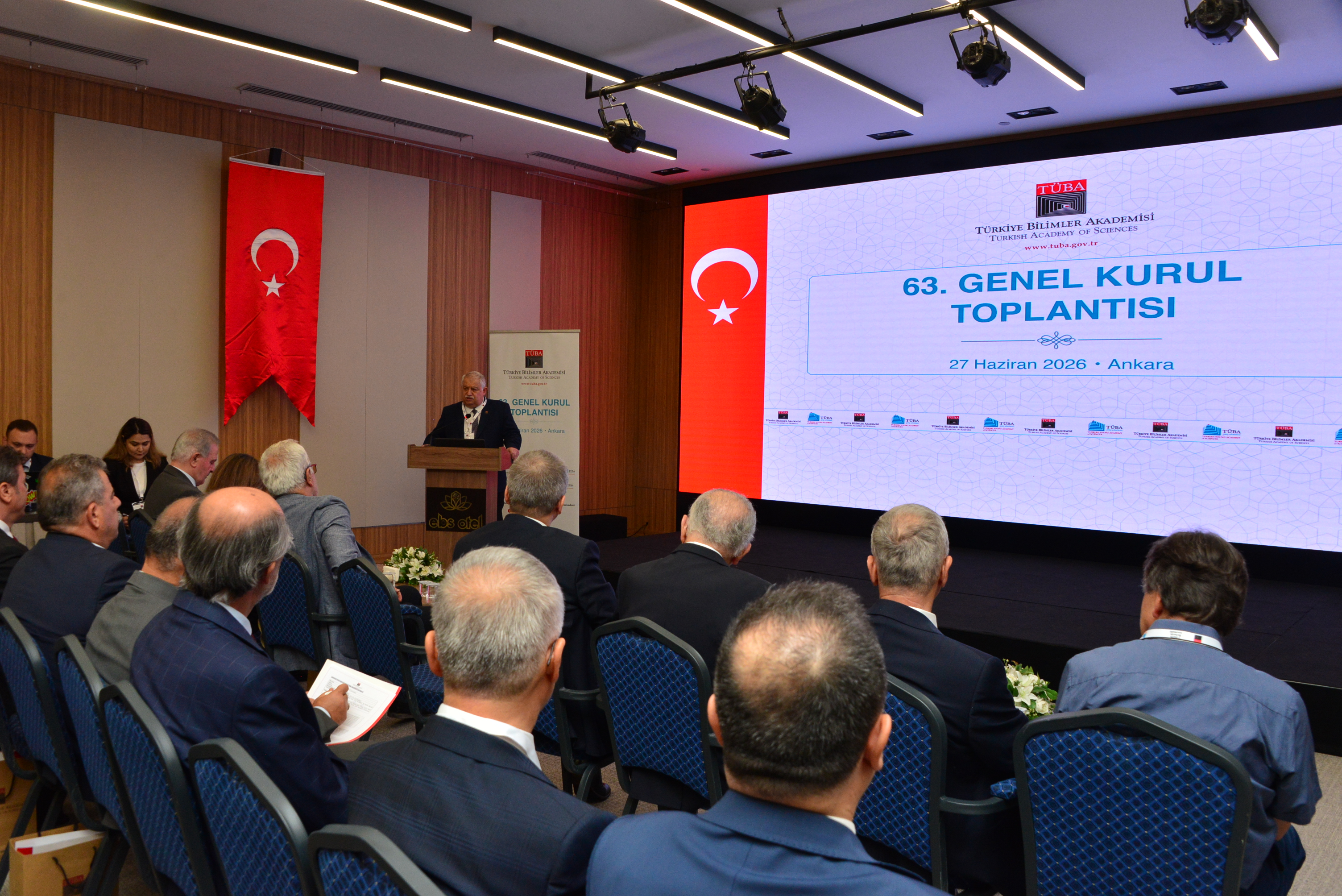
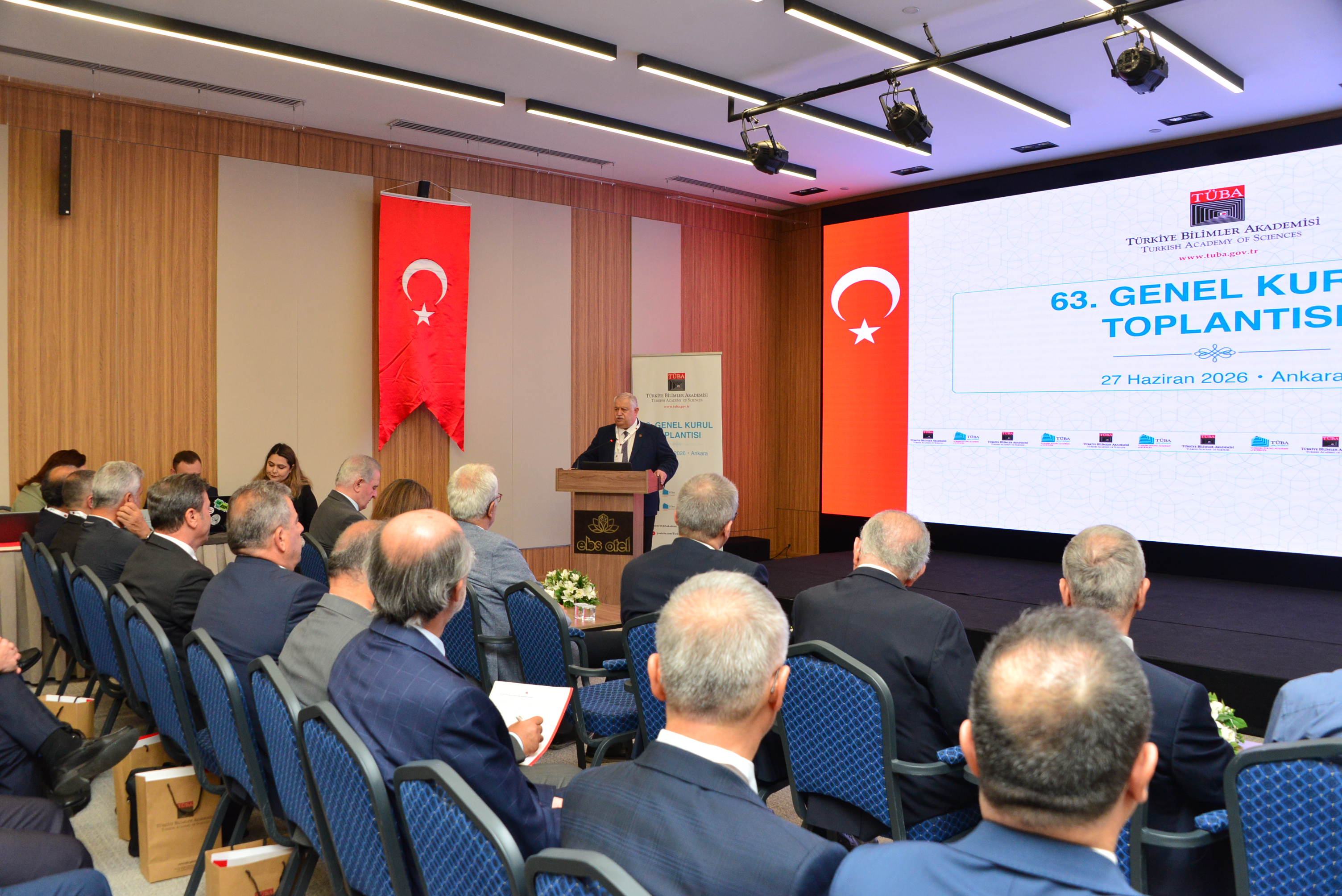
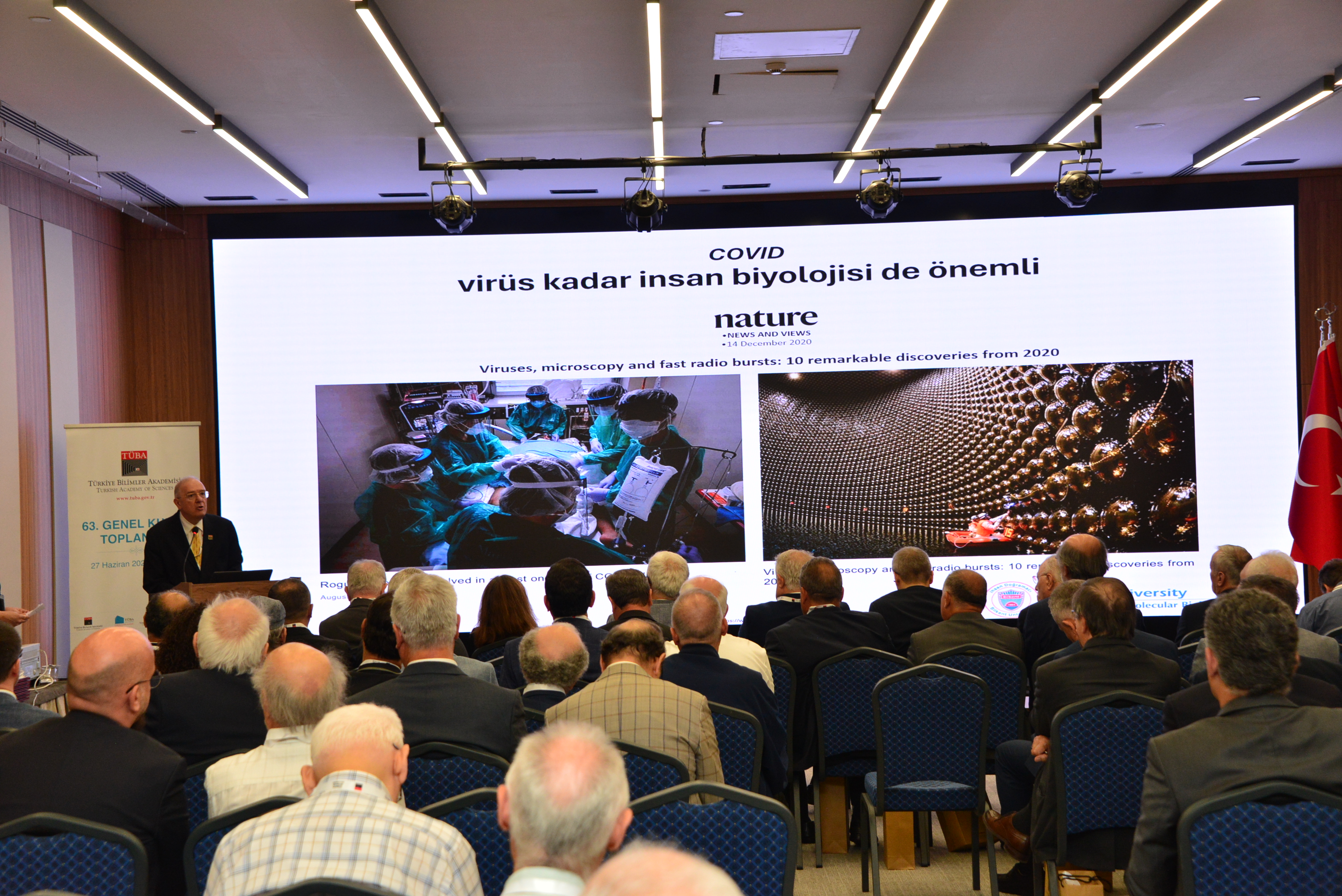
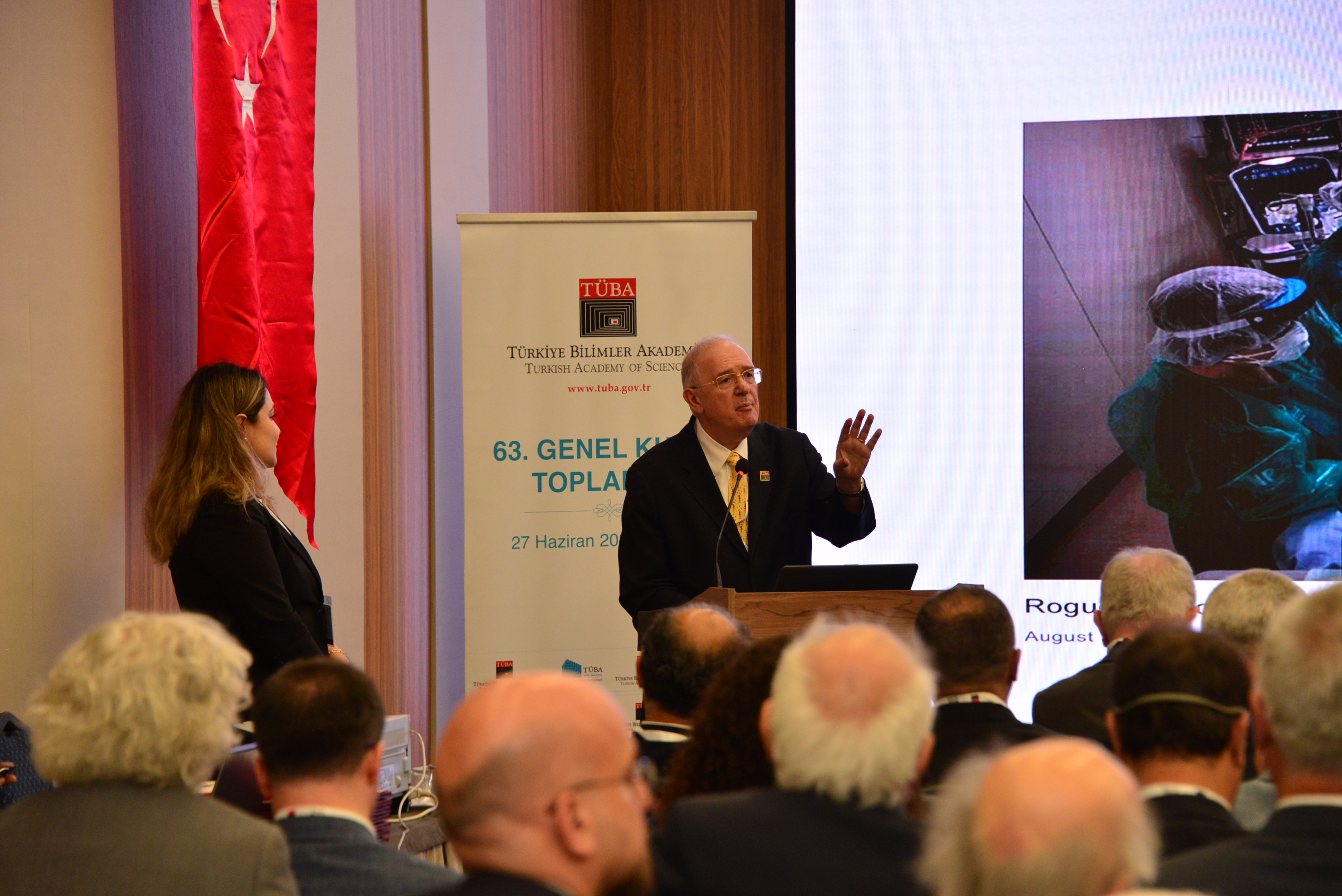
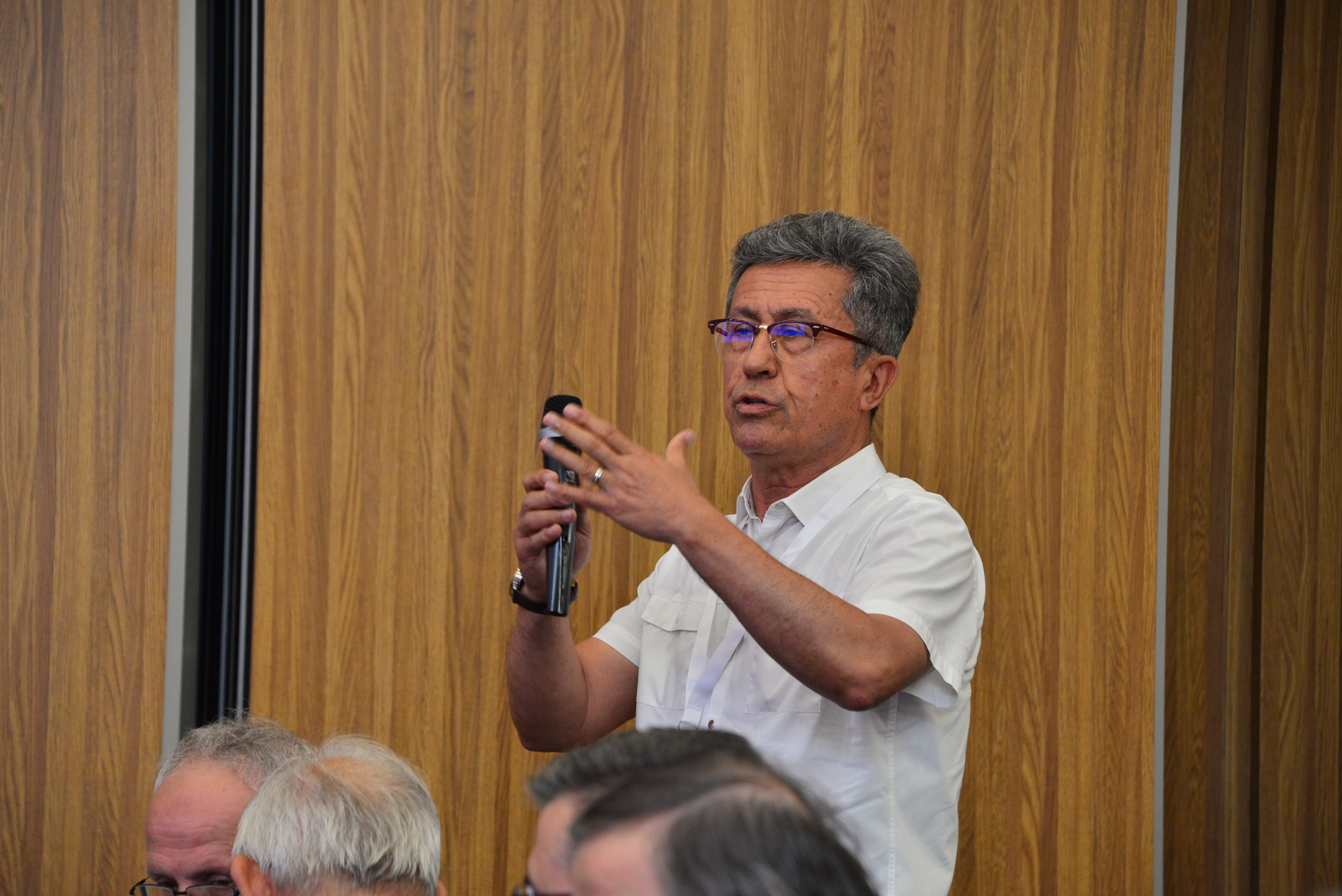
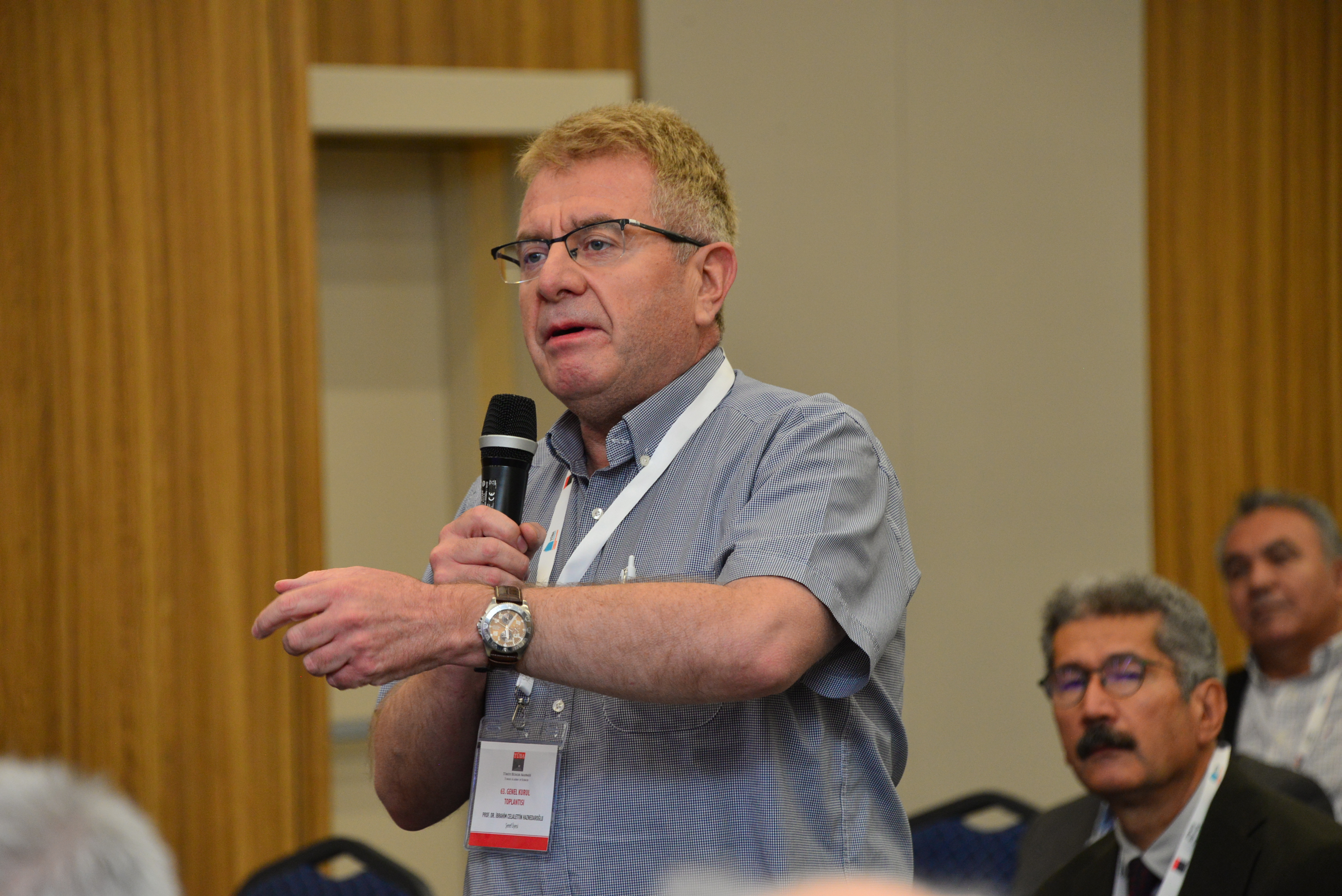
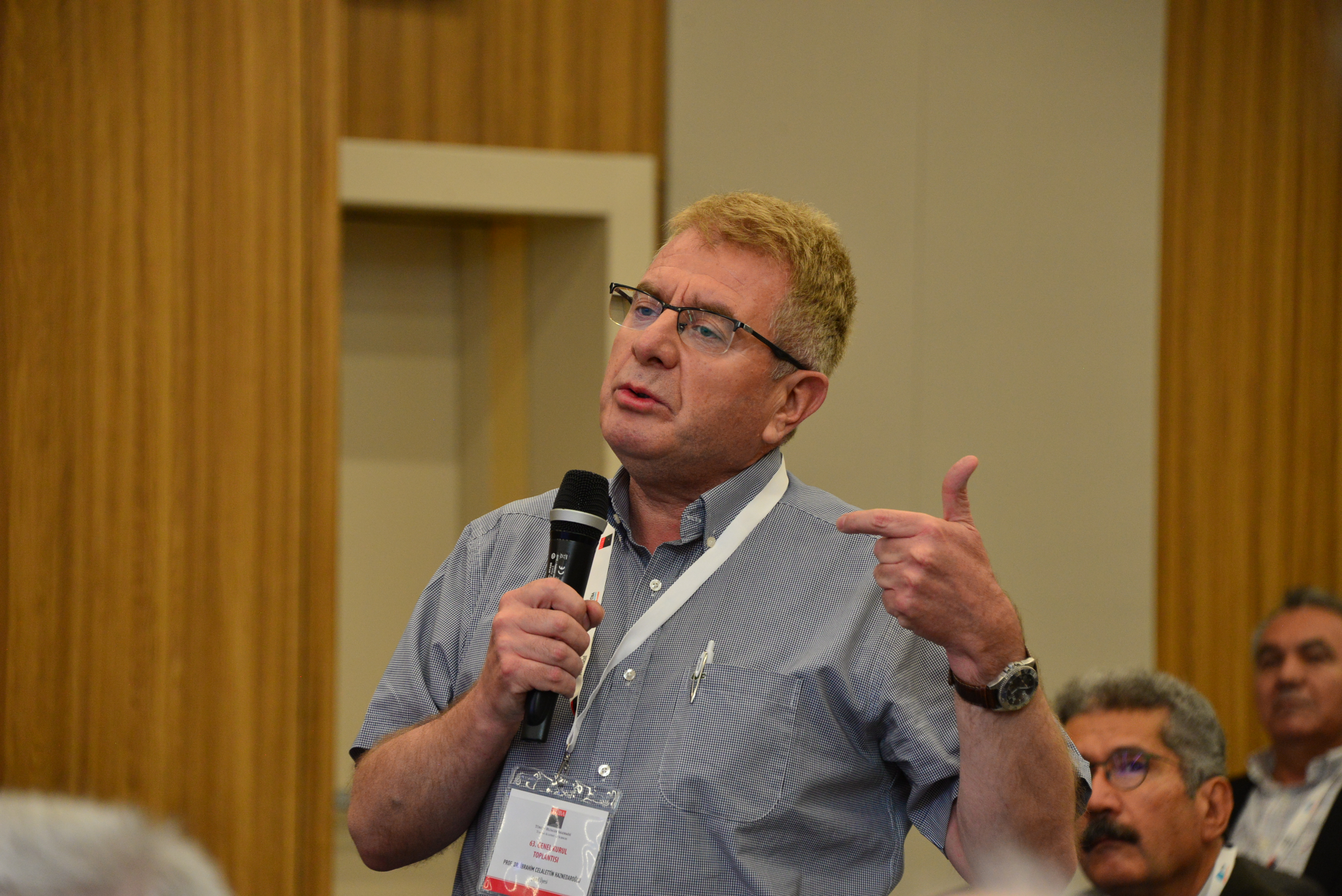
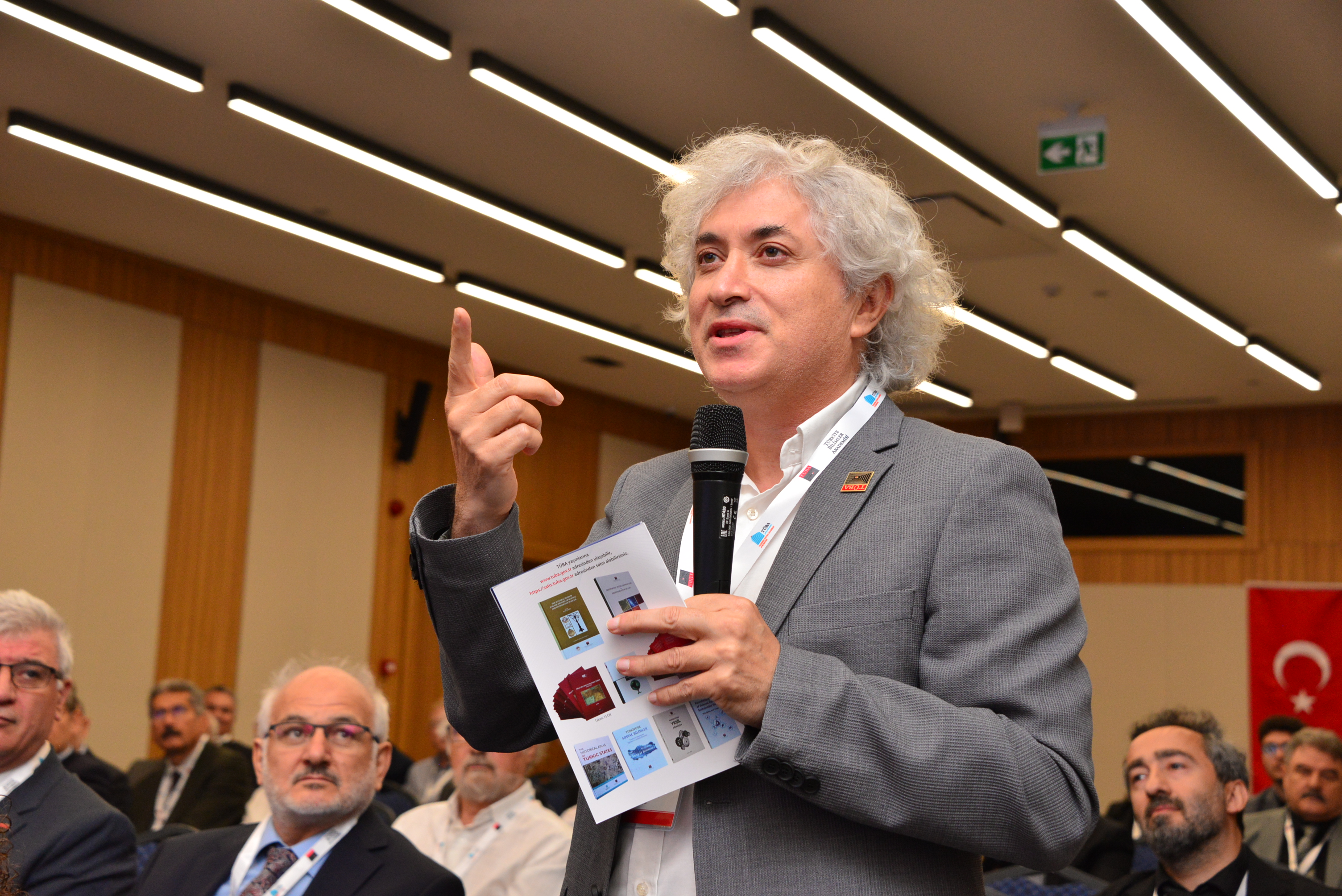
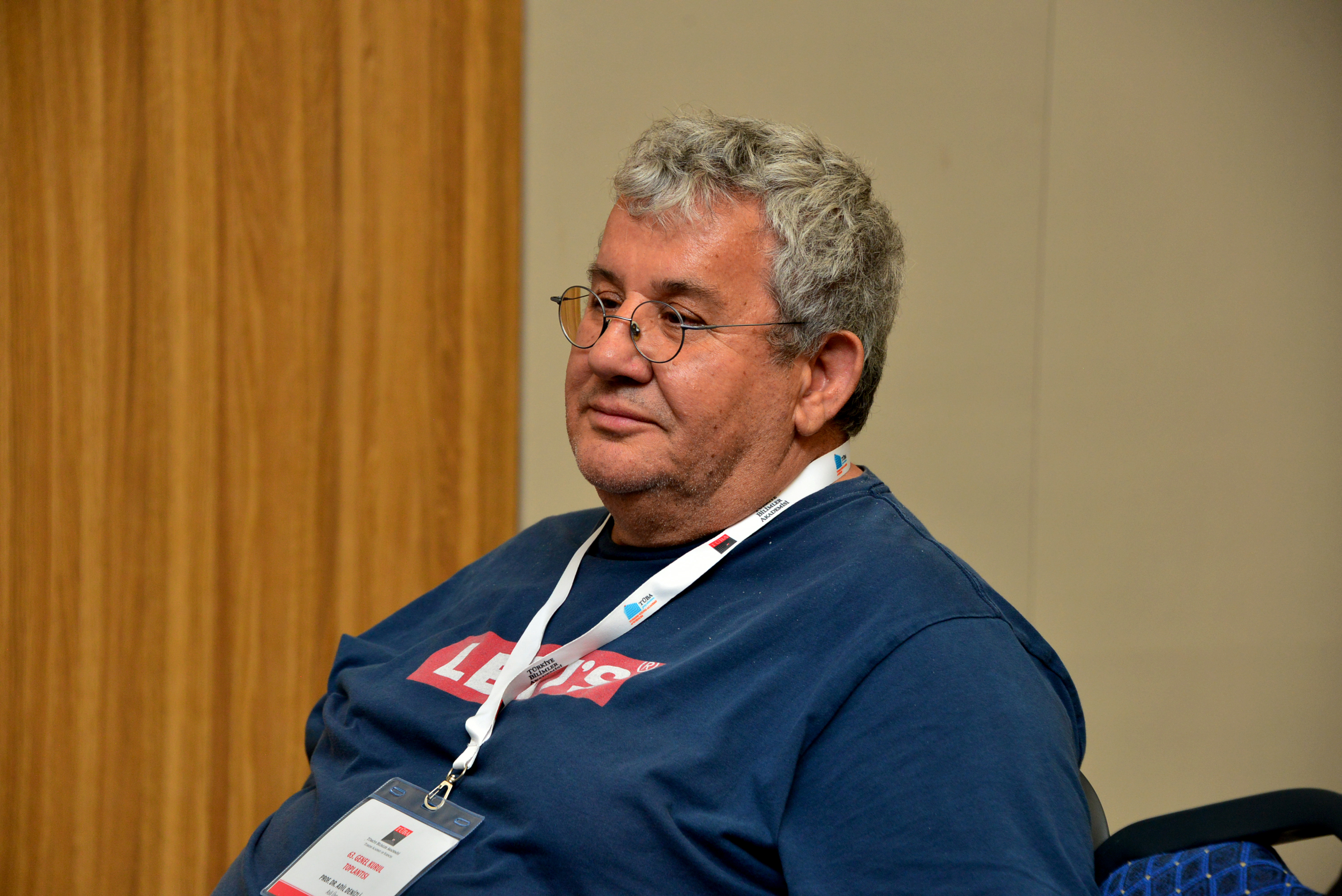
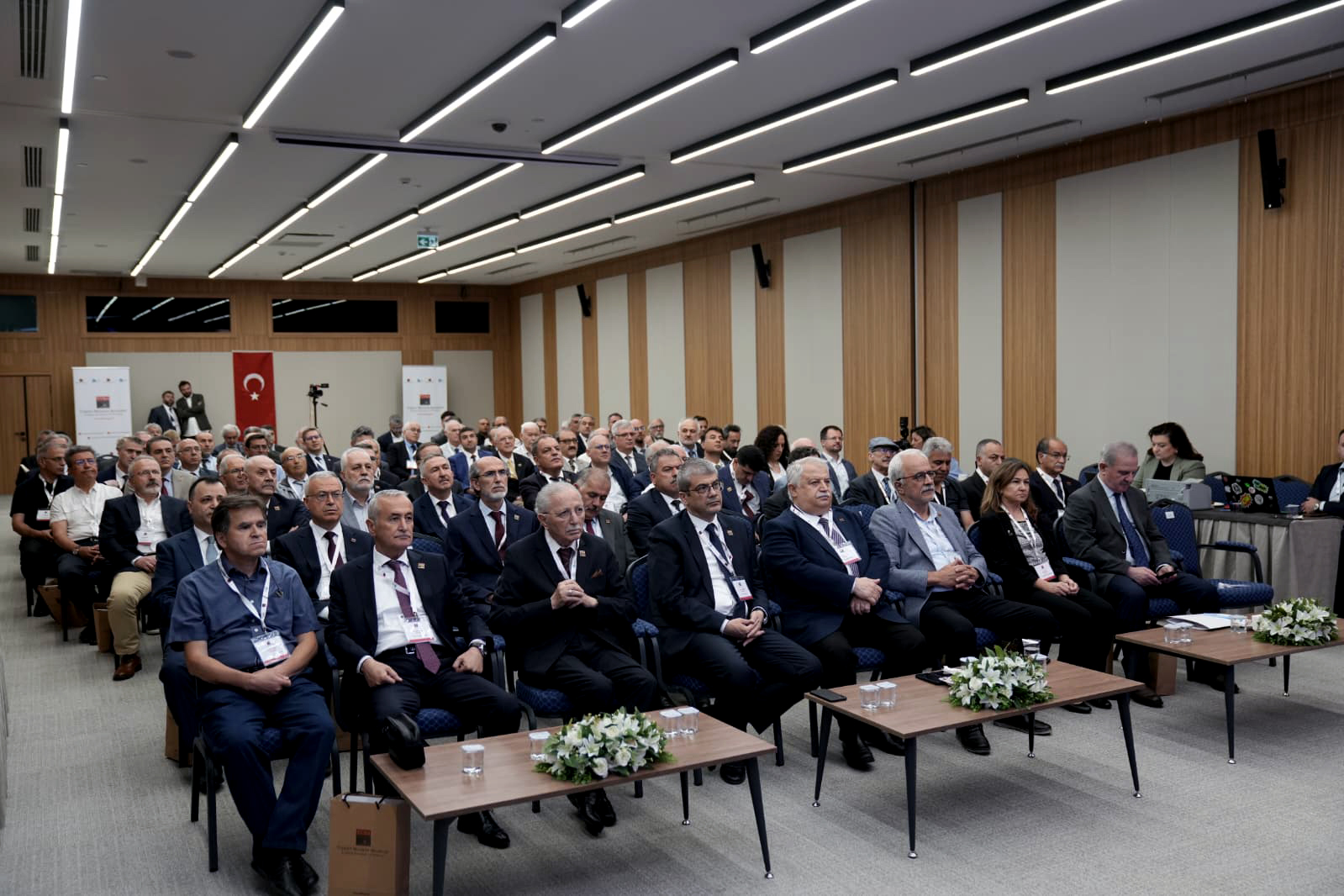
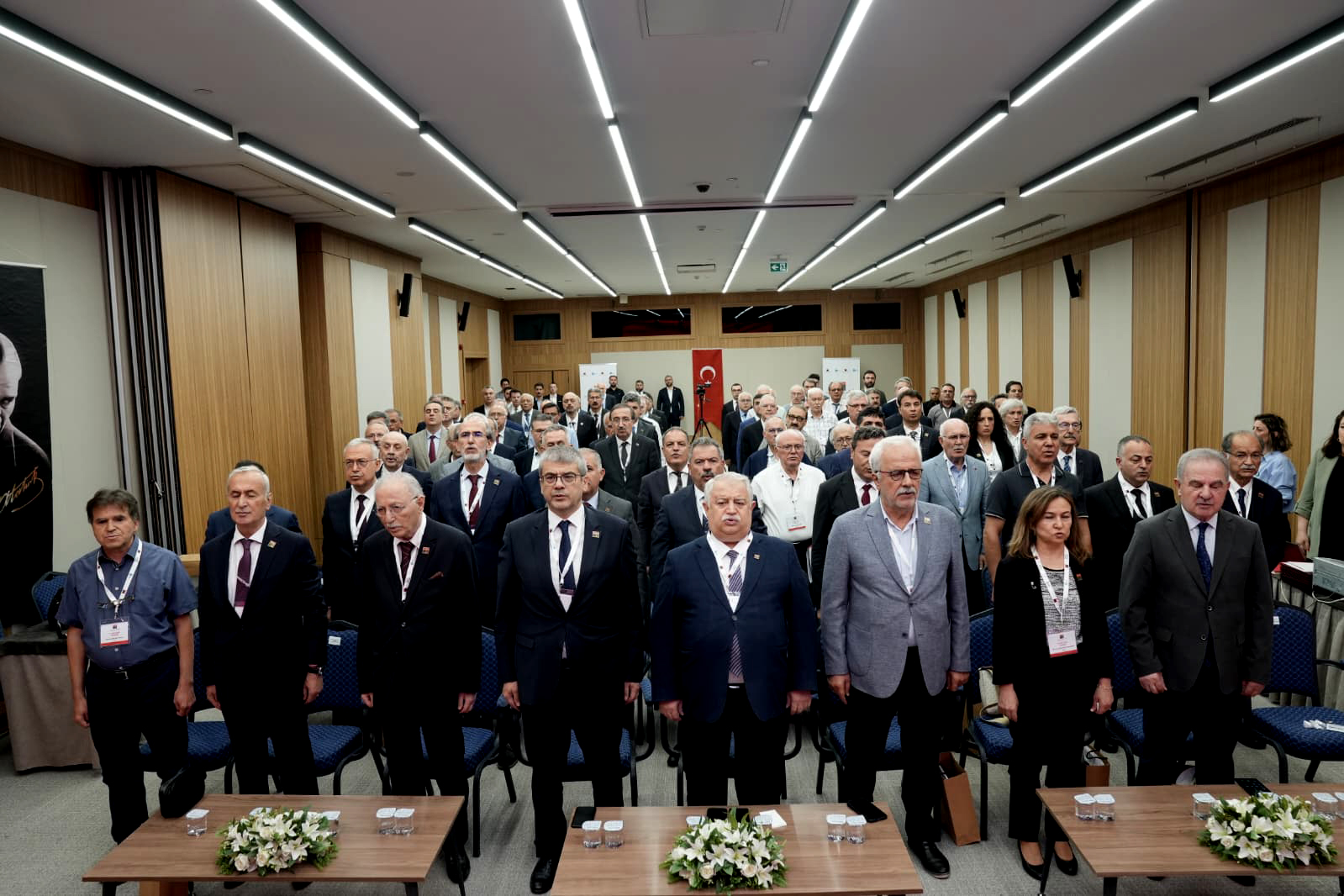
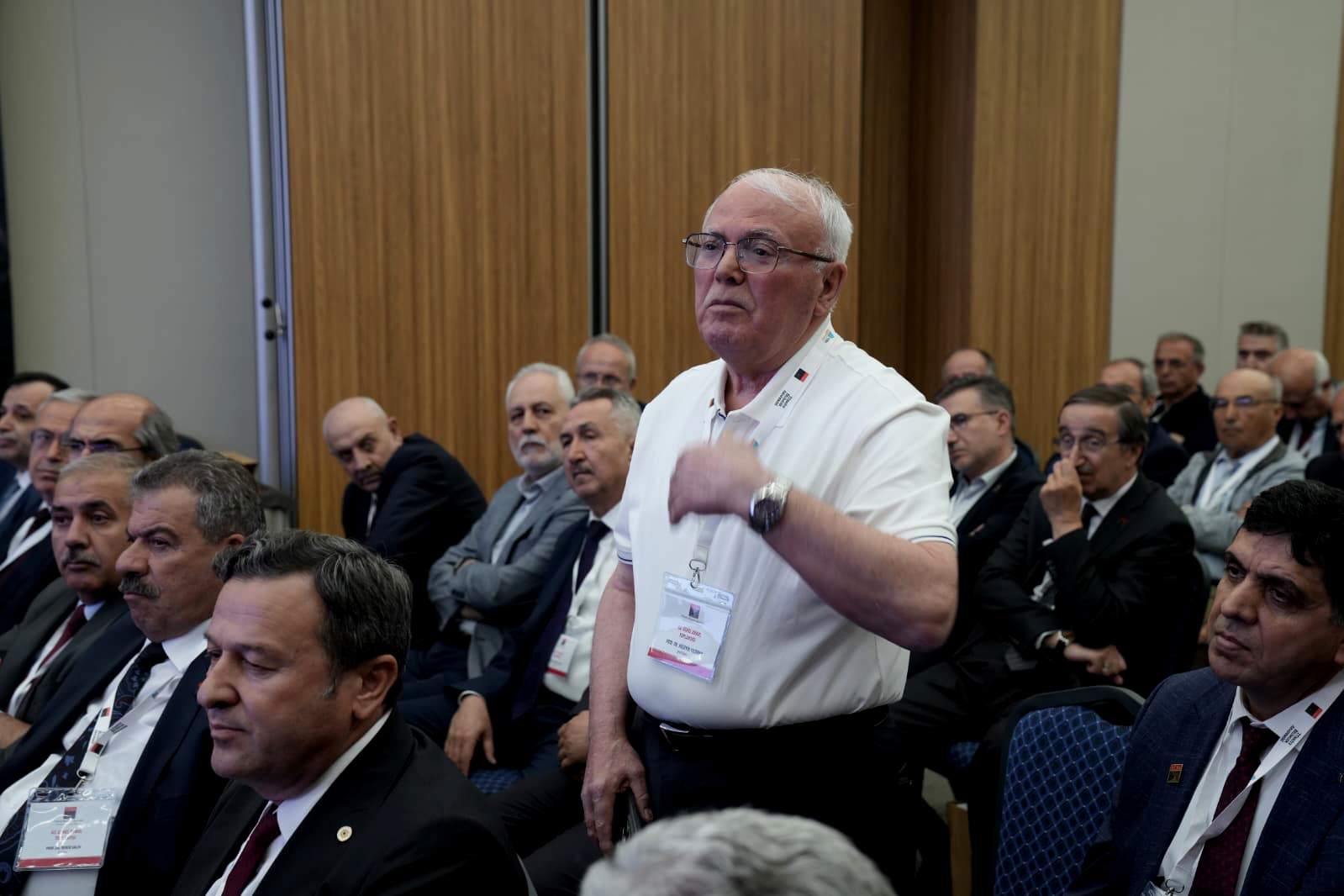
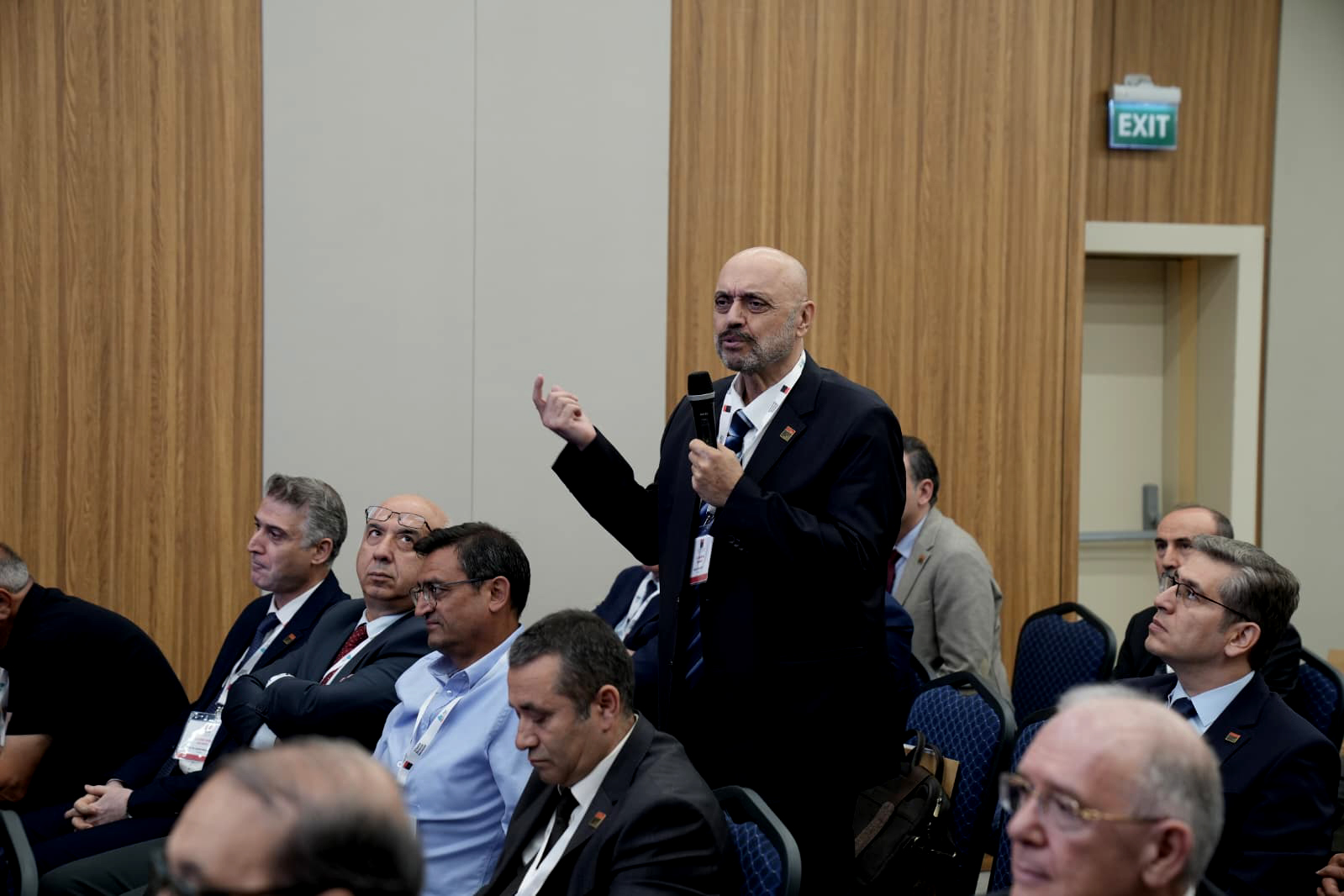
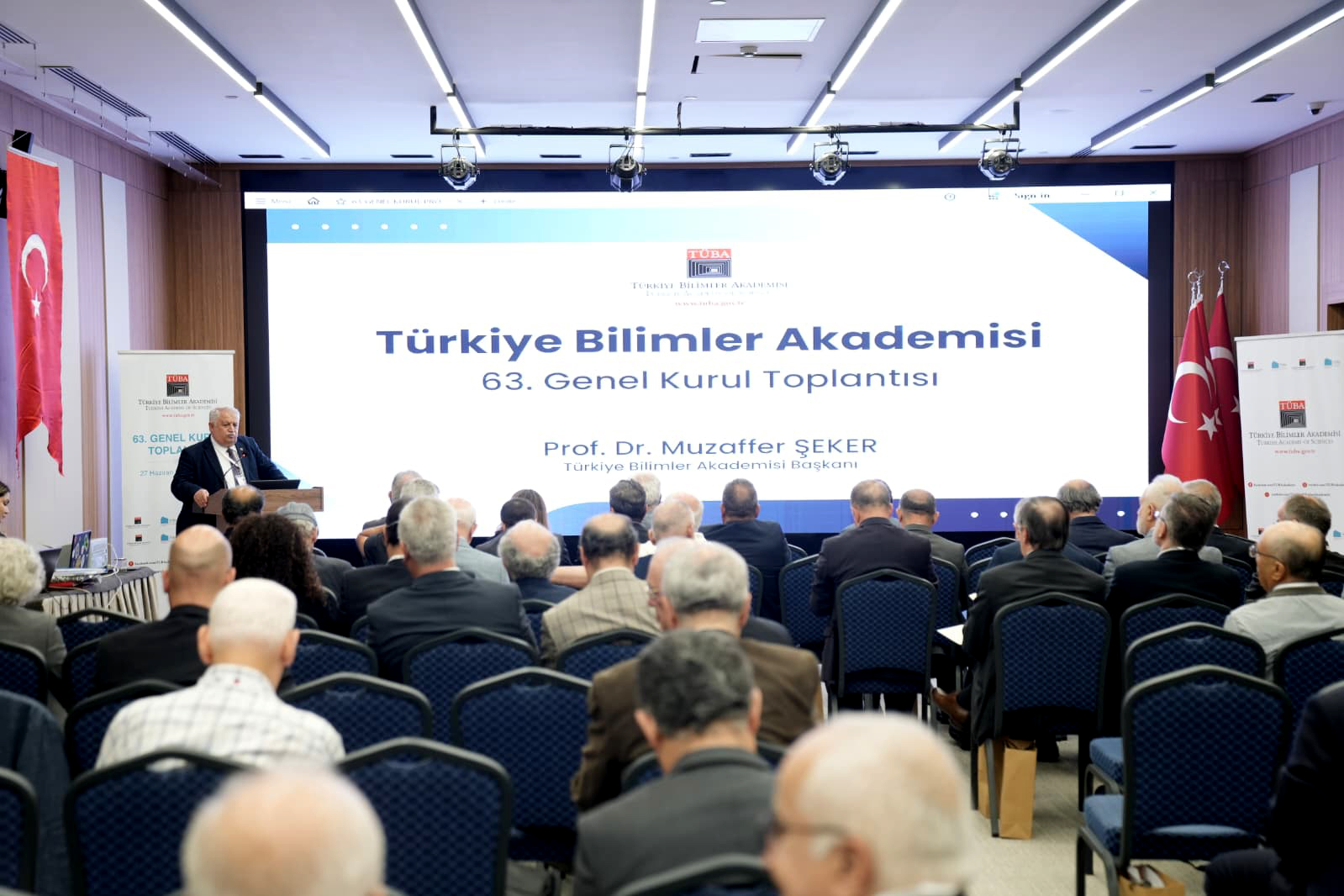
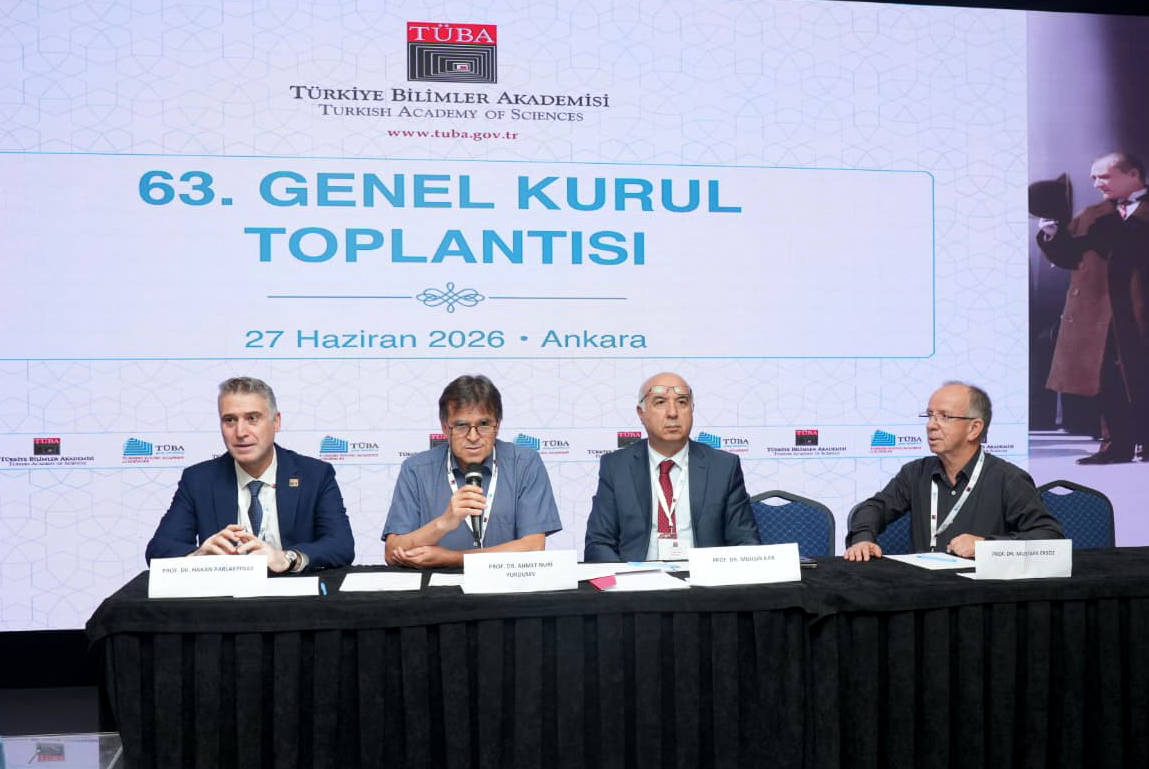
The Academy’s 63rd General Assembly and General Assembly Conference were held with the participation of TÜBA members, university rectors, and heads of institutions.
TÜBA elected new members.
As a result of the voting, TÜBA Associate Members Prof. Dr. Önder Metin and Prof. Dr. Ali Adnan Hayaloğlu, along with nominee Prof. Dr. Erdal Çelik, were elected as Full Members; Prof. Dr. İhsan Kaya, Prof. Dr. İmren Hatay Patır, and Prof. Dr. Mehmet Gürdal were elected as Associate Members. Additionally, at the Academy Council meeting held in June 2026, Prof. Dr. Feridun Hamdullahpur, Prof. Dr. Muhammad Iqbal Choudhary, Prof. Dr. Mohannad Furjan, and Prof. Dr. Muazzam A. Khan Khattak were elected as Honorary Members, while Prof. Dr. Mehmet Zahmakıran’s Associate Membership was renewed.
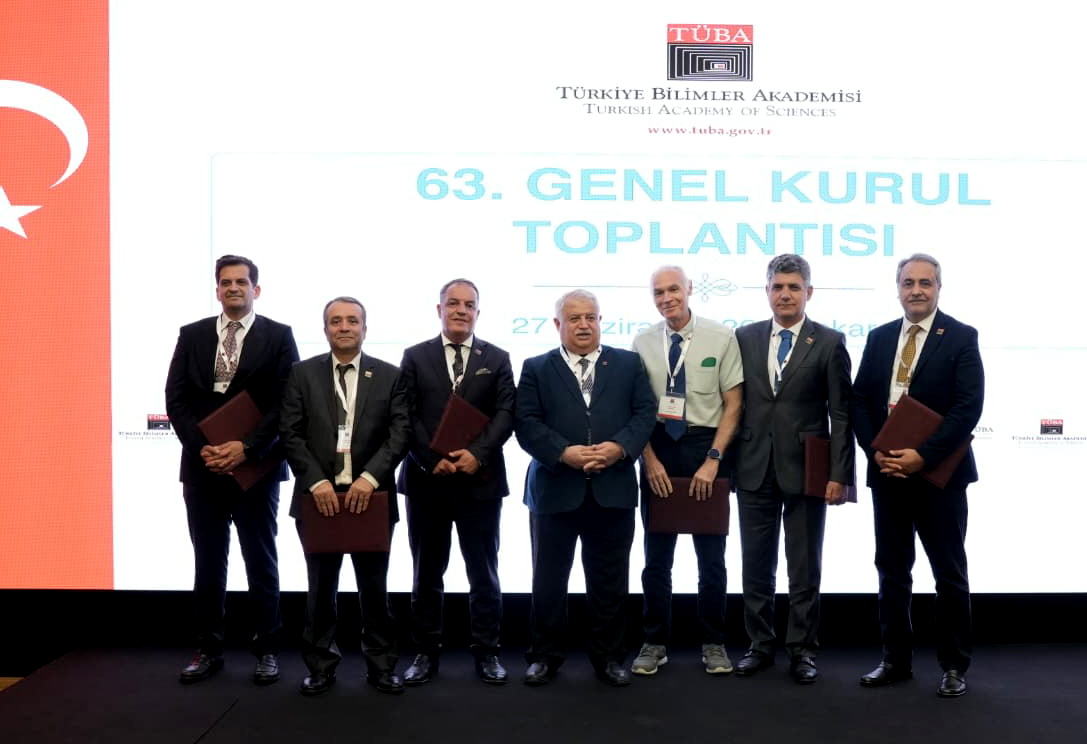
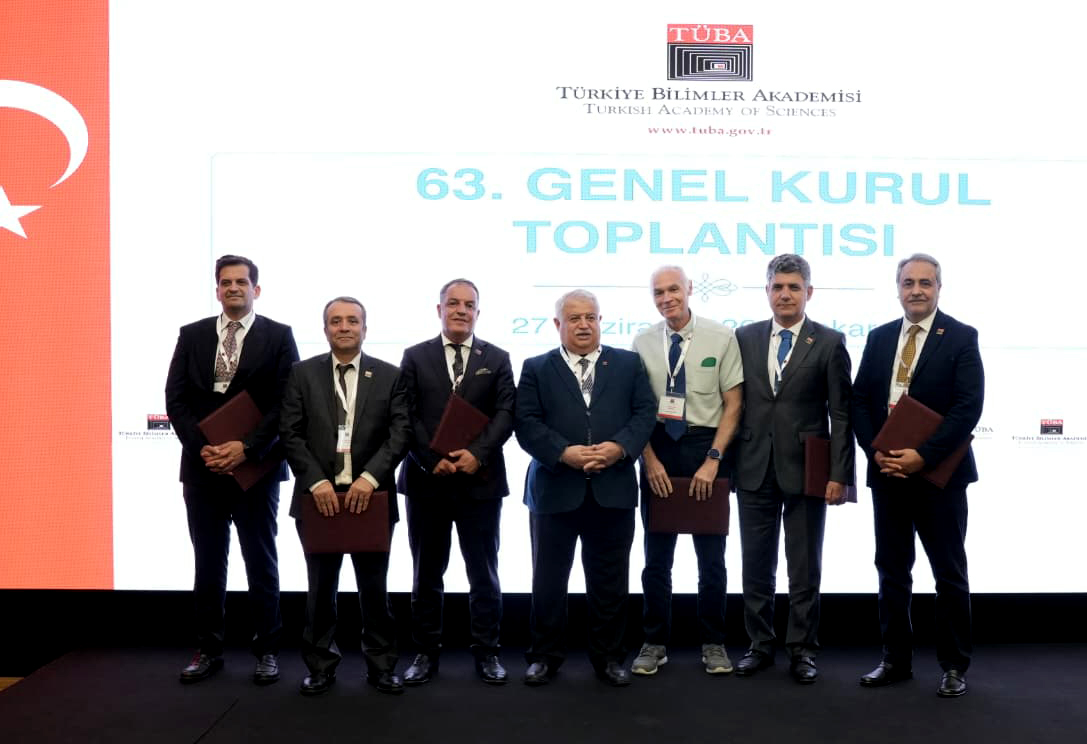 Presentation of Certificates to Academy Members
Certificates of Full Membership were also presented to Prof. Dr. Ali Koşar, Prof. Dr. Ali Ekber Akgün, Prof. Dr. Bayram Zafer Erdoğan, Prof. Dr. Sezai Ercişli, Prof. Dr. Selim Zaim, and Prof. Dr. Mustafa Oral Öncül, who were elected or had their membership statuses changed at the 62nd General Assembly meeting.
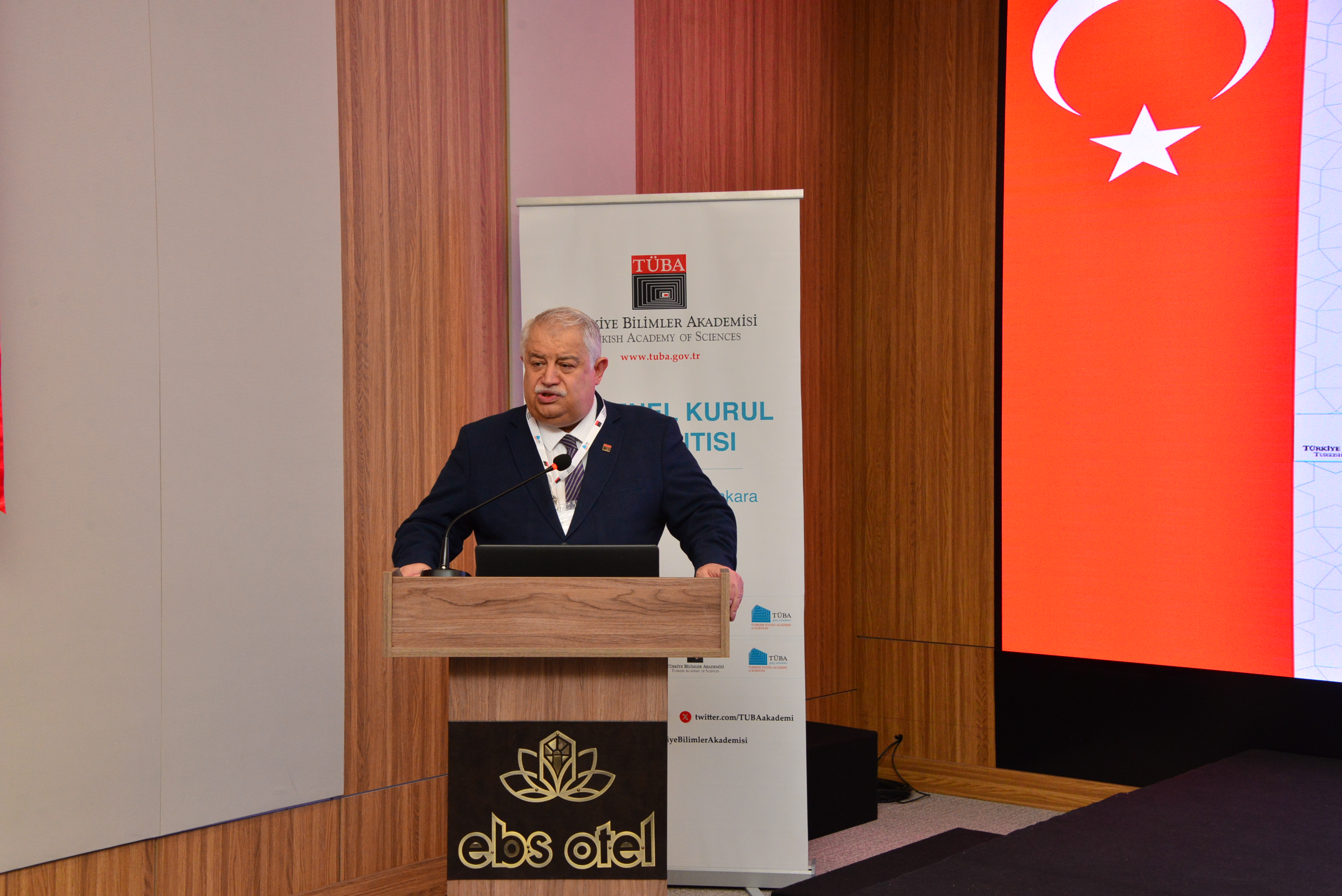
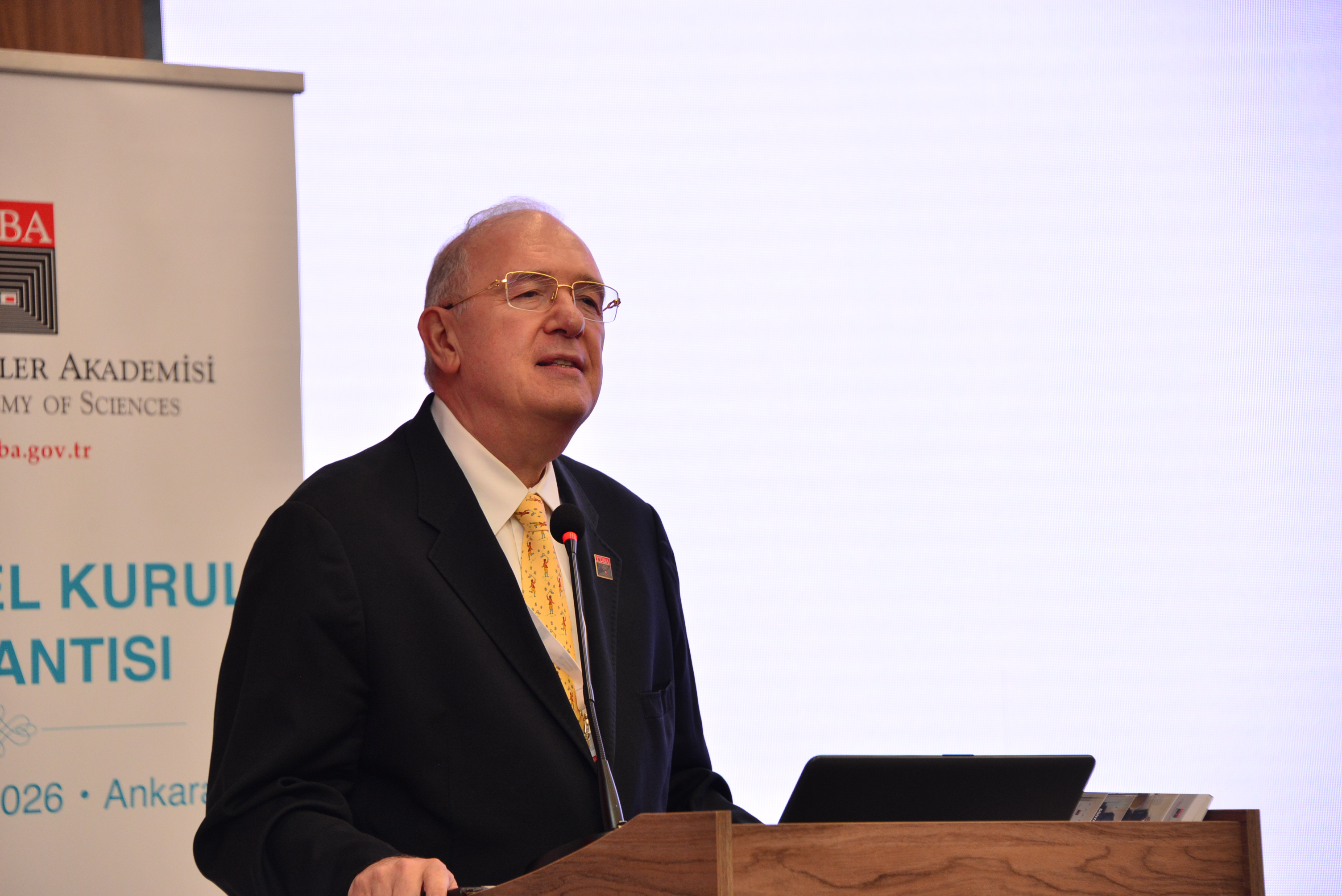
In his opening remarks, TÜBA President Prof. Dr. Muzaffer Şeker announced that the World Science Forum (WSF), to be hosted by TÜBA in Türkiye in 2027, had recently been placed under the patronage of the Turkish Presidency. Prof. Dr. Şeker highlighted the importance of the WSF for both the world and Türkiye. Noting that reports on Türkiye’s science strategy and scientific publishing activities are ongoing, Prof. Dr. Şeker stated that reports on addictions, the family and its future, youth and belonging, interactive studies on Türkiye's population policies, and the impacts of artificial intelligence on higher education and the future will be completed by 2026. In this regard, he emphasized that TÜBA continues to conduct studies on scientific issues in line with Türkiye’s challenges and agenda, as well as to identify scientific priorities, and is working on strategy reports on these topics.
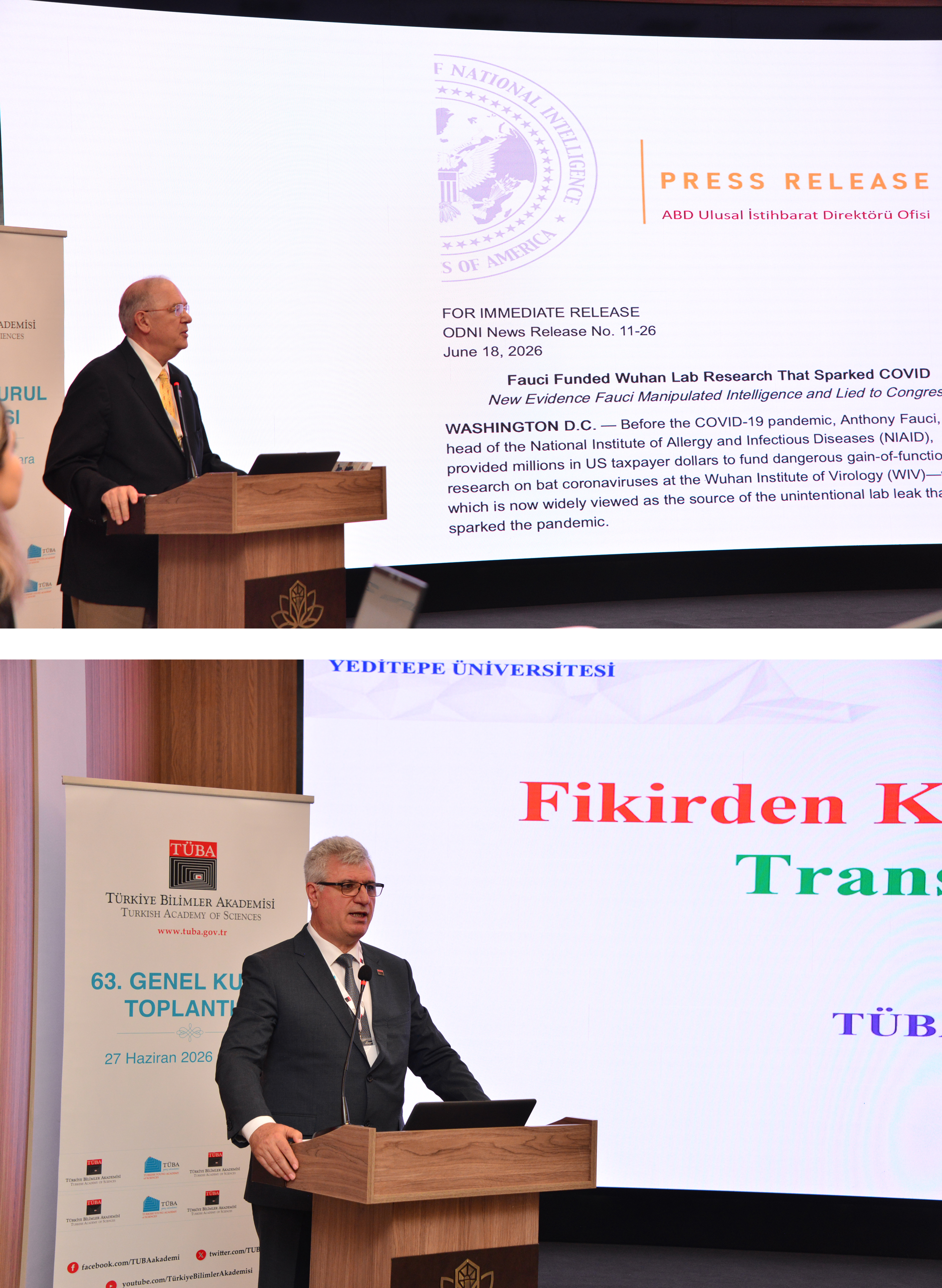 Prof. Dr. Özçelik Discussed “The Perspective of Biosafety in the Age of Genomics,” and Prof. Dr Şahin Discussed “New-Generation Bioactives” at the General Assembly Conference
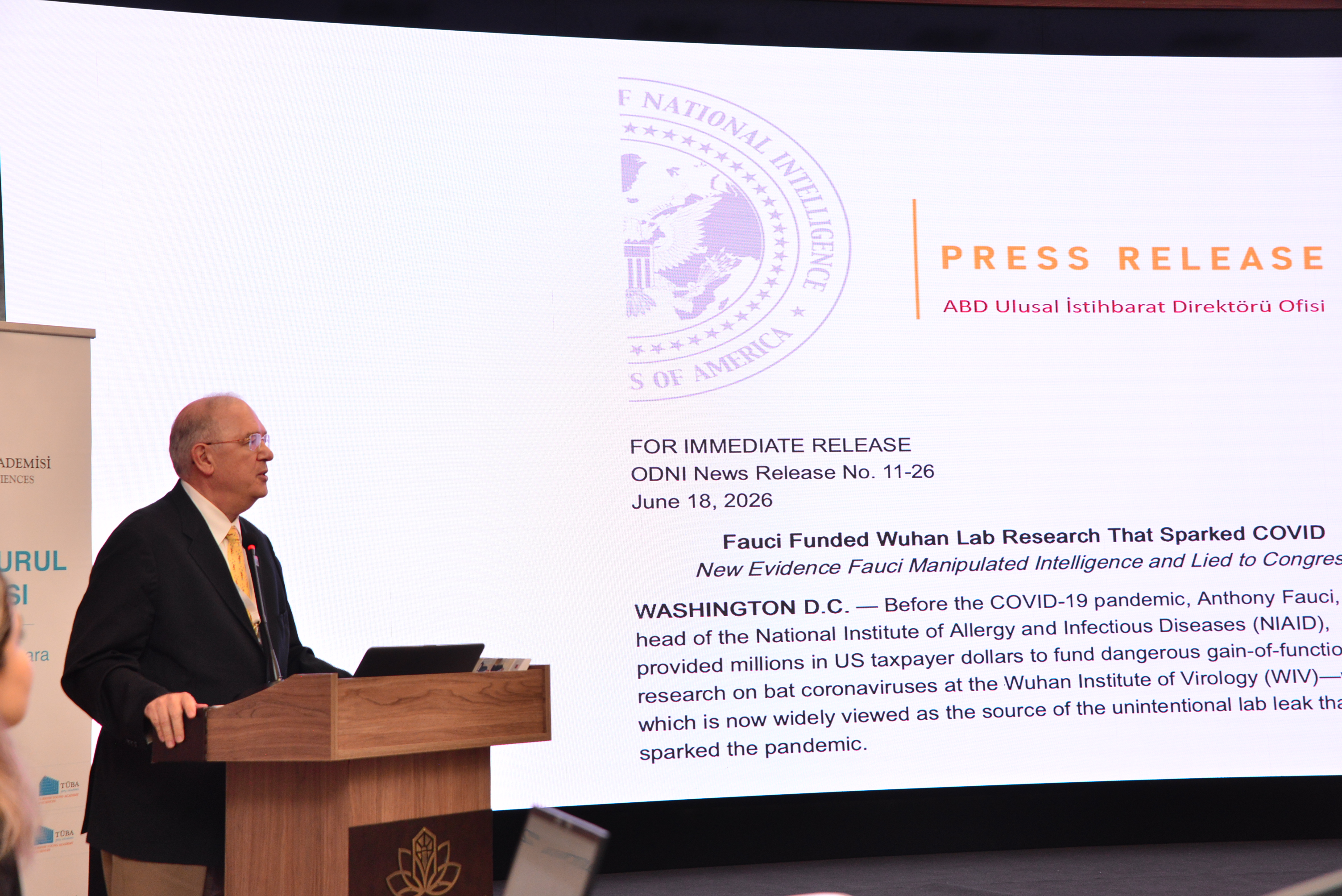
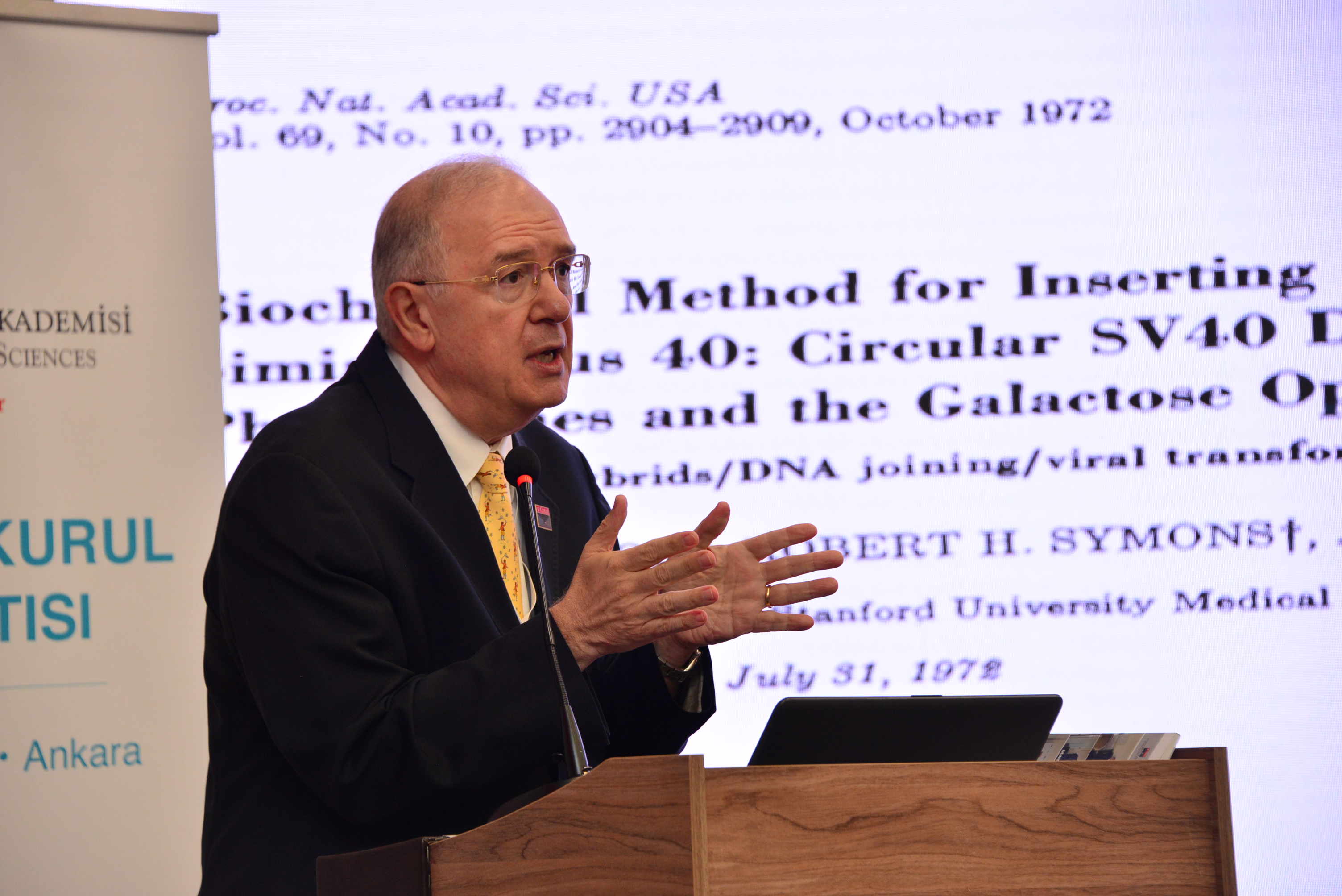
TÜBA Full Member and Bilkent University Faculty Member Prof. Dr. Tayfun Özçelik stated in his presentation titled “Biosecurity in the Age of Genomic Sciences” that biosecurity is an integral part of modern genomic sciences. He also noted that research on the origins of COVID-19 and infectious disease agents have once again come to the forefront at the highest levels of intelligence and national security in the U.S.” Noting that this current debate brings to mind an old but increasingly pressing question, Prof. Özçelik asked, “How can the scientific power to alter the genetic information of living organisms be used in the safest way possible for the benefit of humanity?”
“There is a historical trajectory stretching from the birth of recombinant DNA research in the 1960s to the Asilomar Conference, from the first gene cloning studies to insulin production and DNA repair, and from the deep concerns raised by the sequencing of the 1918 Spanish flu virus to today’s research that endows genes with new functions. On one side of the scale of genomics lie healing, genetic diagnosis, biotechnological drugs, vaccines, the understanding of rare diseases and congenital immune deficiencies, and the alleviation of human suffering. On the other side lies the responsibility that comes with the necessity of considering public health, scientific transparency, and safety together—especially when working with infectious disease agents,” he said.
Emphasizing that Asilomar’s enduring lesson remains relevant today, Prof. Dr. Özçelik stated that advanced science must progress not through fear, but through moderation, oversight, and responsibility.
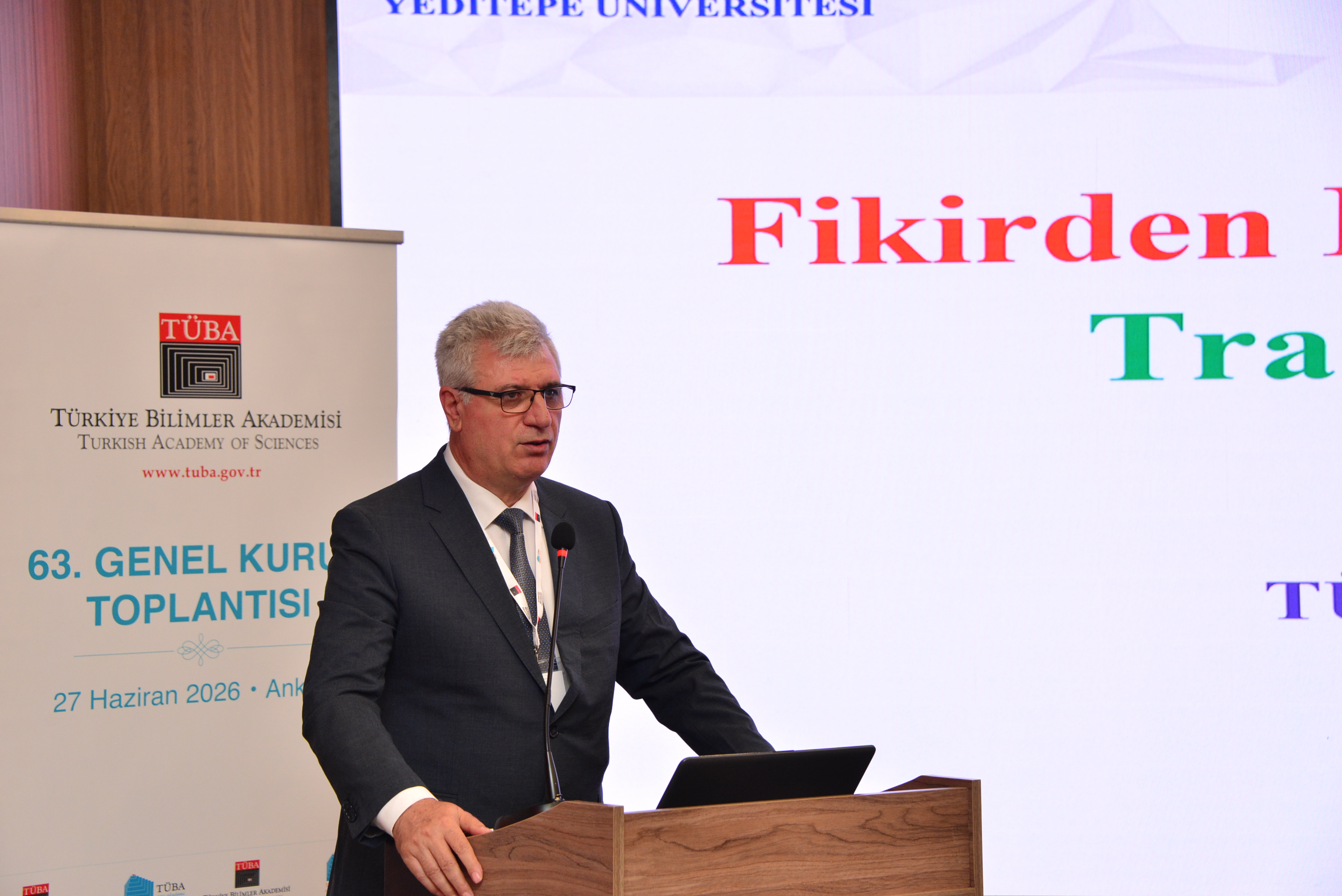
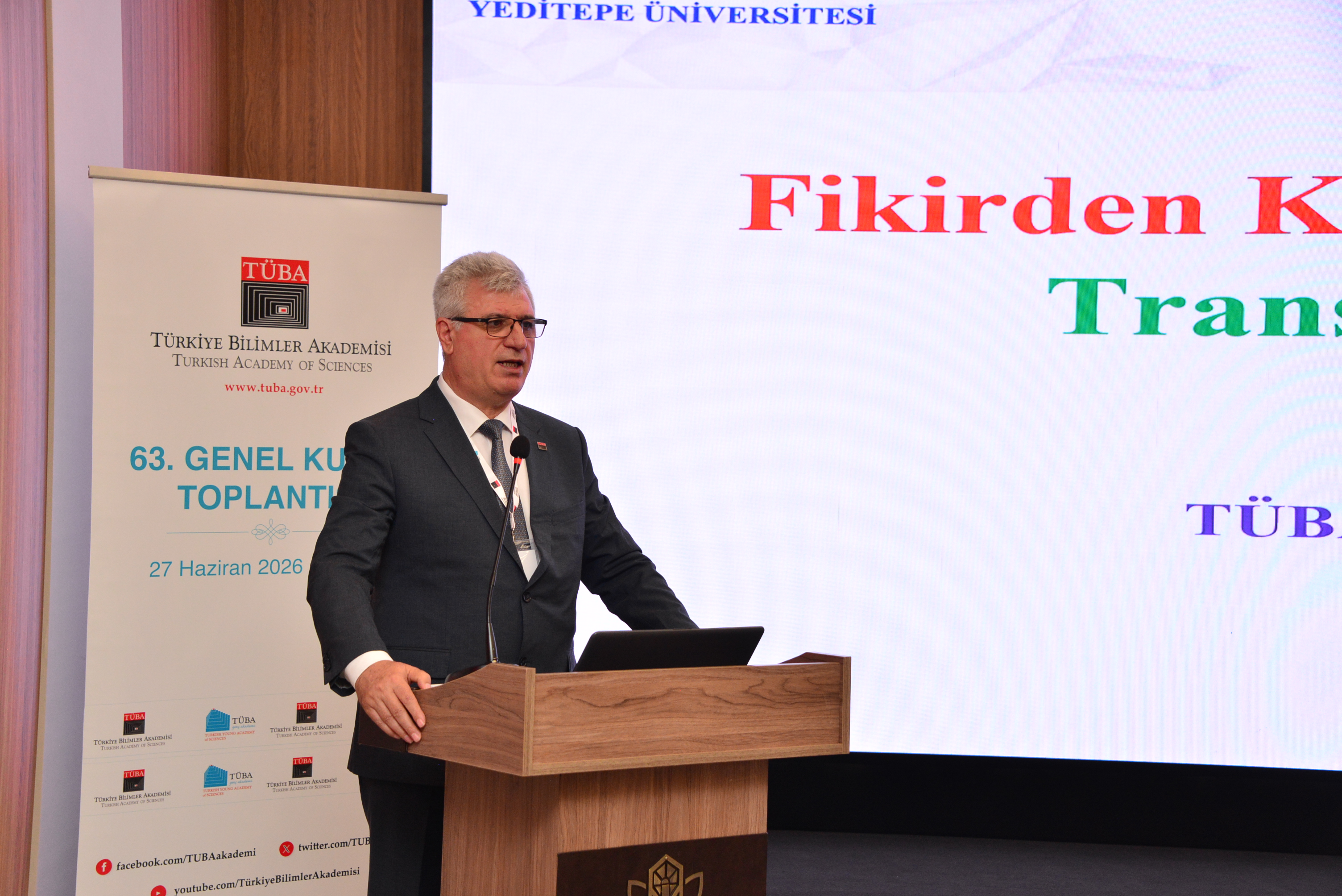
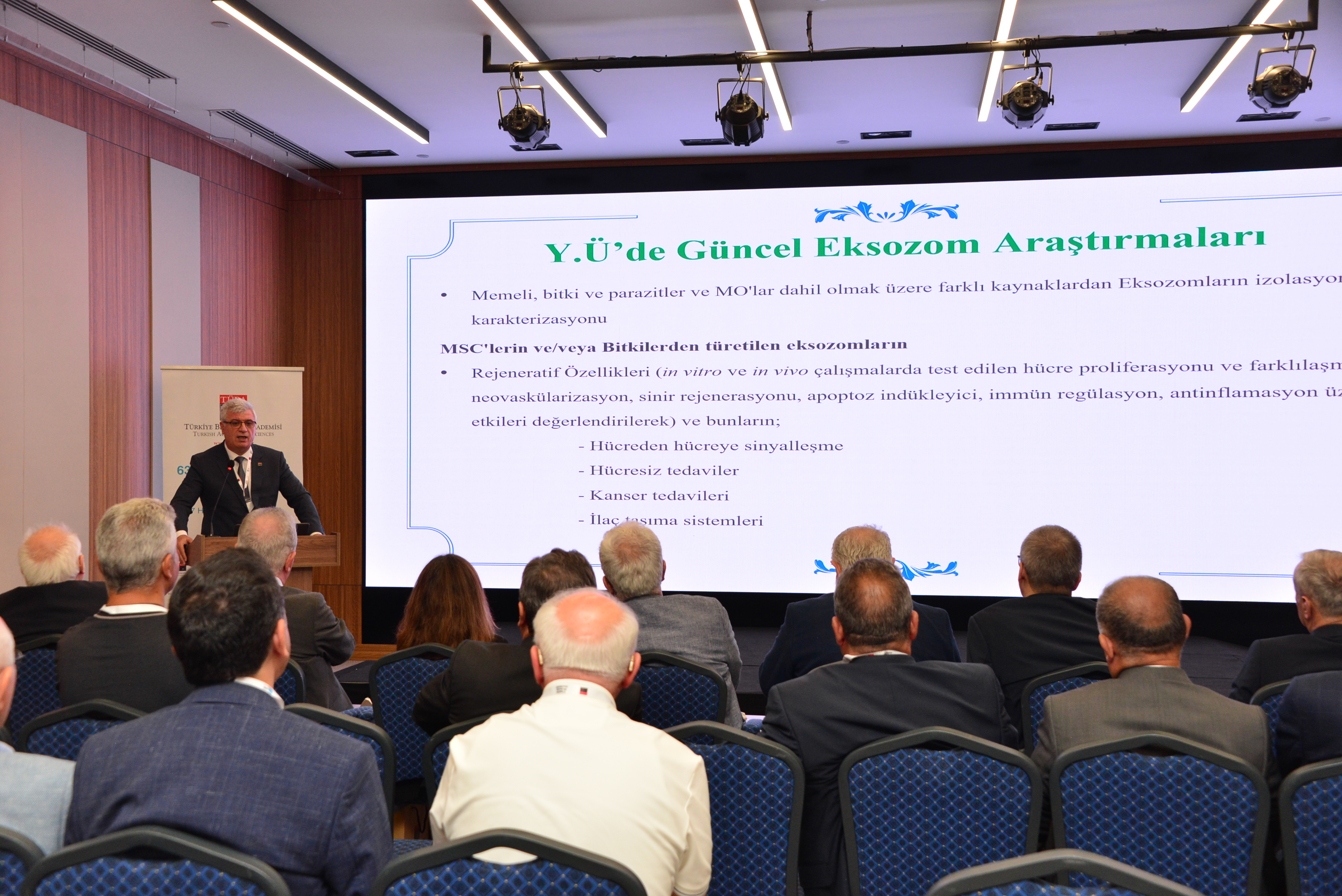
Prof. Dr. Fikrettin Şahin, a Full Member of TÜBA and a faculty member at Yeditepe University, delivered a lecture titled “From Idea to Clinic: The Translational Journey of Next-Generation Bioactive Molecules in Regenerative Medicine.” In his talk, Prof. Dr. Şahin addressed the translational processes—from the laboratory stage to clinical applications—of new-generation bioactive molecules developed in the field of regenerative medicine, highlighting the importance of transforming scientific research into innovative treatments in healthcare. He also assessed the critical role of interdisciplinary collaboration and technology-focused R&D efforts in the future of regenerative medicine.
In his presentation, Prof. Dr. Şahin highlighted the potential of innovative approaches—such as stem cells, gene therapies, exosomes, and biomaterials—in repairing damaged tissues and organs. He specifically evaluated the new opportunities offered to the field of regenerative medicine by ongoing studies on plant-derived exosomes, synthetic peptides, and boron compounds. He also shared examples of how these technologies are being applied in various fields, such as cartilage regeneration, wound healing, the treatment of infections, and drug delivery systems.