

International Symposium on “Artificial Intelligence in Higher Education” by TÜBA and AASSA
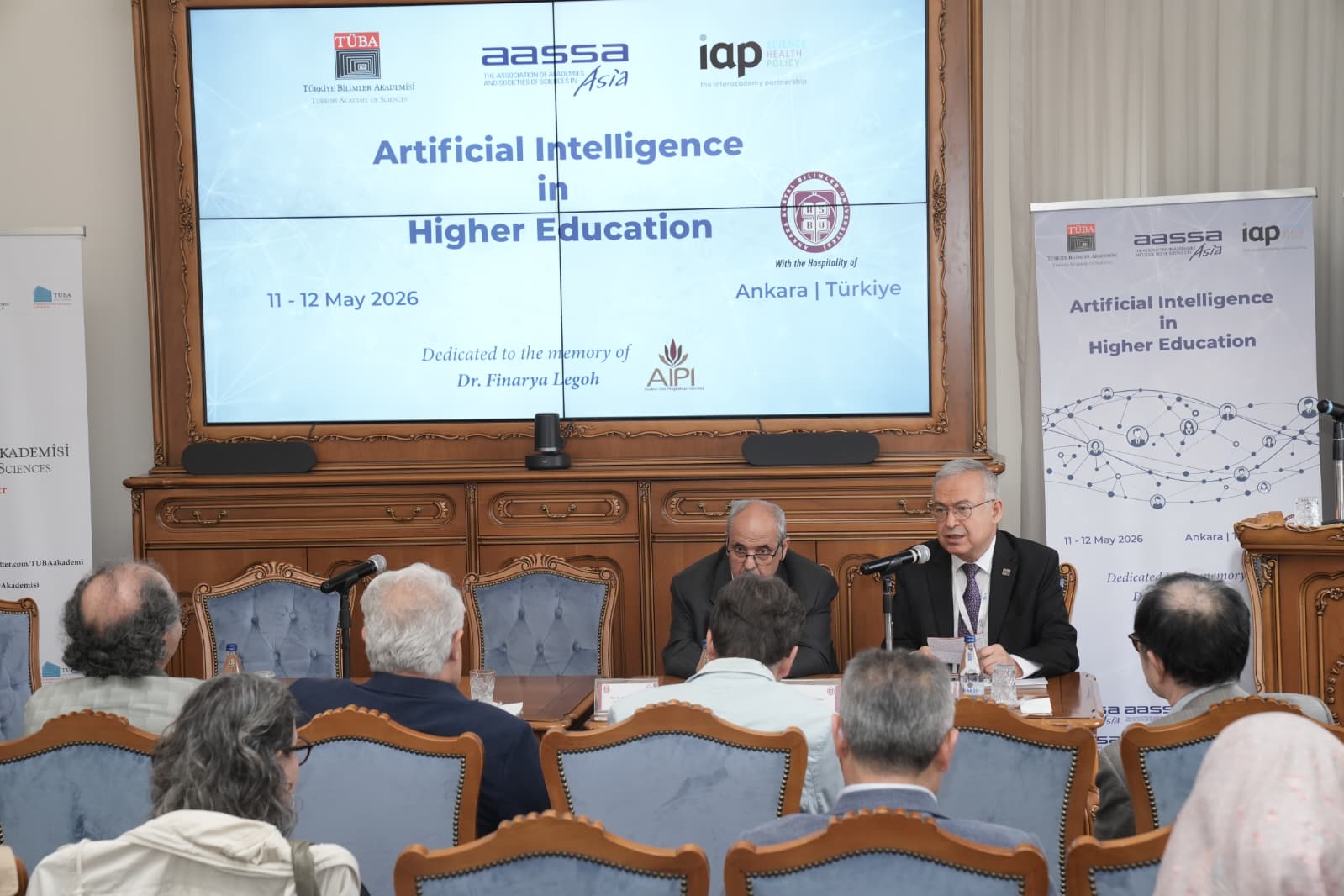
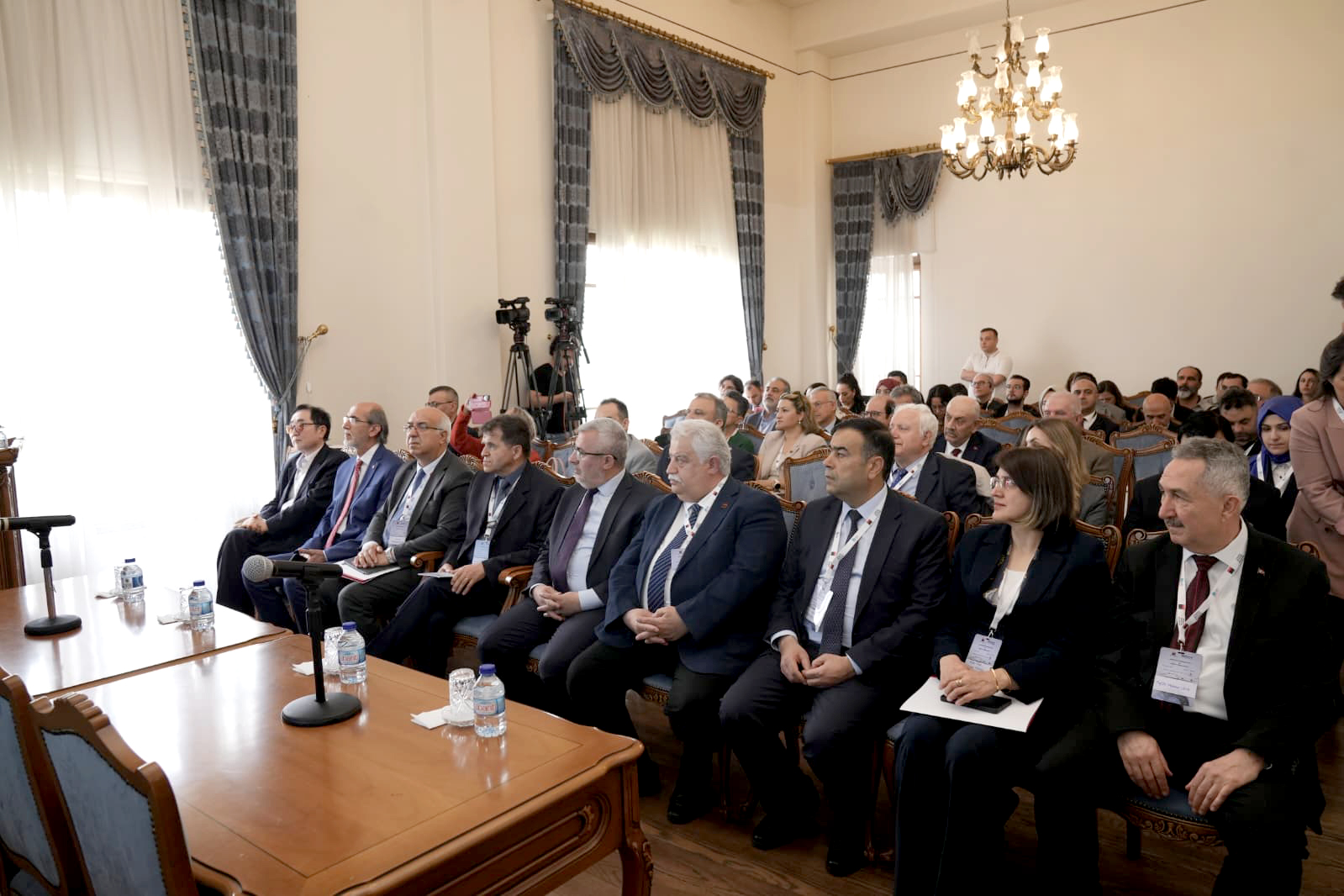
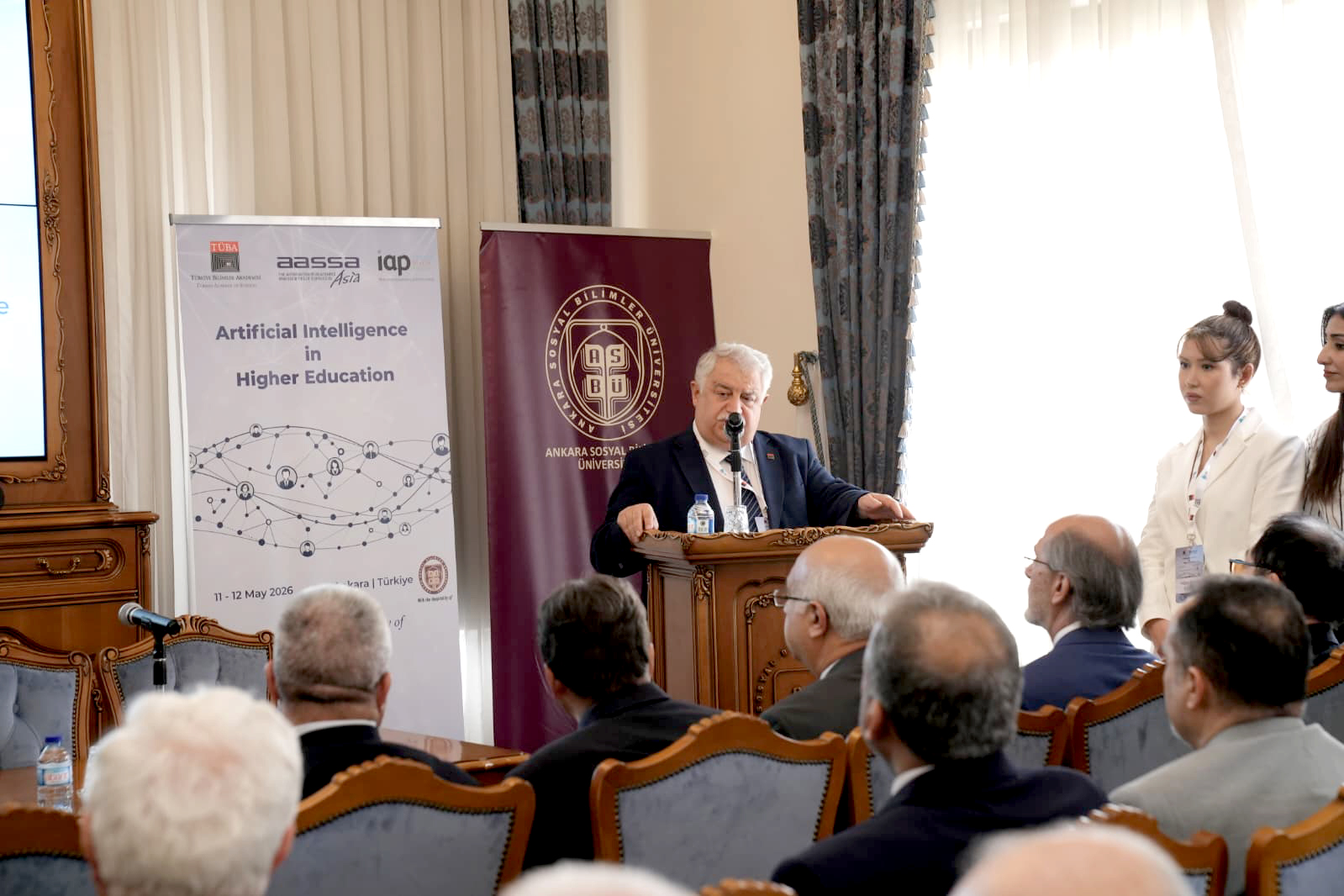
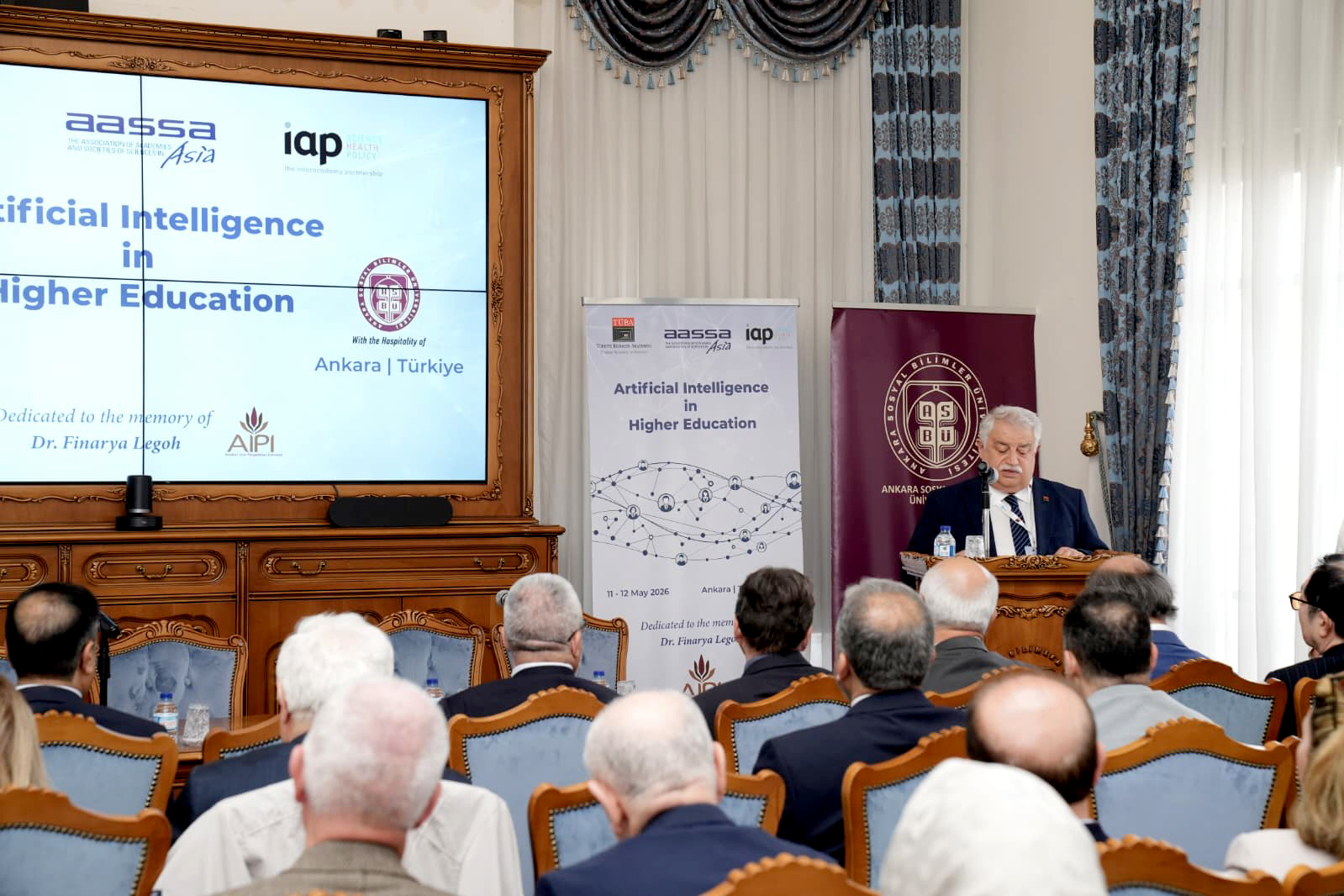
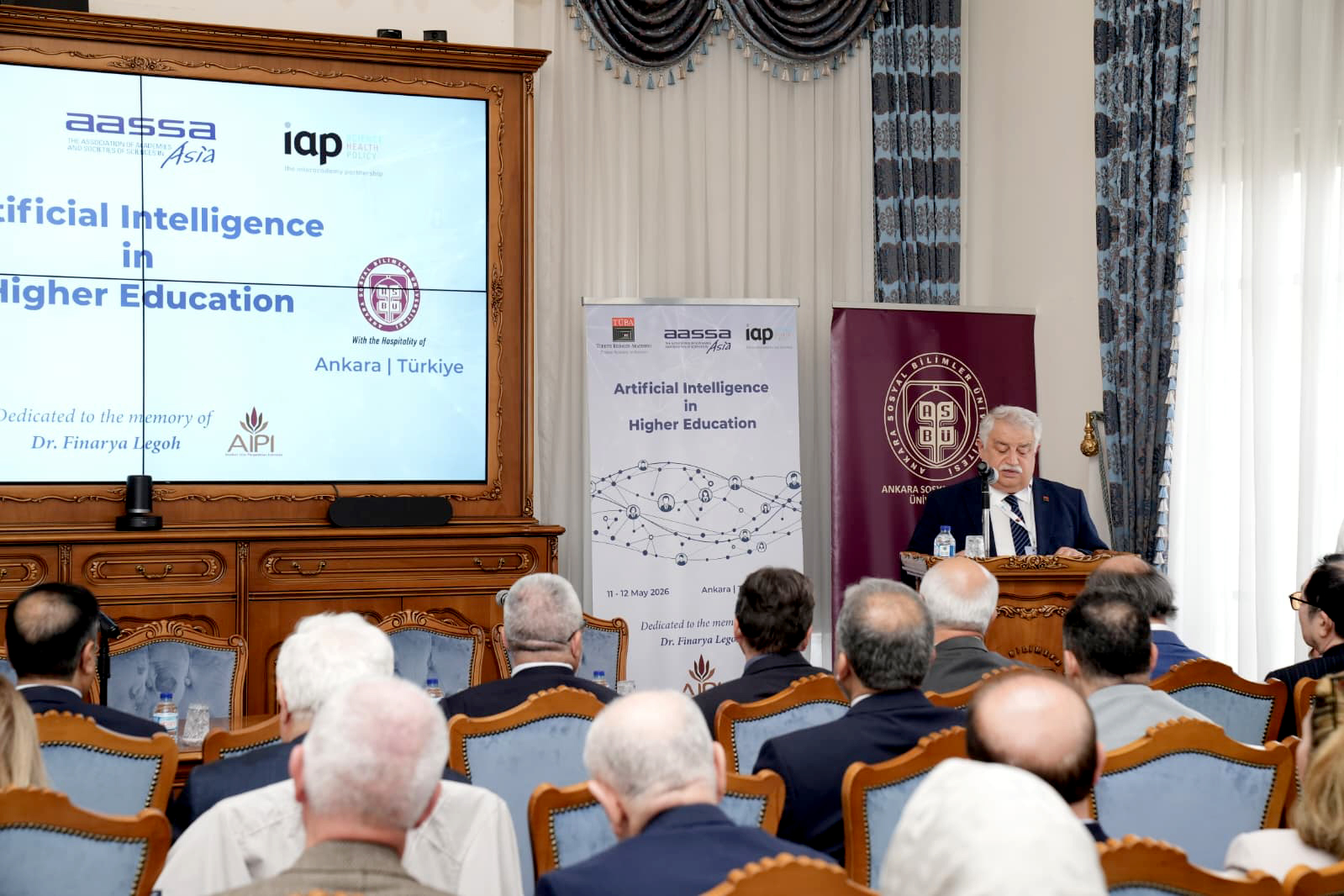
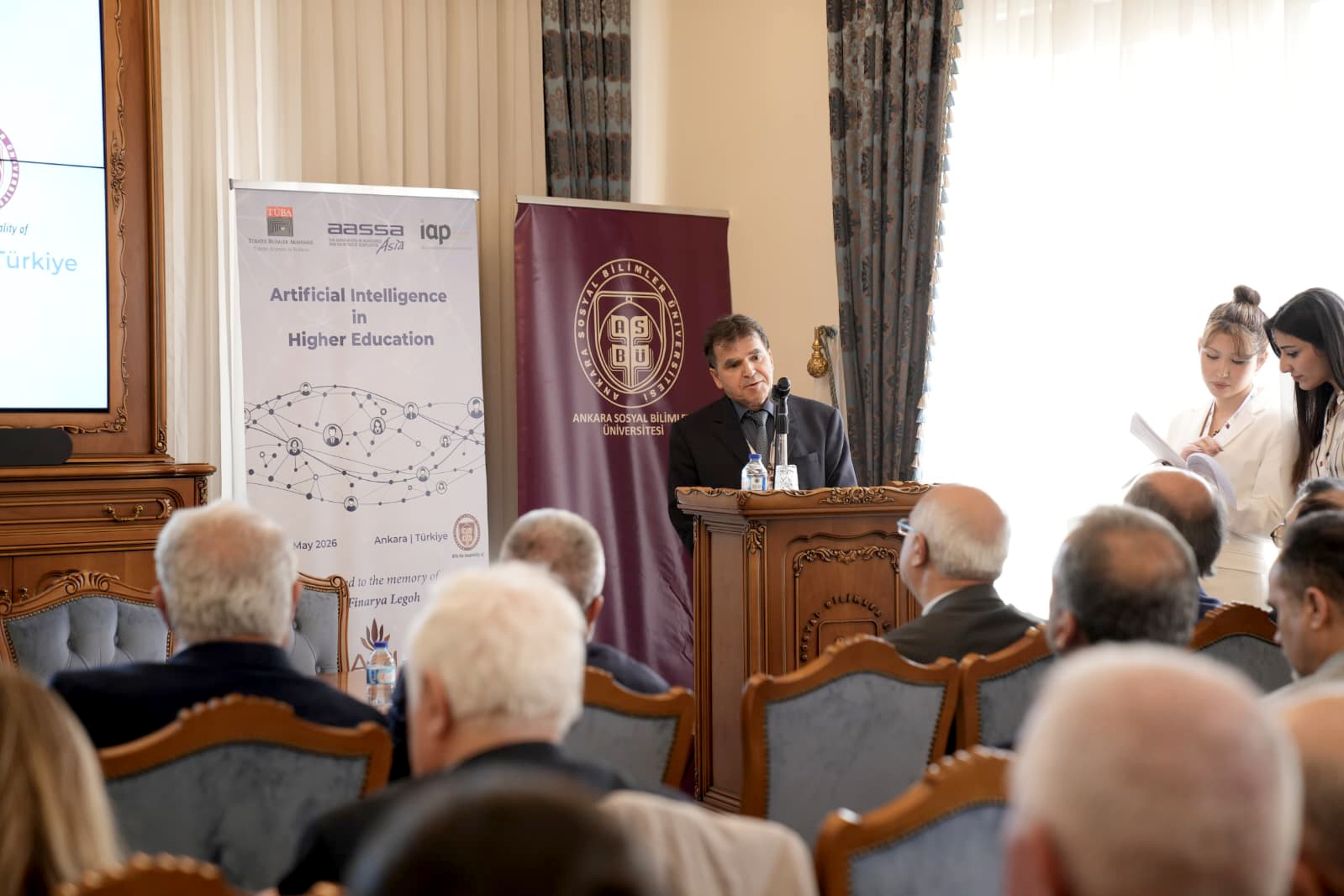
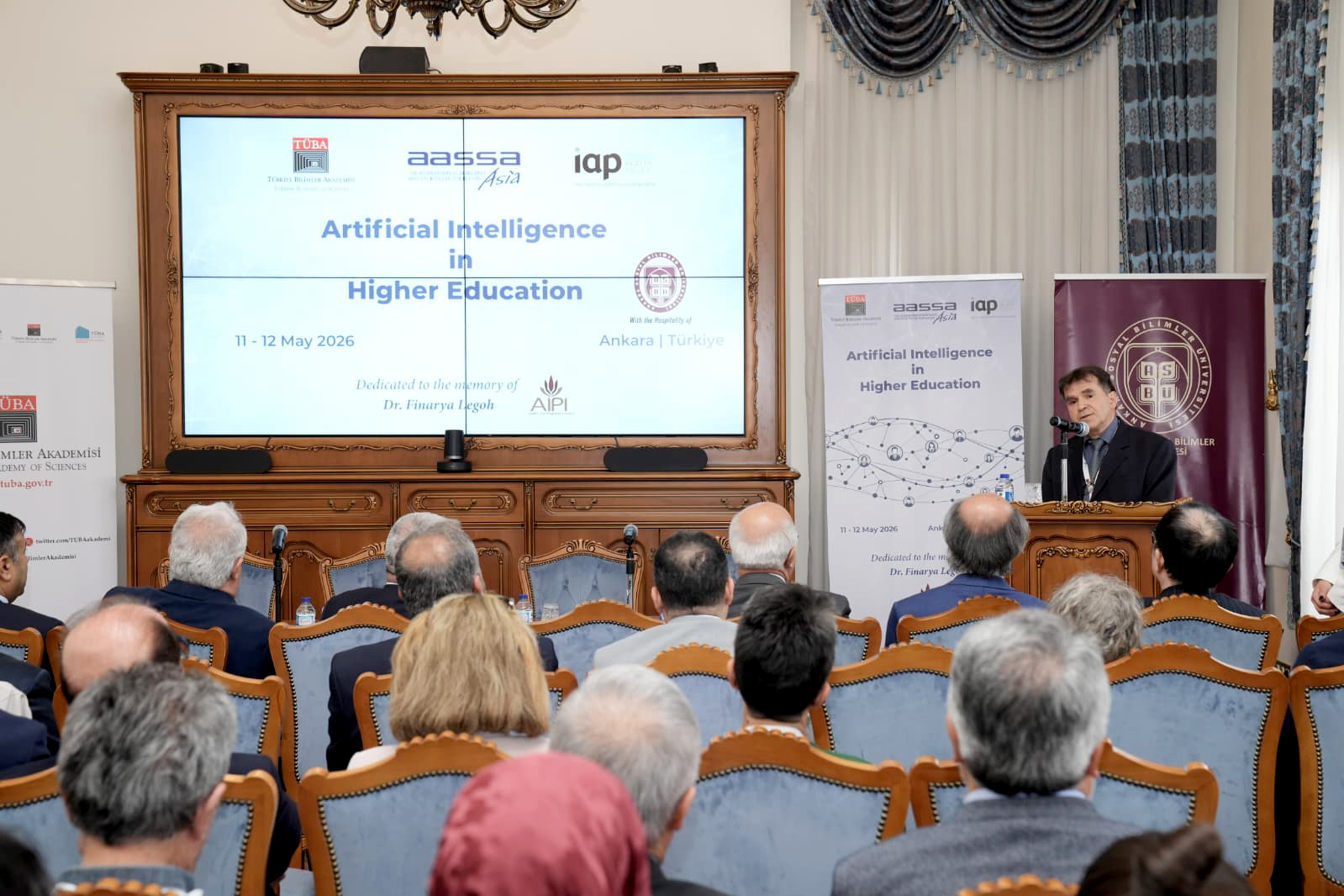
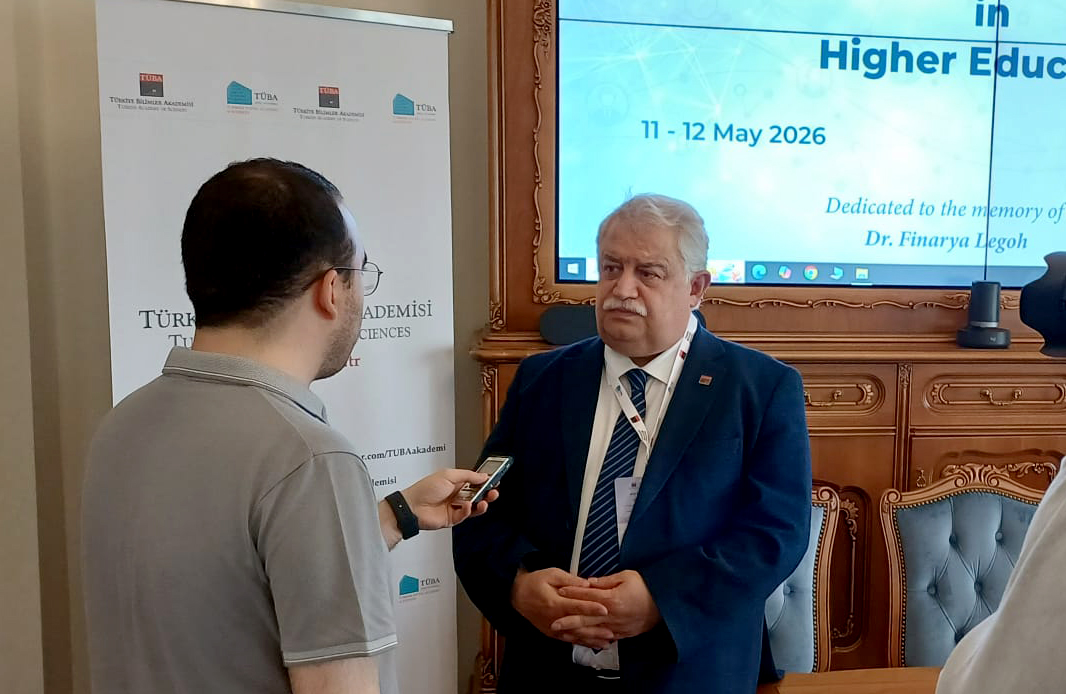
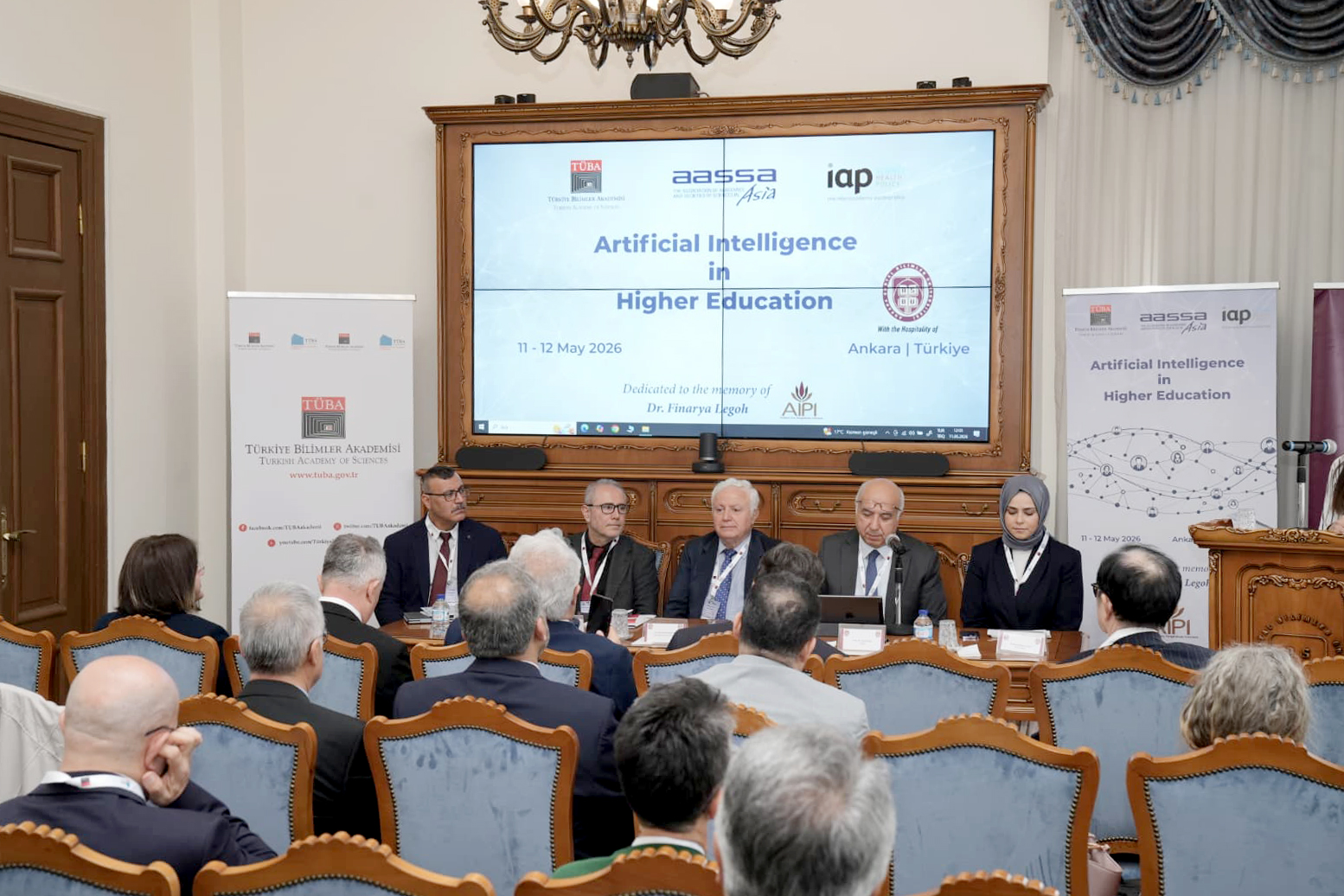
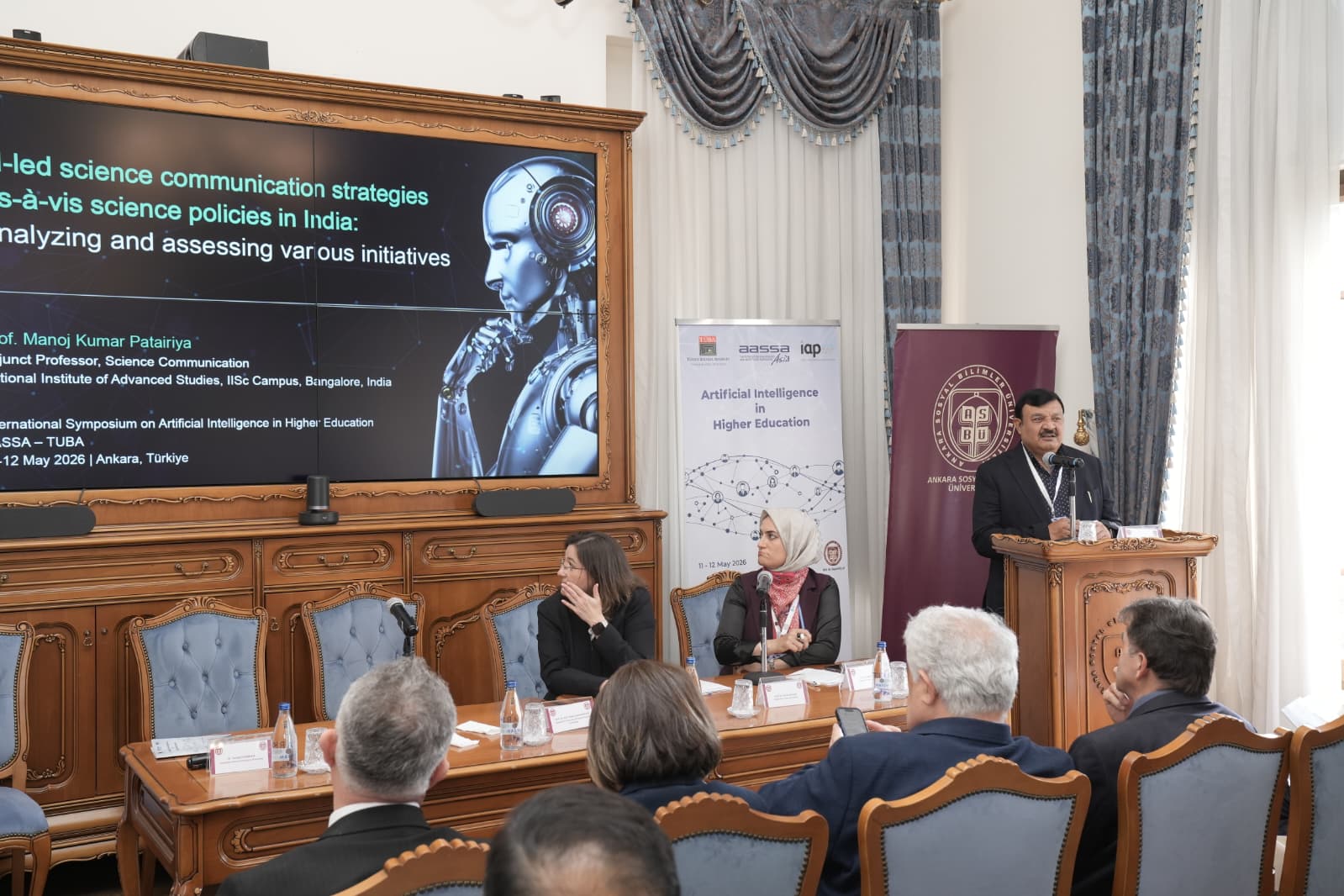
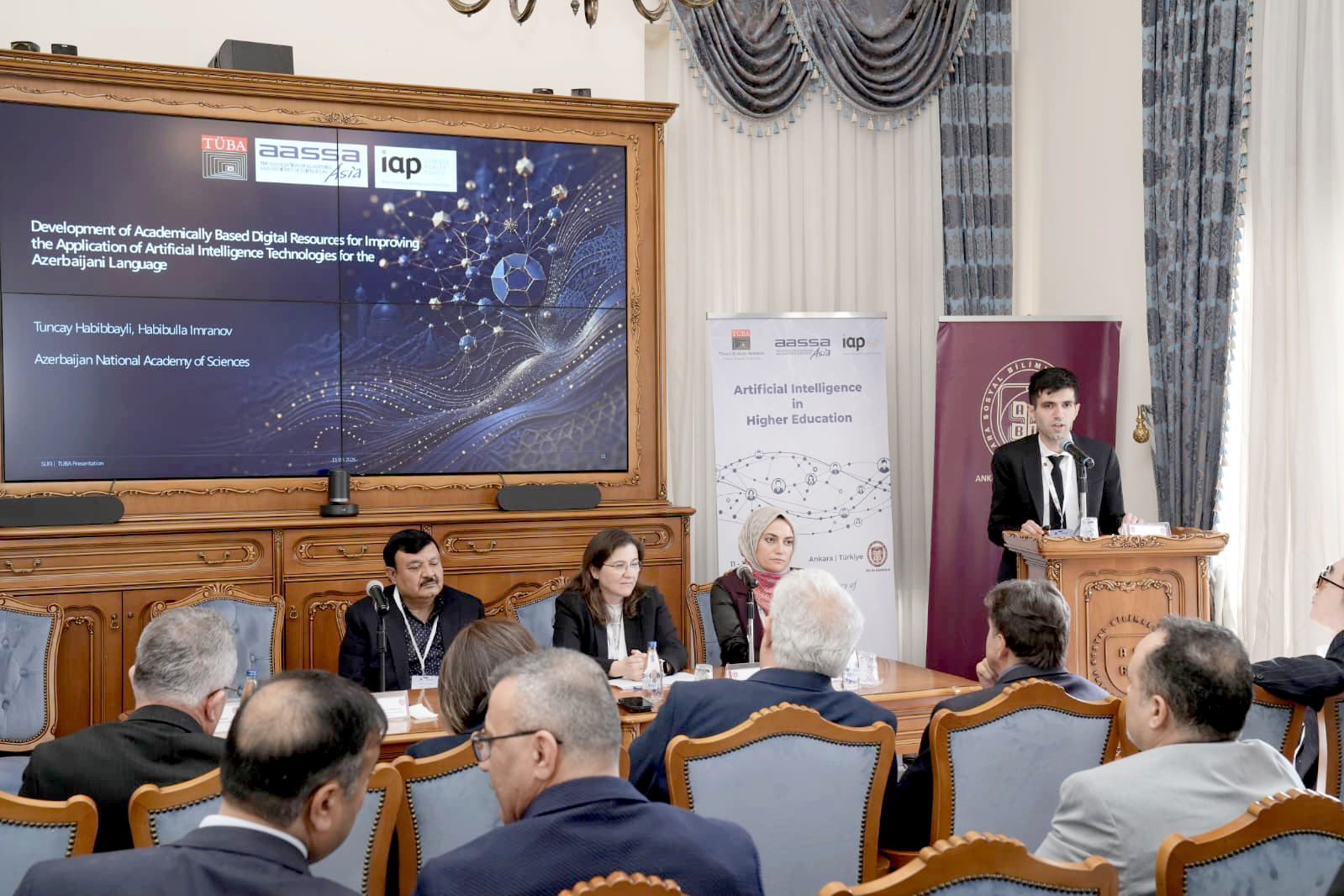
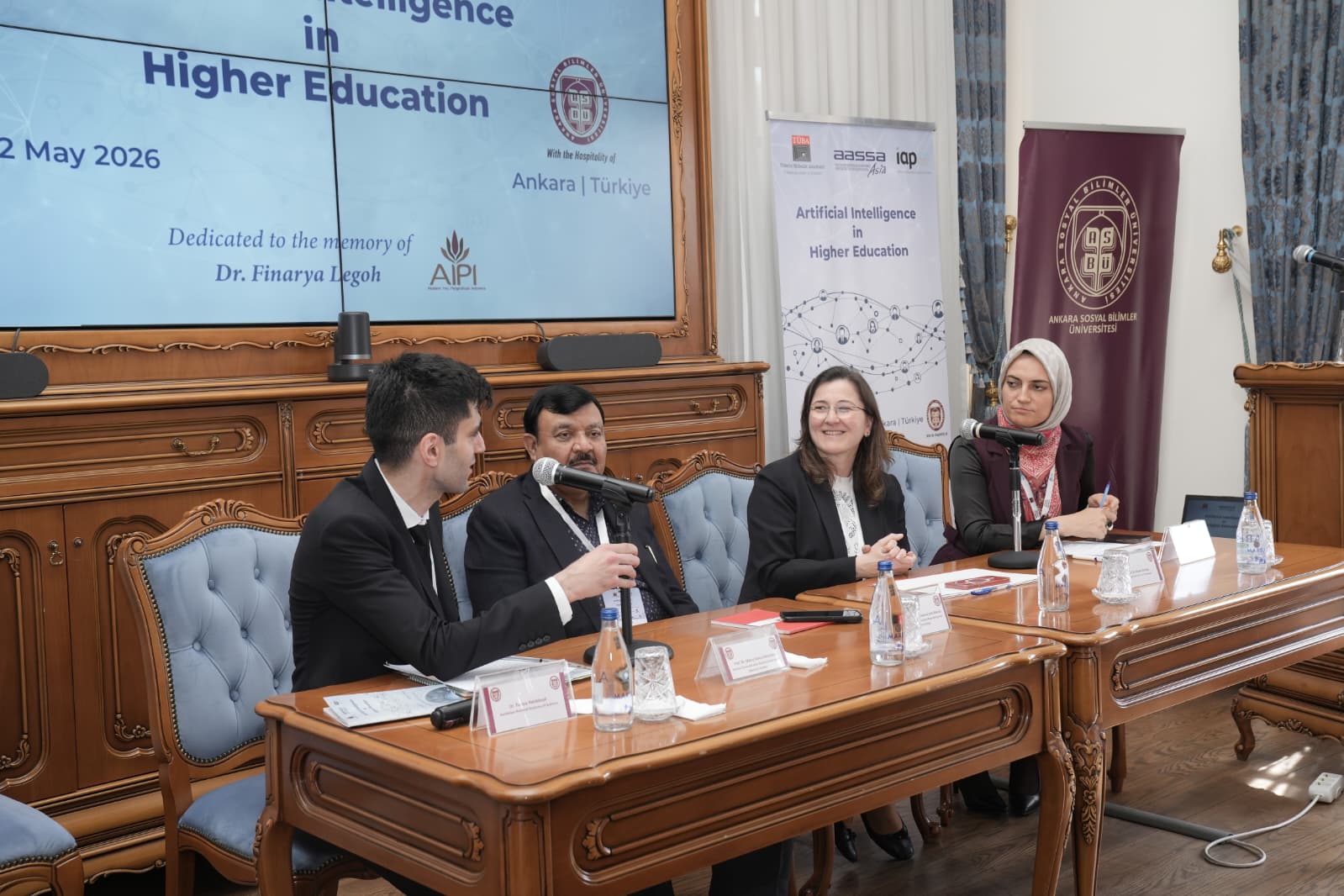
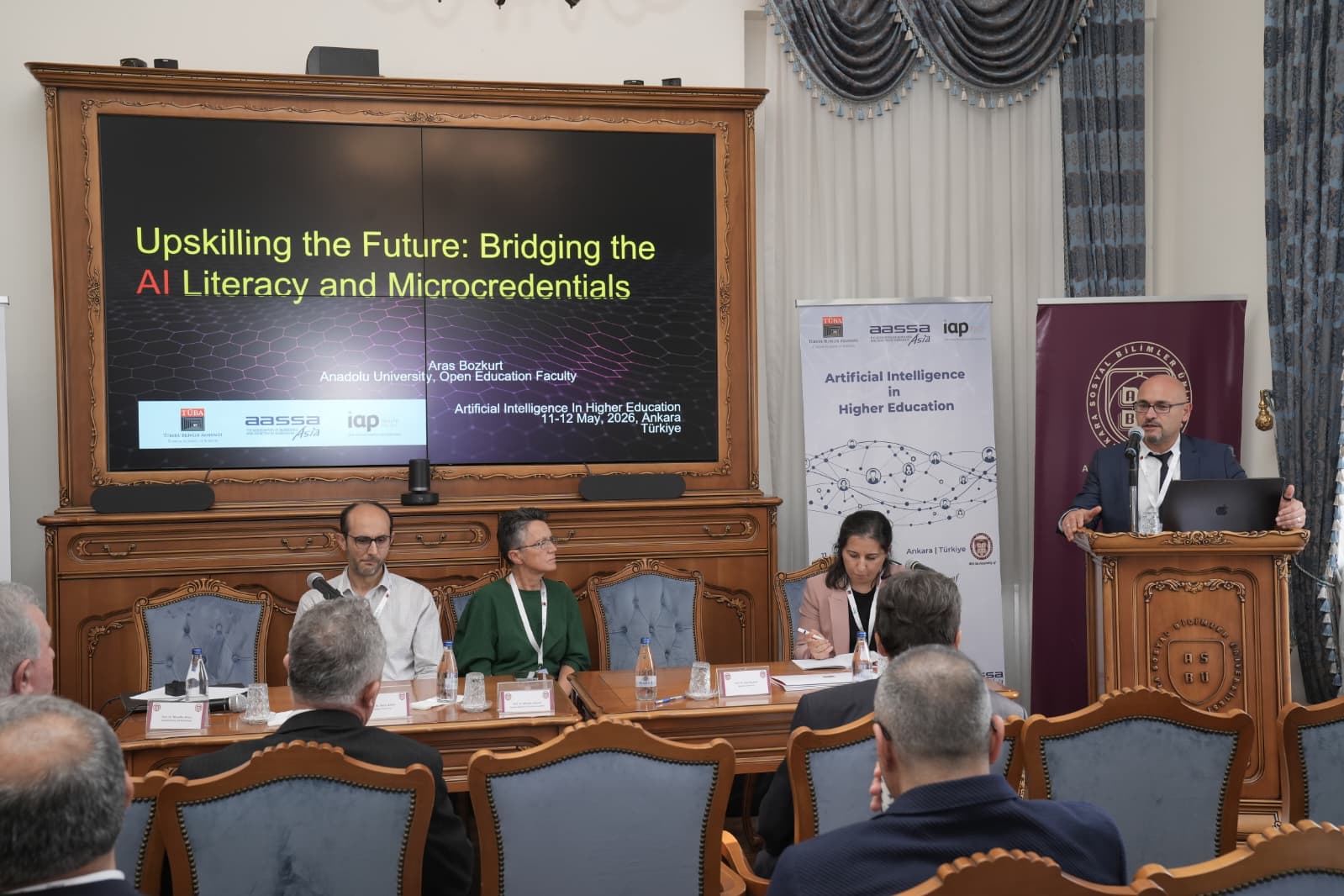
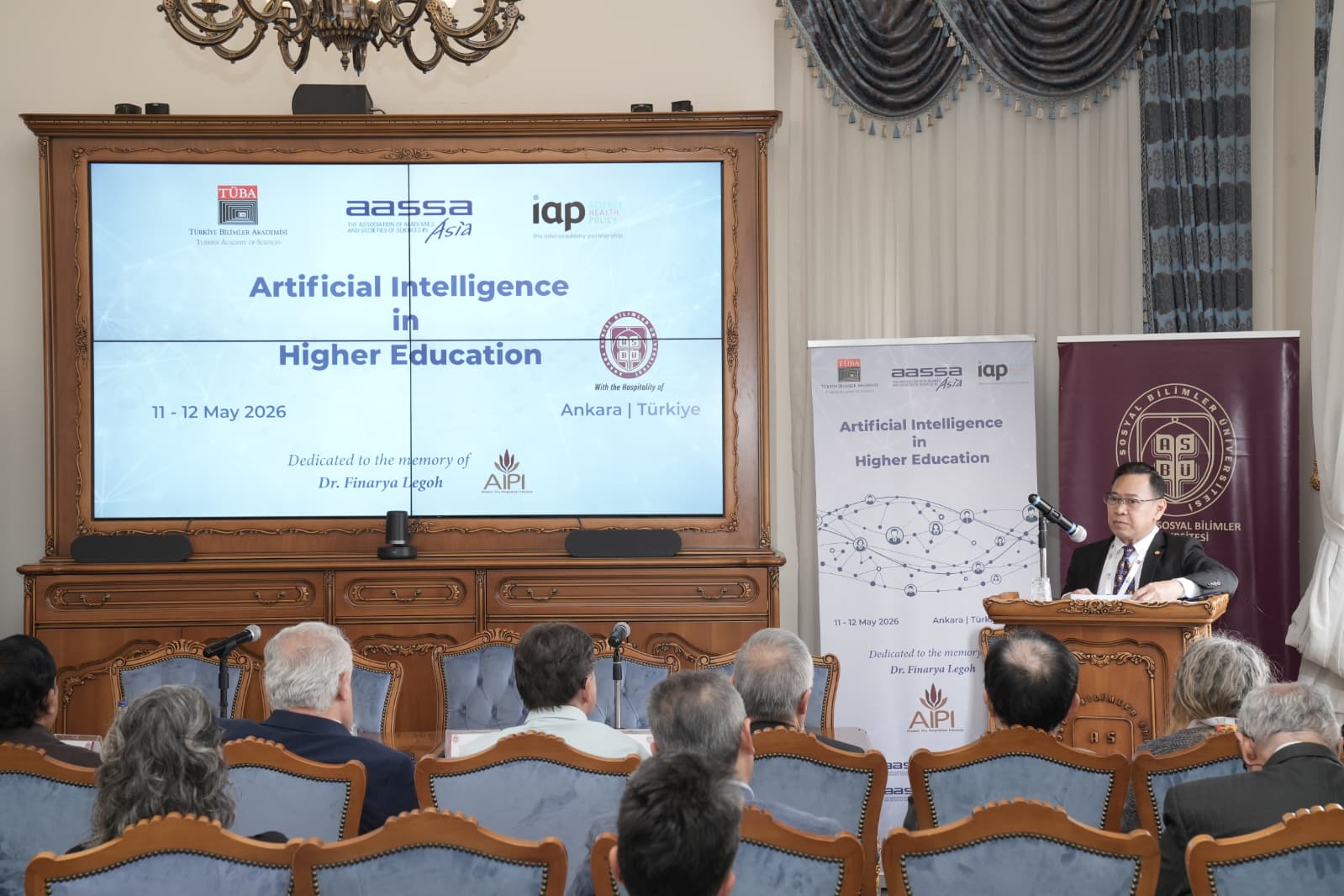
The International Symposium on “Artificial Intelligence in Higher Education,” jointly organized by Turkish Academy of Sciences and The Association of Academies and Societies of Sciences in Asia with the support of InterAcademy Partnership, was held at Ankara Social Sciences University.
Academic representatives, scientists, and researchers from Albania, Azerbaijan, Bangladesh, India, Malaysia, Pakistan, the Philippines, Romania, Serbia, and Türkiye attended the event. Organized to create an international platform by bringing together different disciplines, the symposium was designed to discuss the transformative role of artificial intelligence in higher education and to evaluate collaborative approaches to emerging challenges. Emphasizing interdisciplinary perspectives and regional collaborations to promote the responsible and effective use of artificial intelligence in universities and research institutions, the symposium focused on the symposium addressed various dimensions, including academic collaborations in the Euro-Mediterranean region, the transformation of higher education systems in Asia, the role of artificial intelligence in core scientific fields such as health, agriculture, risk, and environmental studies, as well as national policy perspectives on the integration of artificial intelligence in universities.
Four sessions explored various aspects of artificial intelligence in higher education
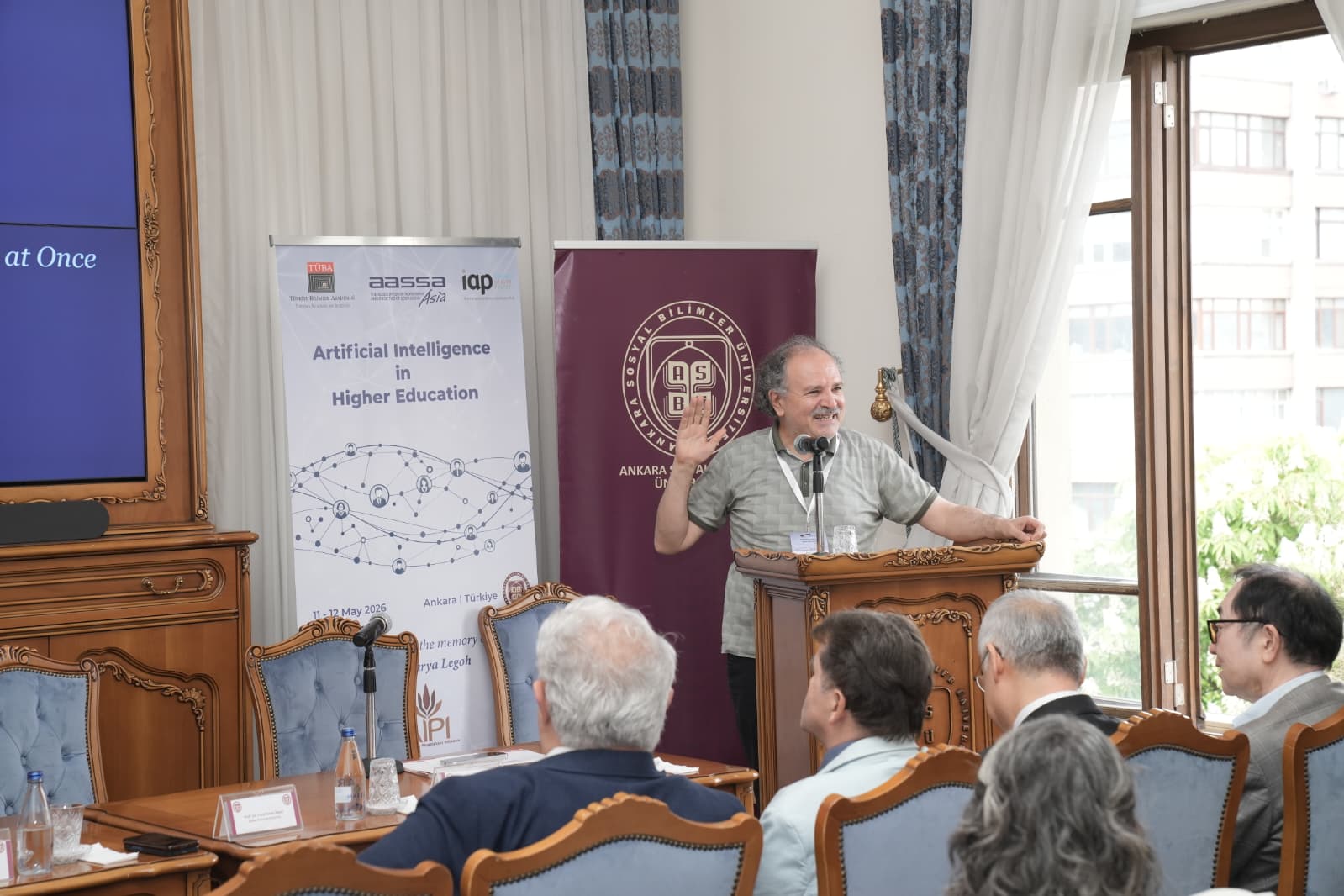
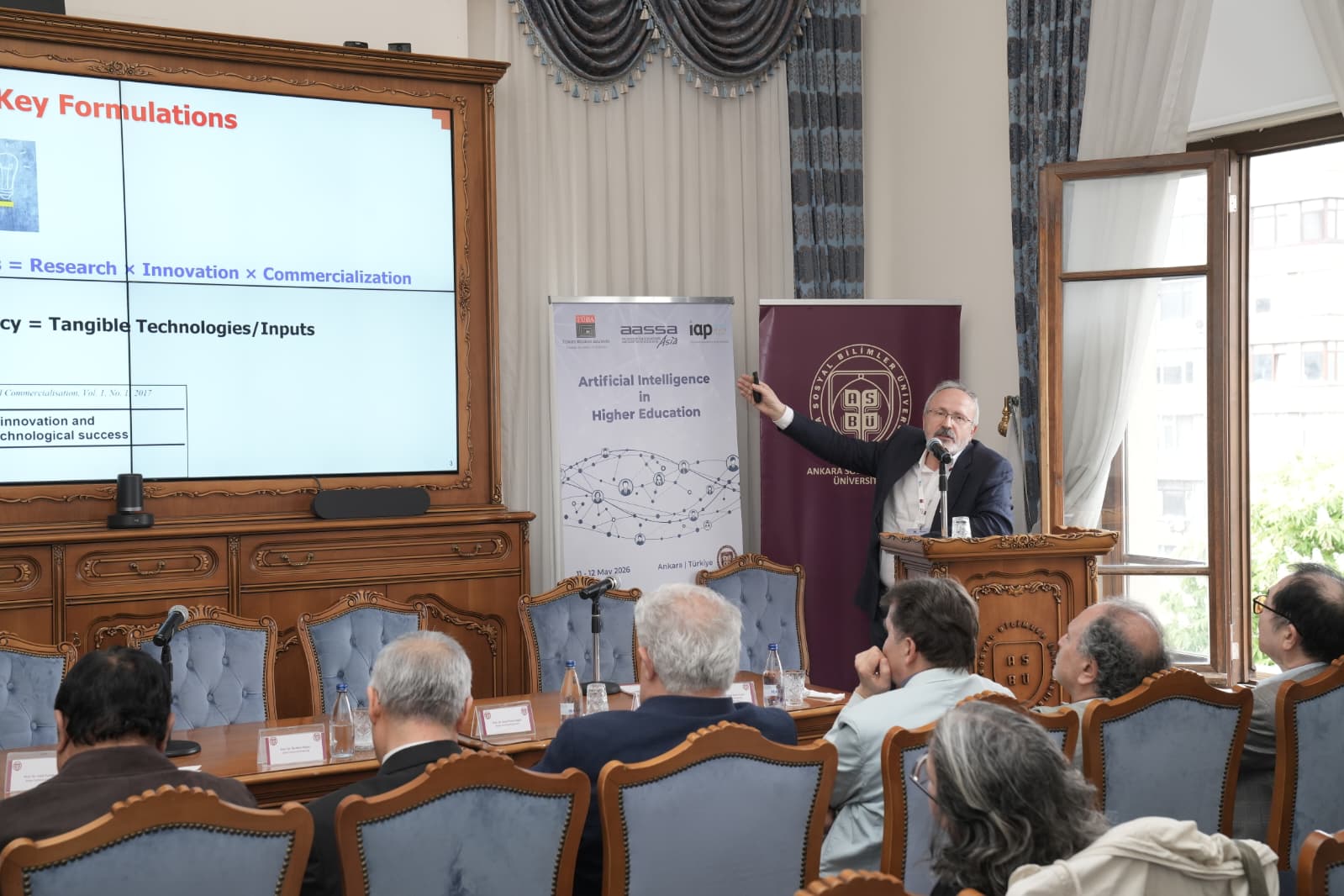
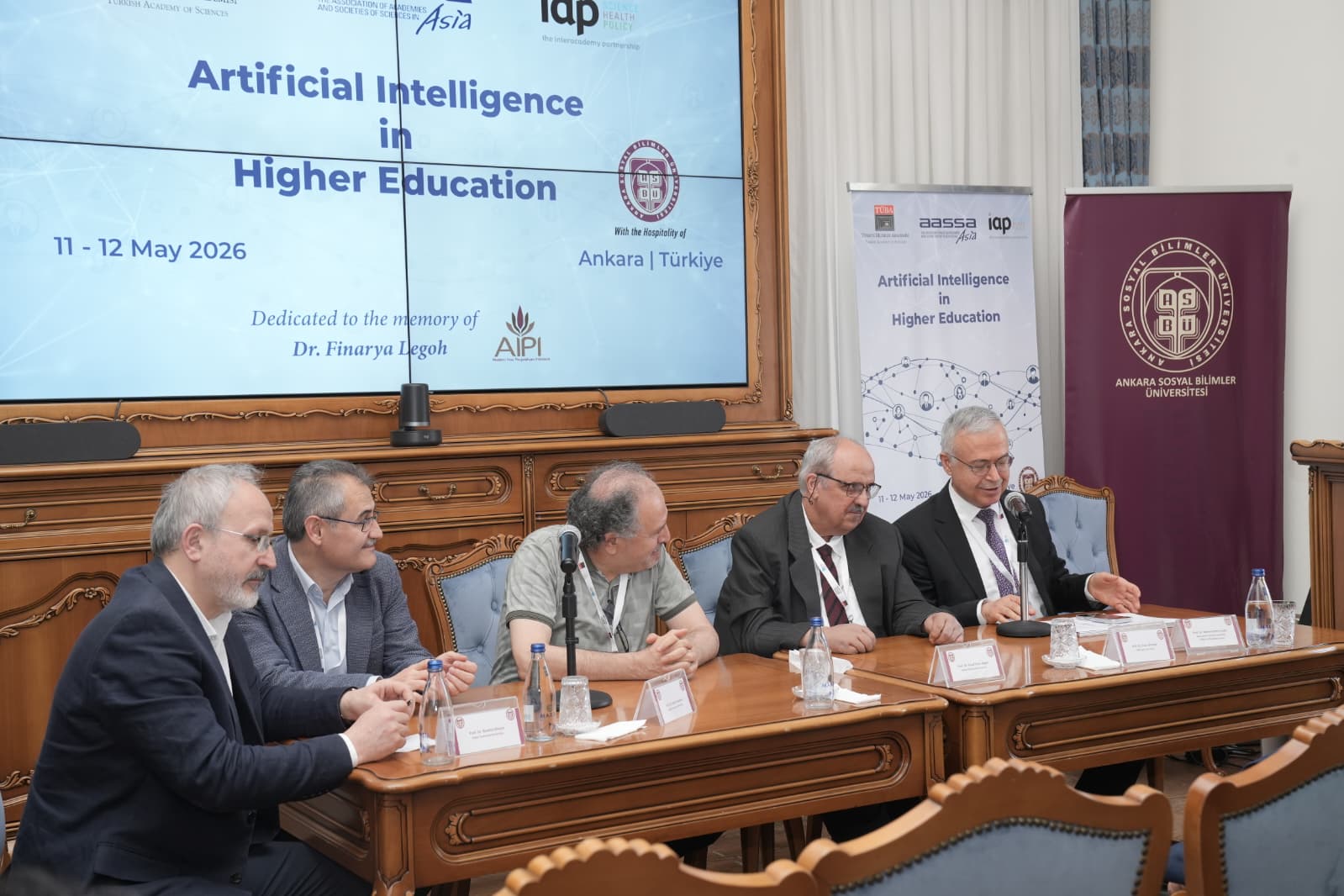
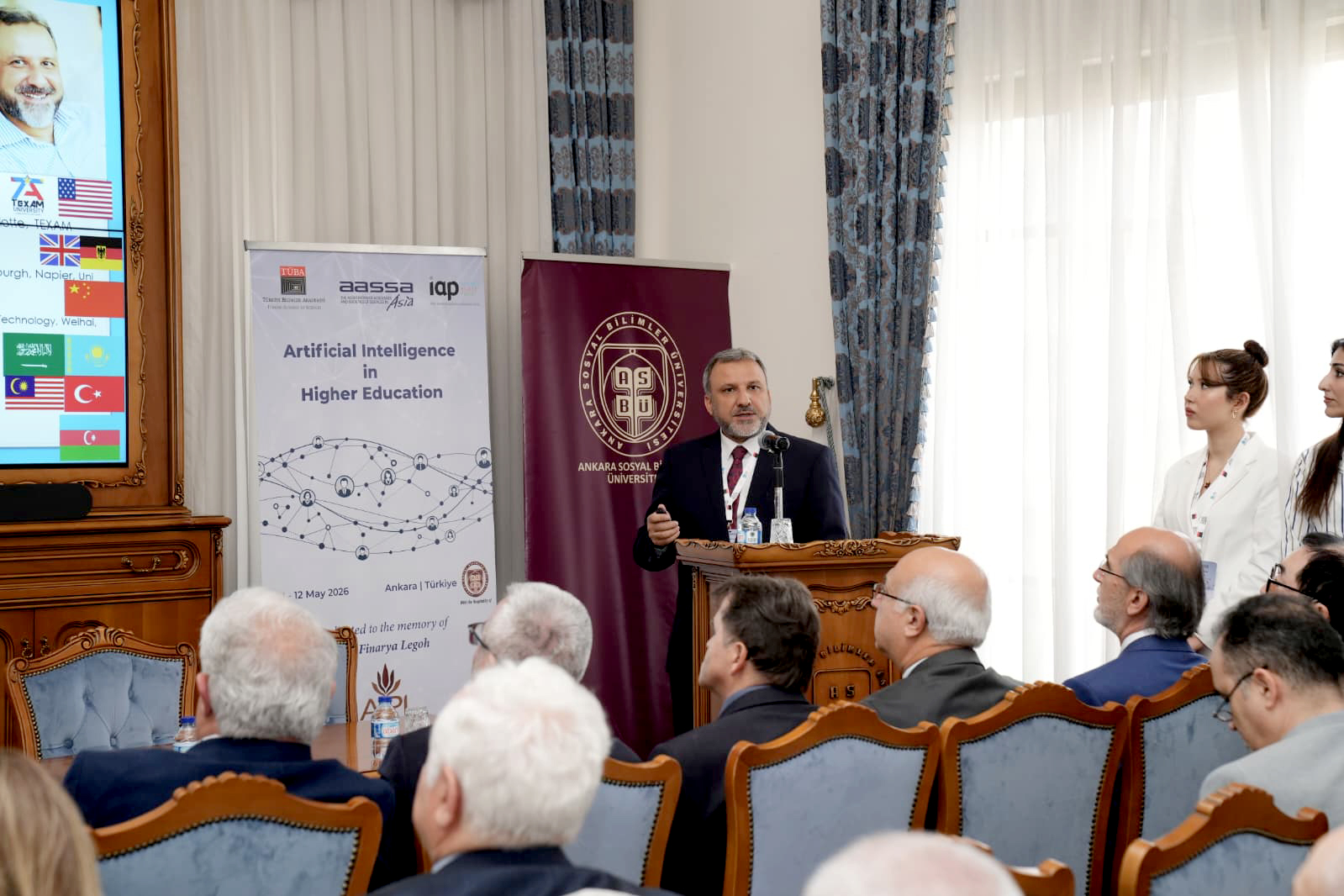
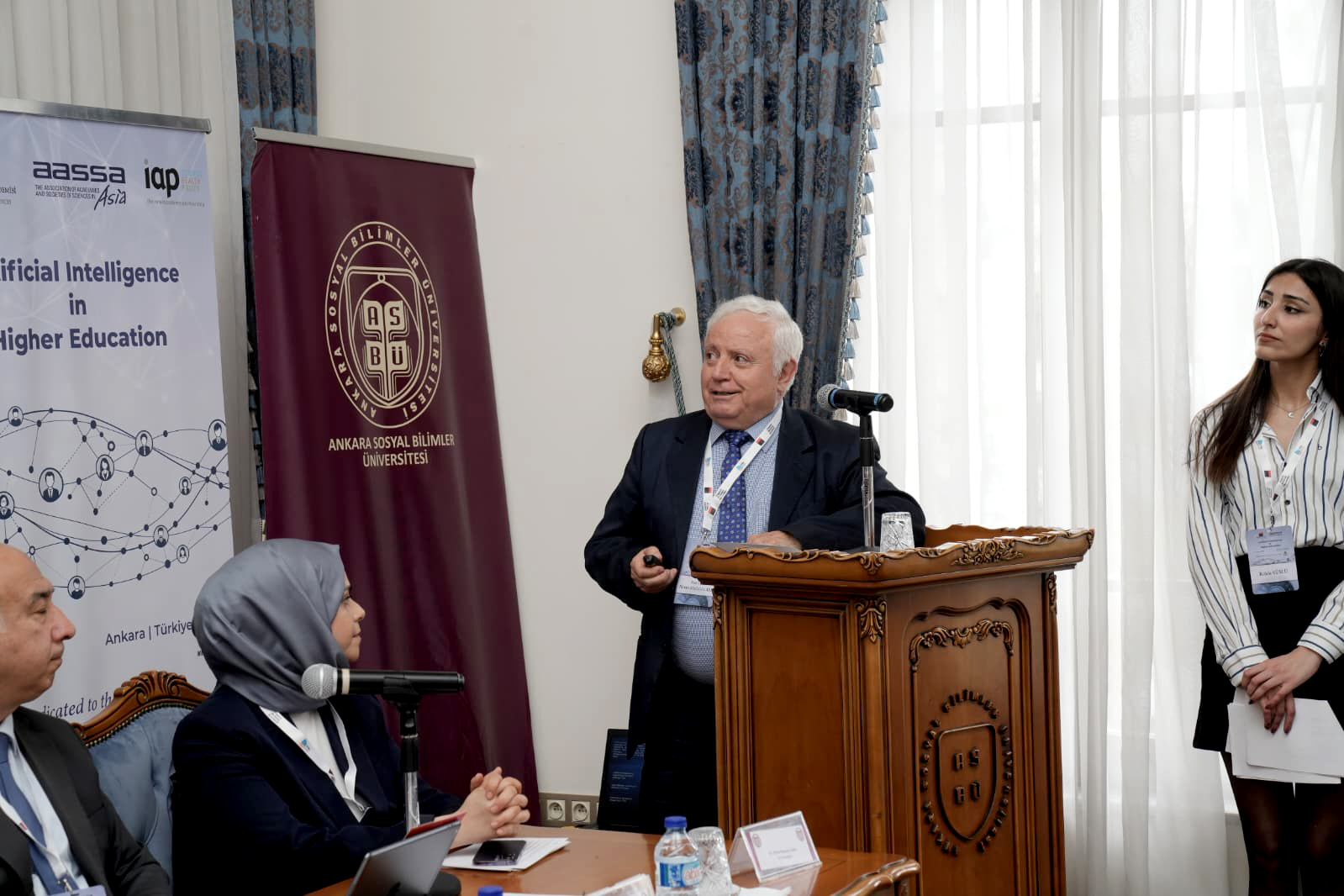
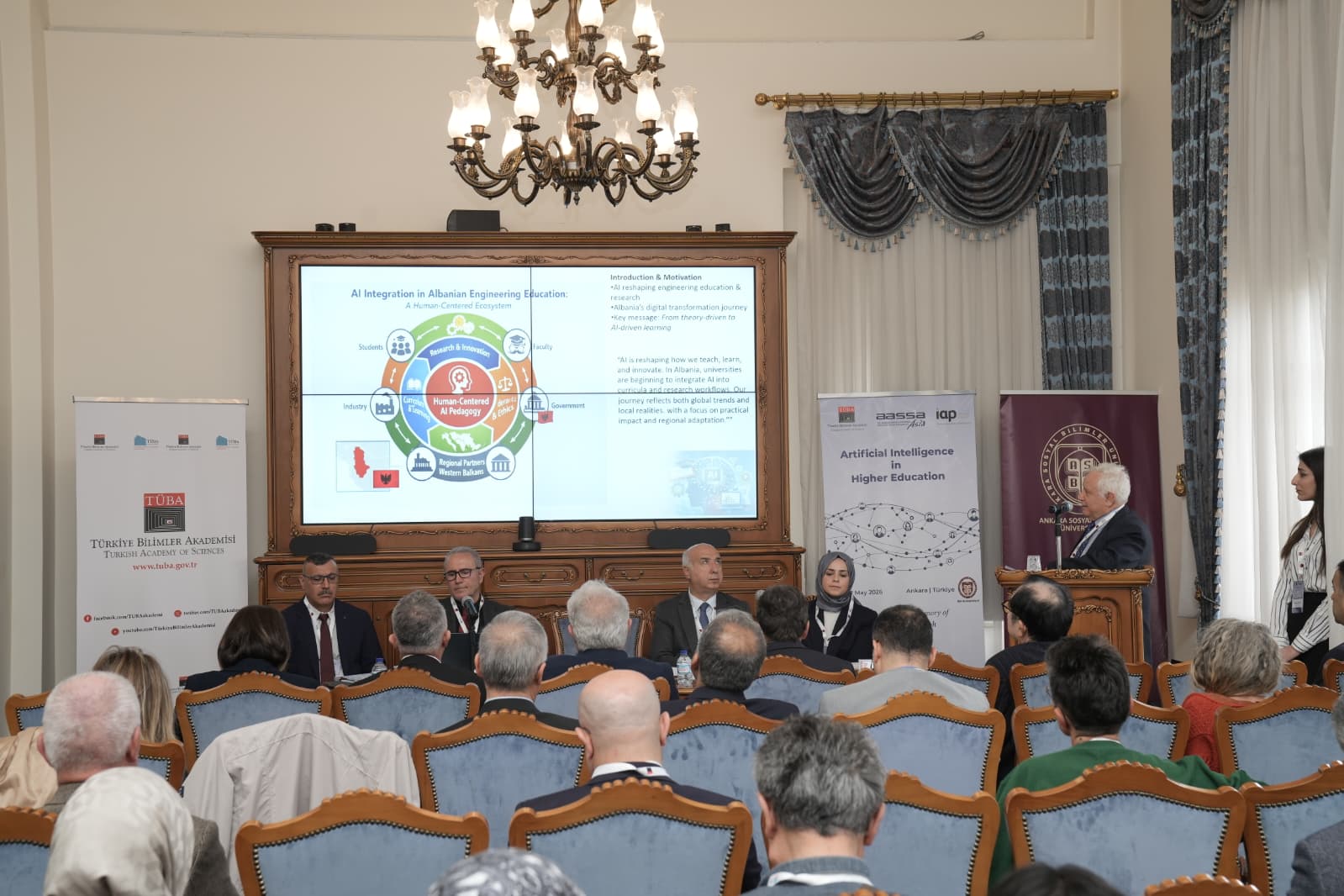
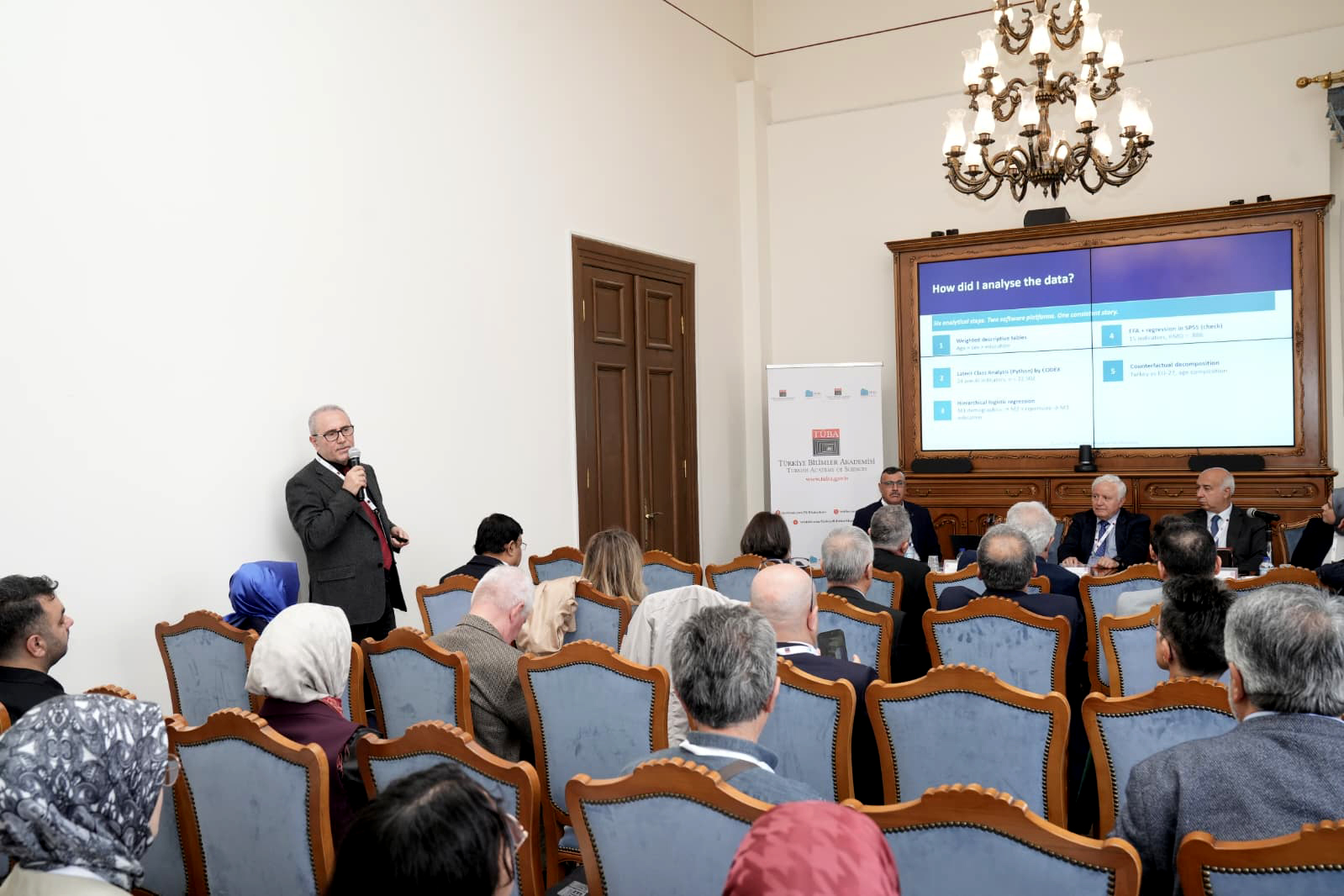
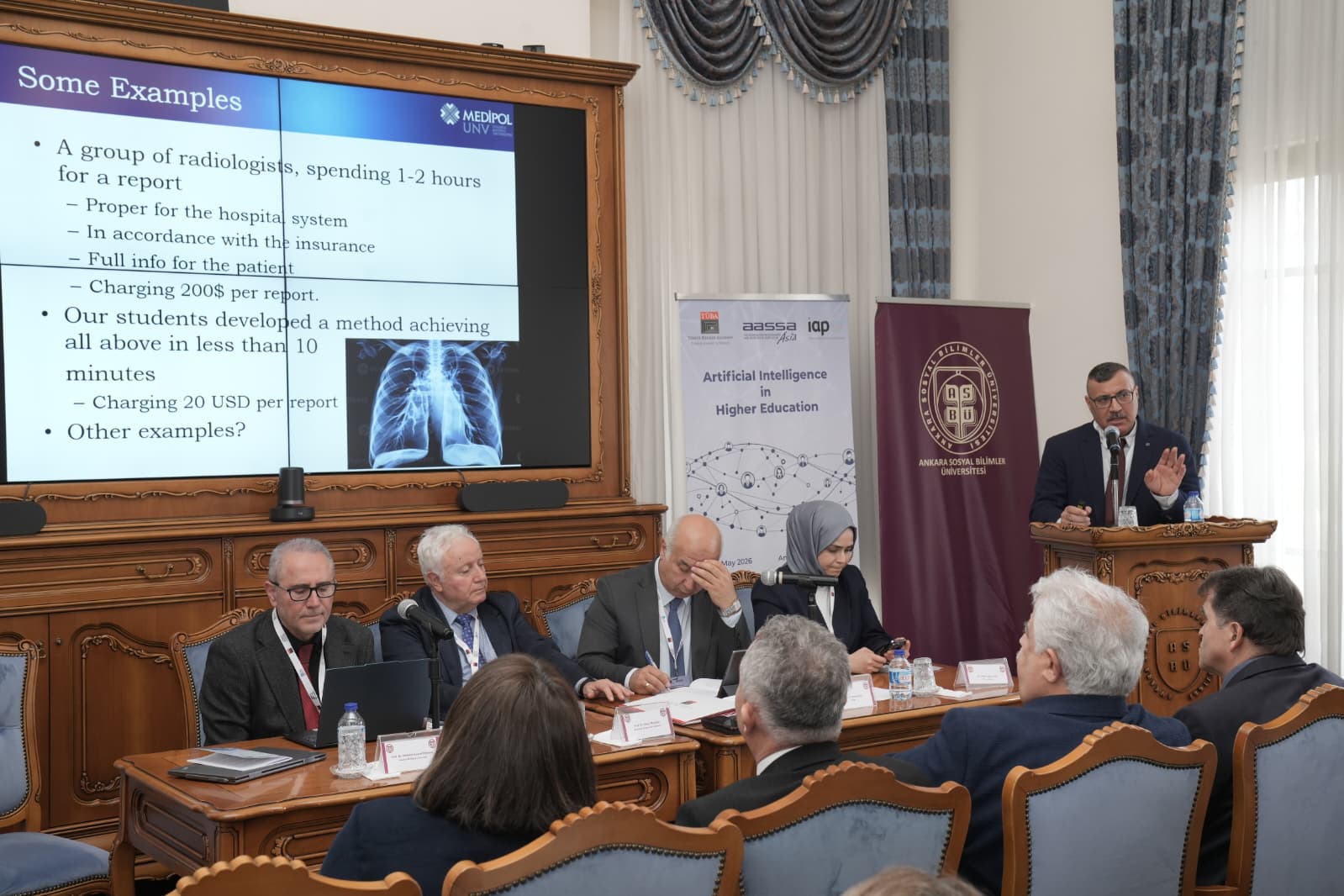
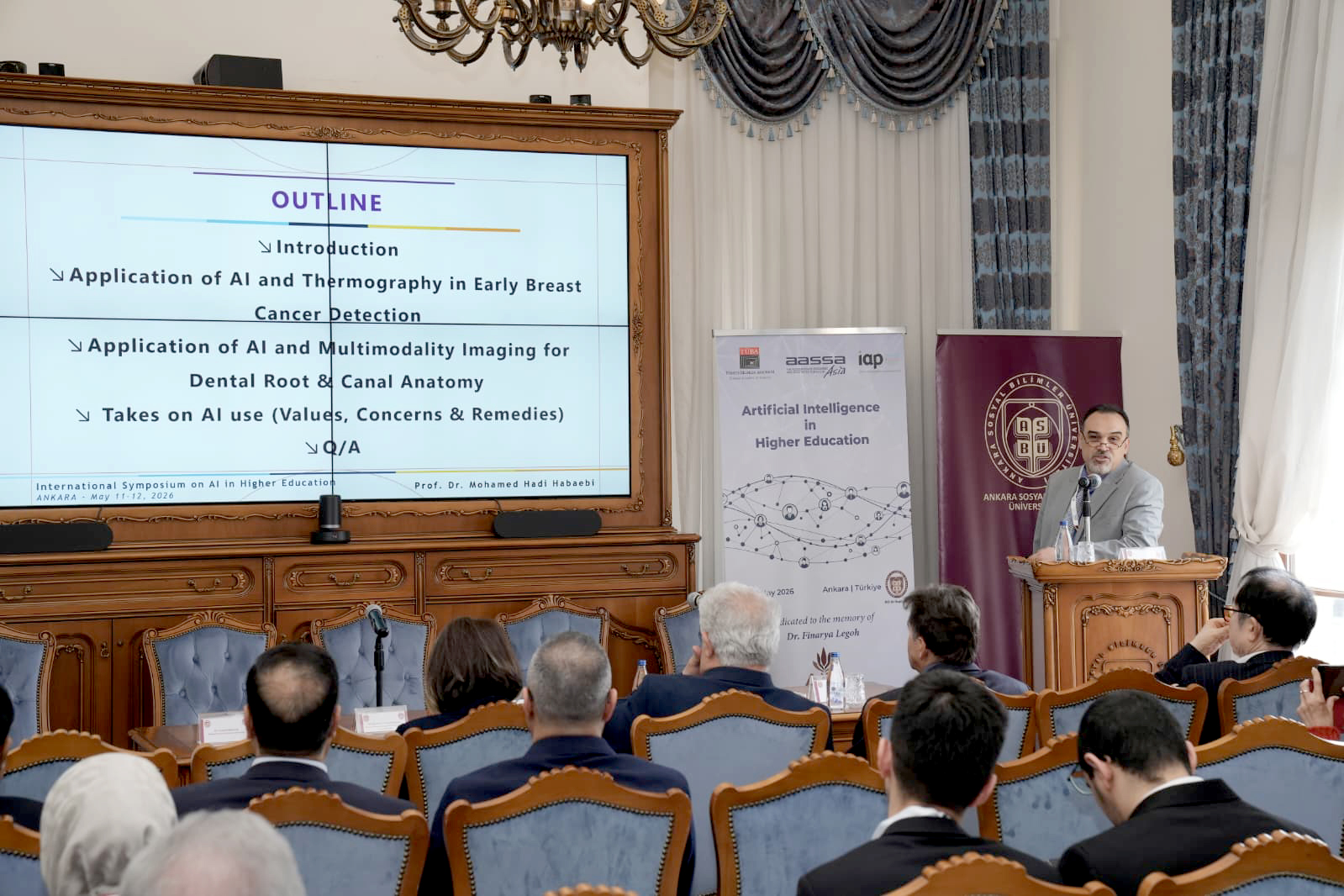
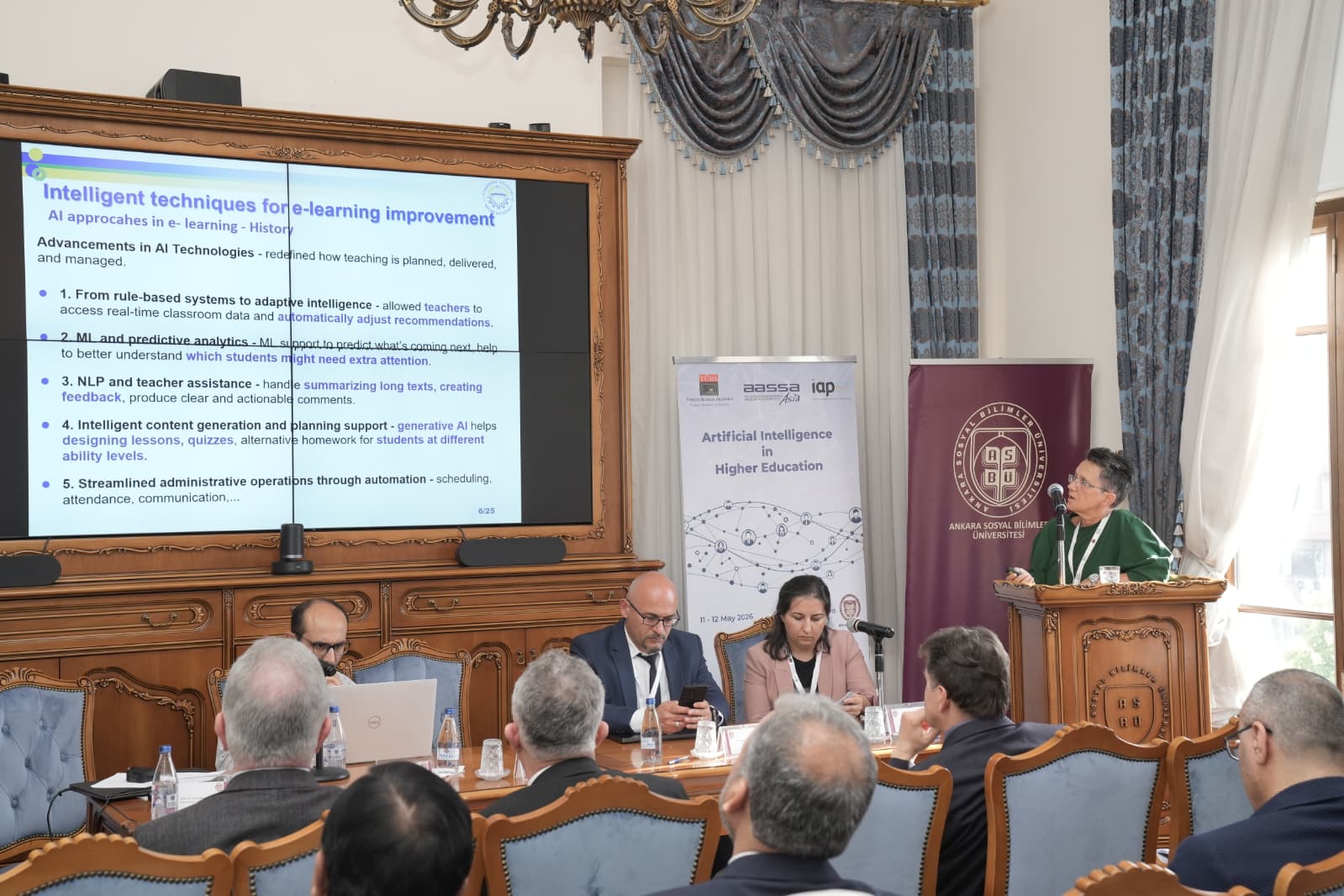
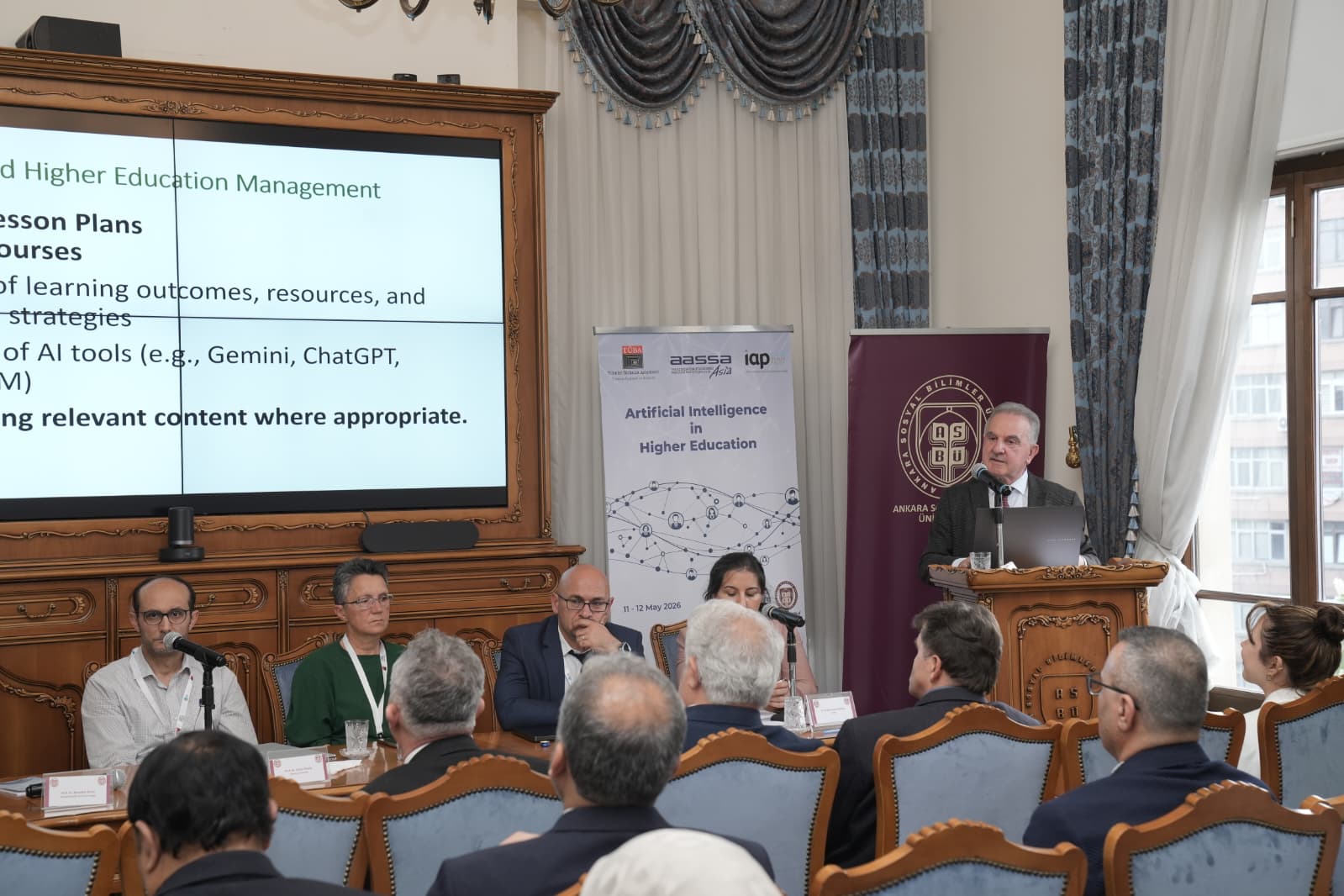
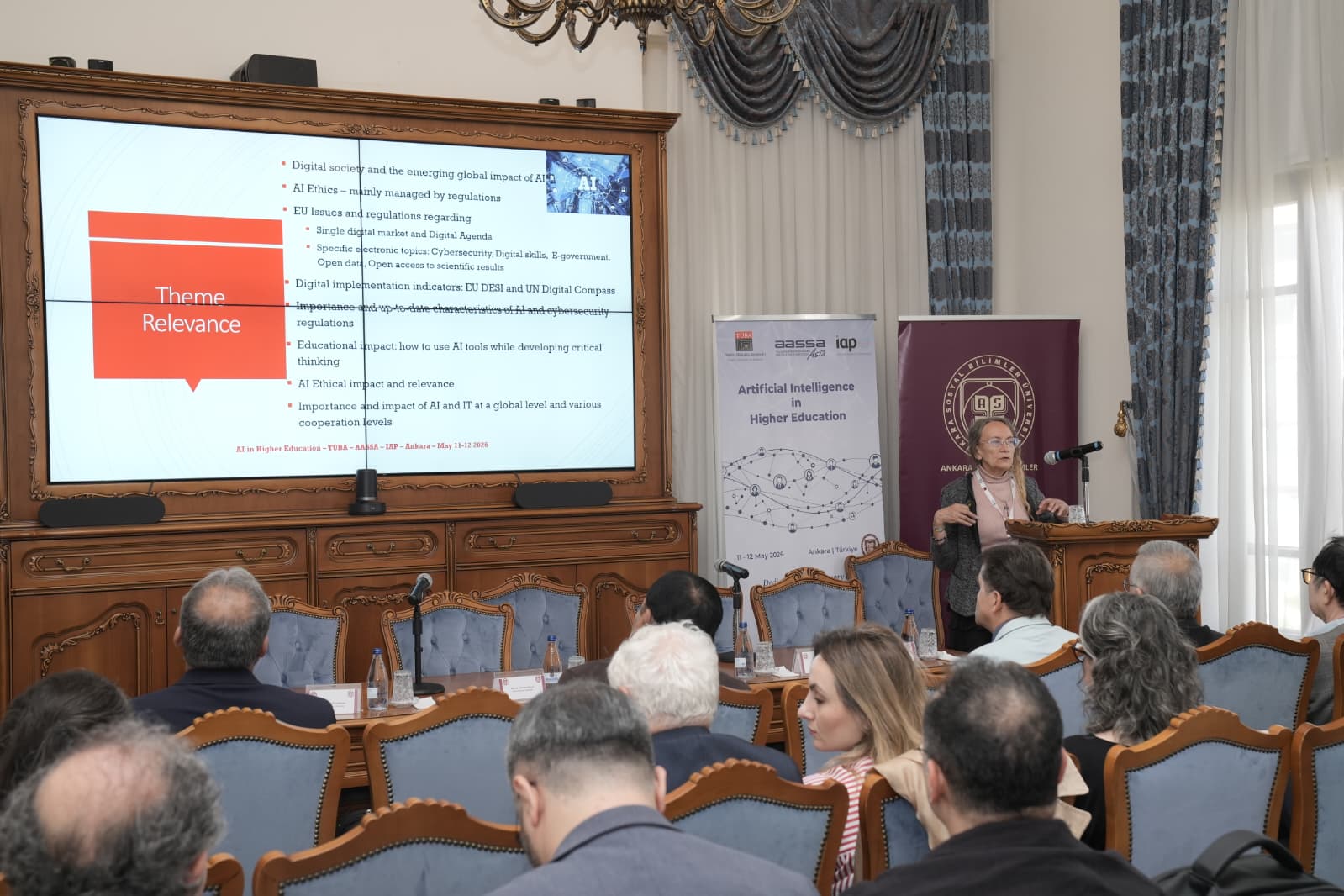
During the two-day symposium, four sessions were held under the titles “Governance, Policies, and Strategic Alignment of Artificial Intelligence in Higher Education,” “Training Artificial Intelligence Experts for the Knowledge Economy,” “Integration of Artificial Intelligence in Universities: Opportunities and Challenges, and Regional and Global Perspectives on Artificial Intelligence in Higher Education. Prof. Dr. Muazzam Khattak from Quaid-i-Azam University in Pakistan presented on “AI-Based Smart Teaching Systems for Students with ADHD and ASD Using Autism Support Technologies,” while Prof. Dr. Mohamed Hadi Habaebi from the International Islamic University of Malaysia spoke on “AI in Health Education and Biomedical Research: Building a Bridge Between Innovation and Clinical Applications,” Assoc. Prof. Dr. Alina Andreica from Babes-Bolyai University in Romania on “Artificial Intelligence Regulations – A Global Perspective,” and Prof. Dr. Alvin B. Culaba from the National Academy of Science and Technology in the Philippines on “The Synergy of Artificial Intelligence and Energy Transitions: A Roadmap for Sustainable Development in the Philippines.” The opening remarks of the symposium were delivered by TÜBA President Prof. Dr. Muzaffer Şeker and TÜBA Full Member and AASSA President Prof. Dr. Ahmet Nuri Yurdusev.
“Artificial Intelligence: The Transformative Force of the New Era”
In his speech, Muzaffer Şeker stated that artificial intelligence is no longer merely a technological advancement confined to laboratories or industry; rather, it has become a transformative force reshaping societies, economies, governance structures, and, in particular, education systems. Prof. Dr. Şeker: “Universities and higher education institutions are at the center of this rapid transformation. These institutions are not merely structures that adapt to new technologies; they also bear the responsibility of guiding the ethical, responsible, and beneficial use of these technologies for humanity. Artificial intelligence stands out as the transformative force of this era, and we need to examine in detail both the opportunities and the challenges it brings to higher education. In this symposium, we are addressing the topics of technology and its transformation through a multidisciplinary lens. “The program features sessions on AI-supported learning environments, governance and ethical dimensions, scientific discovery processes through data-intensive systems, AI literacy, accreditation, infrastructure, and the future of academic research and knowledge production, all conducted with the participation of experts in their fields,” he said.
Noting that participation from different countries has further enriched the discussions, Şeker emphasized that the future of artificial intelligence in education is an area requiring global-scale shared responsibility and collaboration.
“The human aspect of science must not be forgotten”
Noting that the human aspect of science and the importance of international cooperation must not be overlooked when discussing scientific and technological advancements, Şeker also paid tribute to Dr. Finarya Legoh, a member of the Indonesian Academy of Sciences who passed away earlier this year, highlighting Legoh’s significant contributions to science communication, international cooperation, and AASSA activities.
AASSA President Prof. Dr. Ahmet Nuri Yurdusev noted that, like any technology, artificial intelligence technologies have significant impacts on society, and he pointed out that artificial intelligence also has its pros and cons.
.jpeg)
.jpeg)
.jpeg)