

Building a Resilient Future by Looking Ahead with What We Have Learned from Tradition
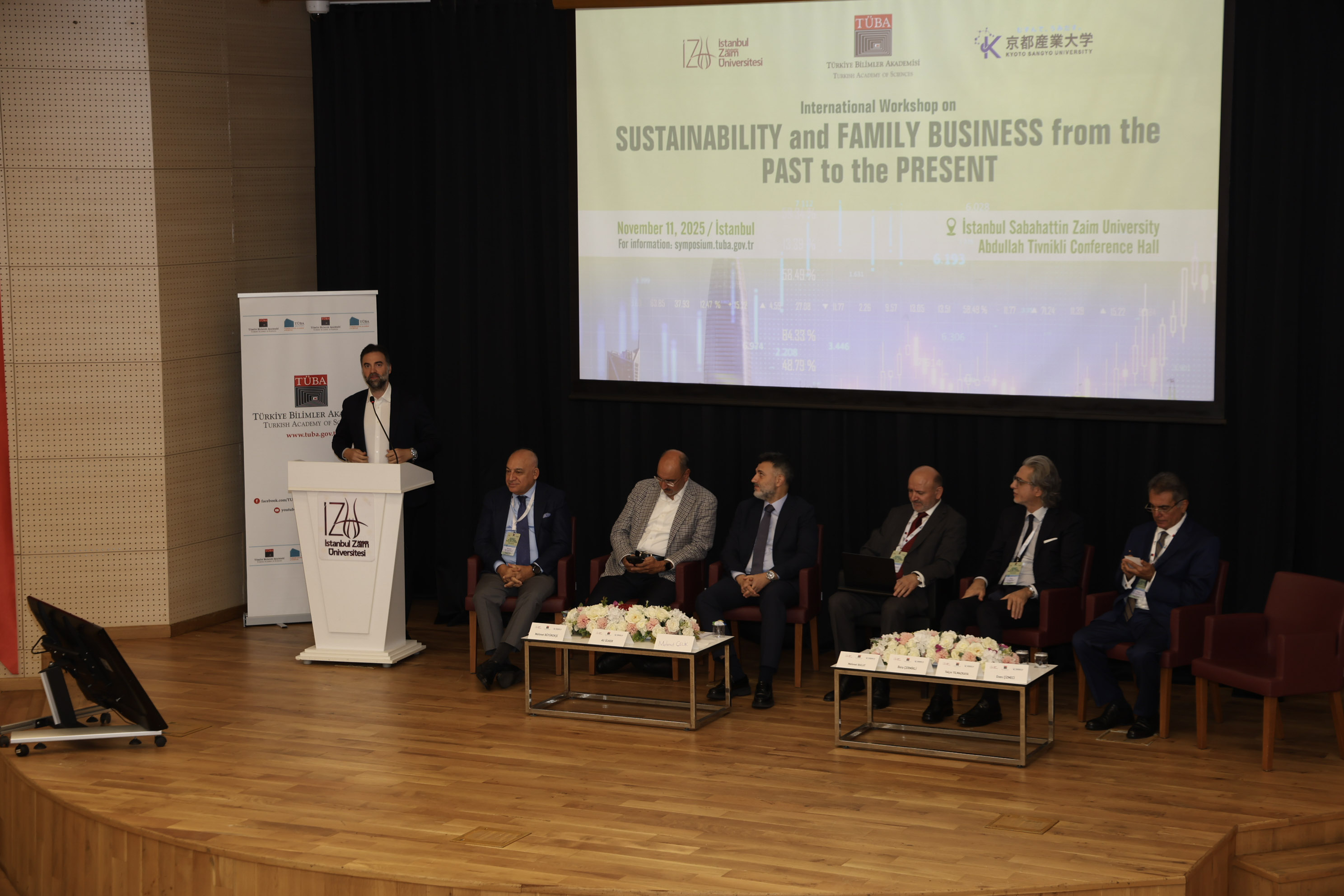
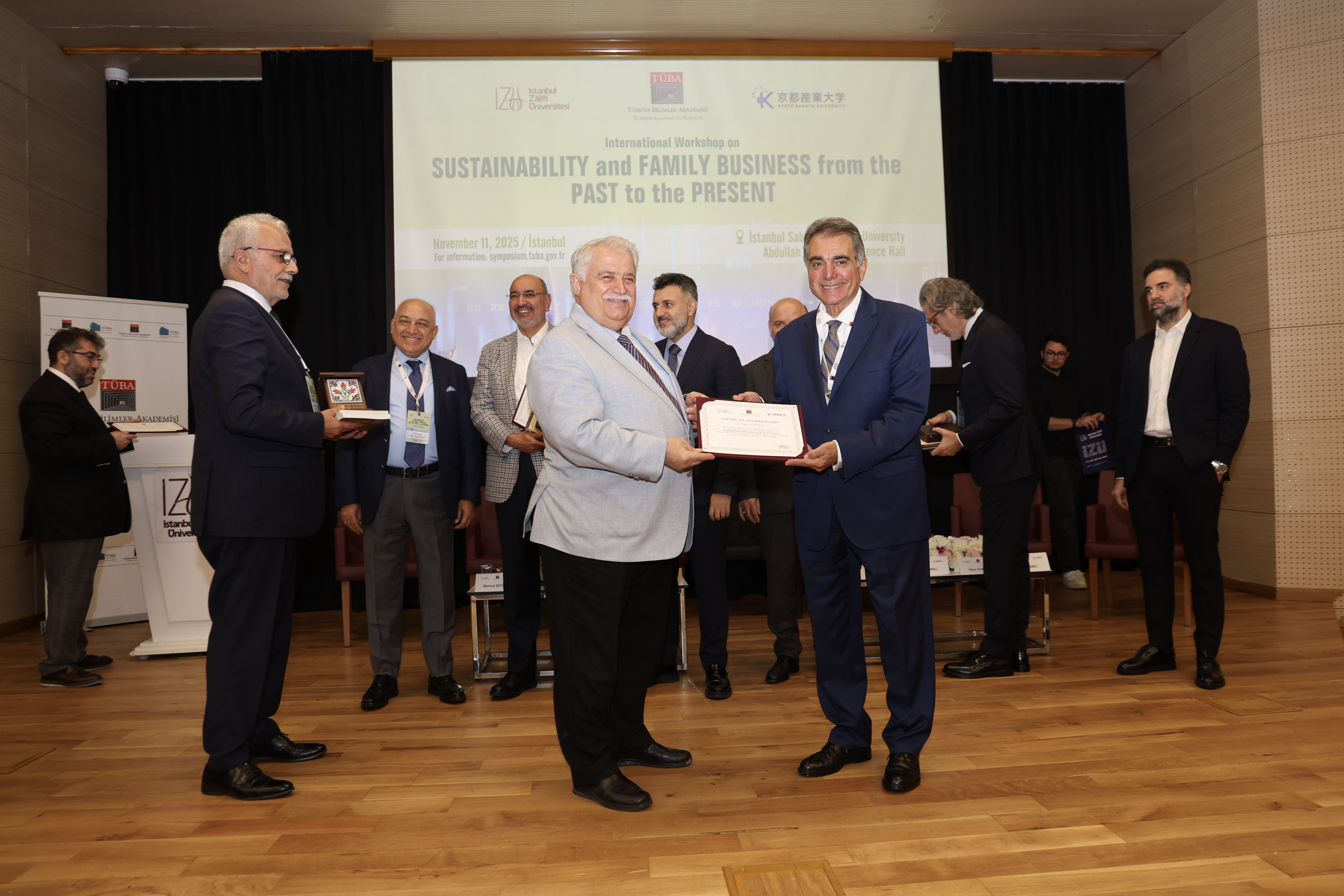
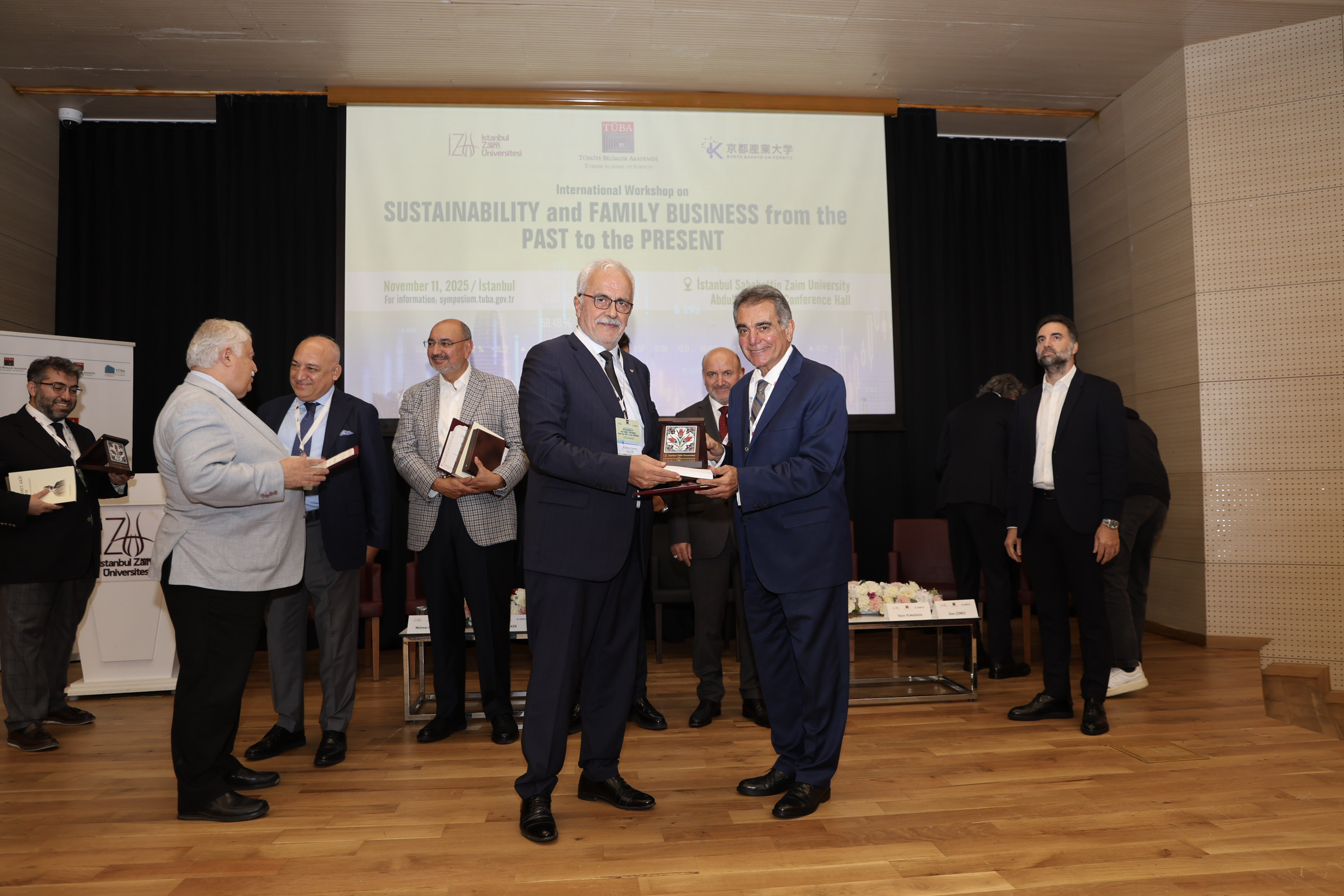
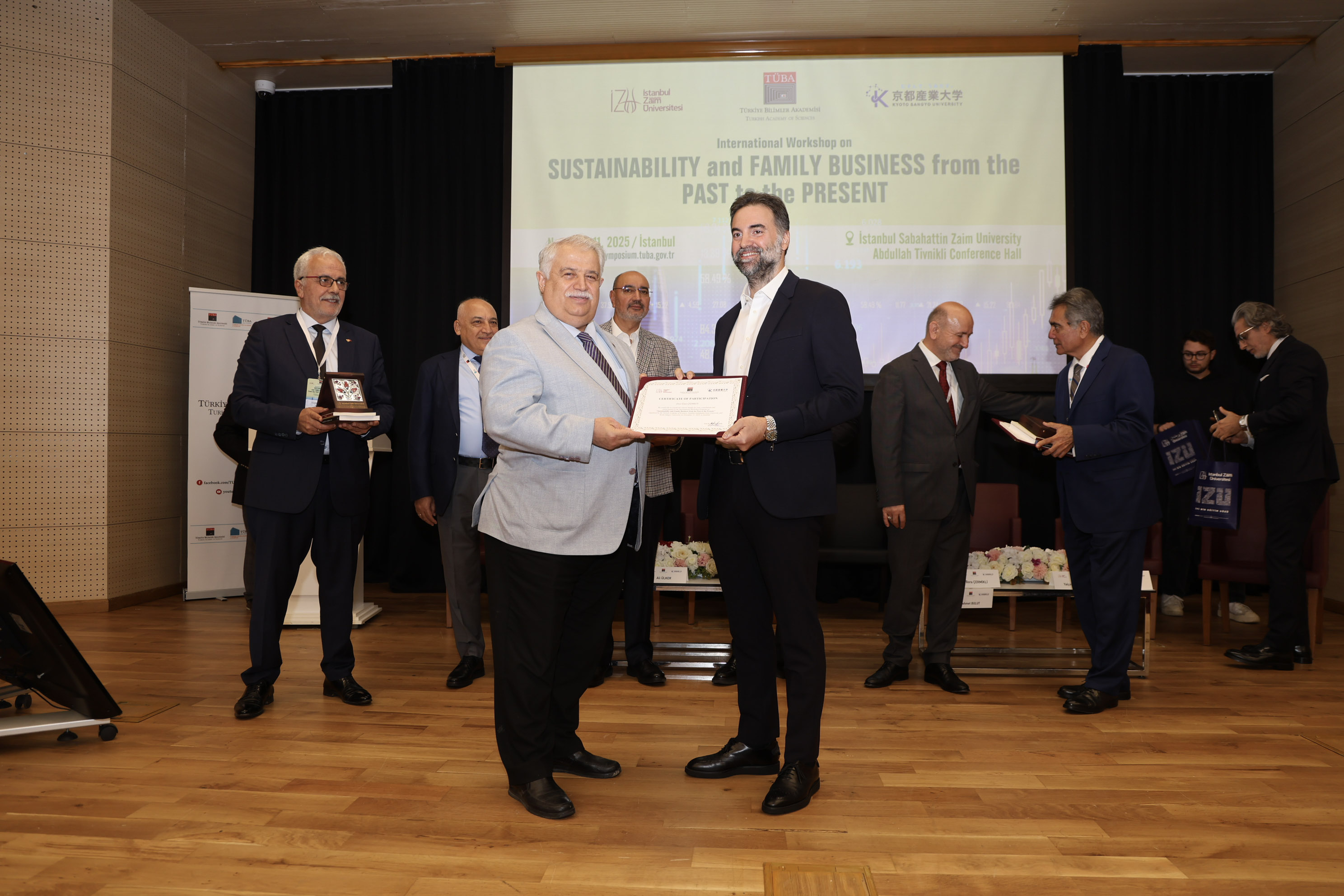
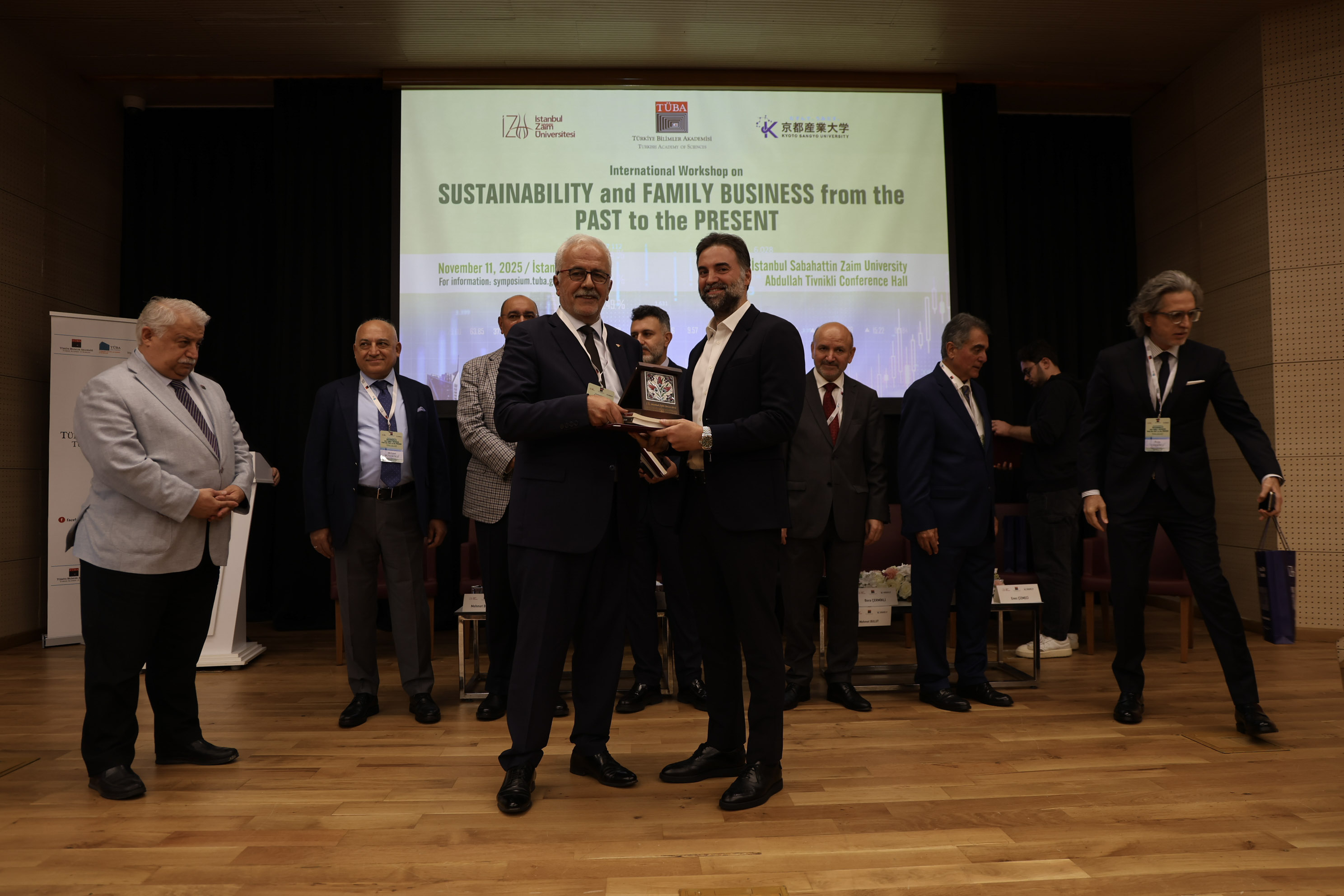
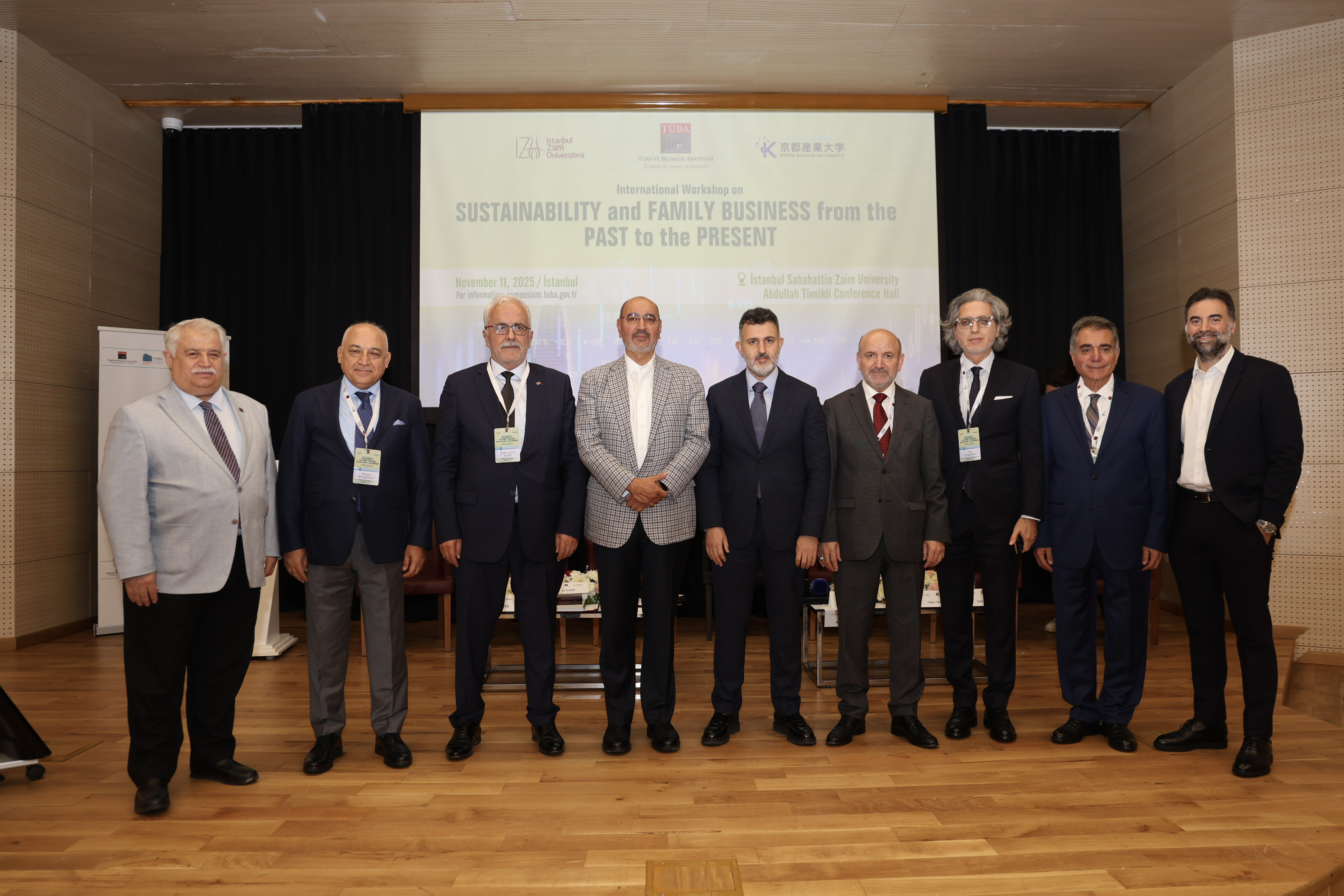
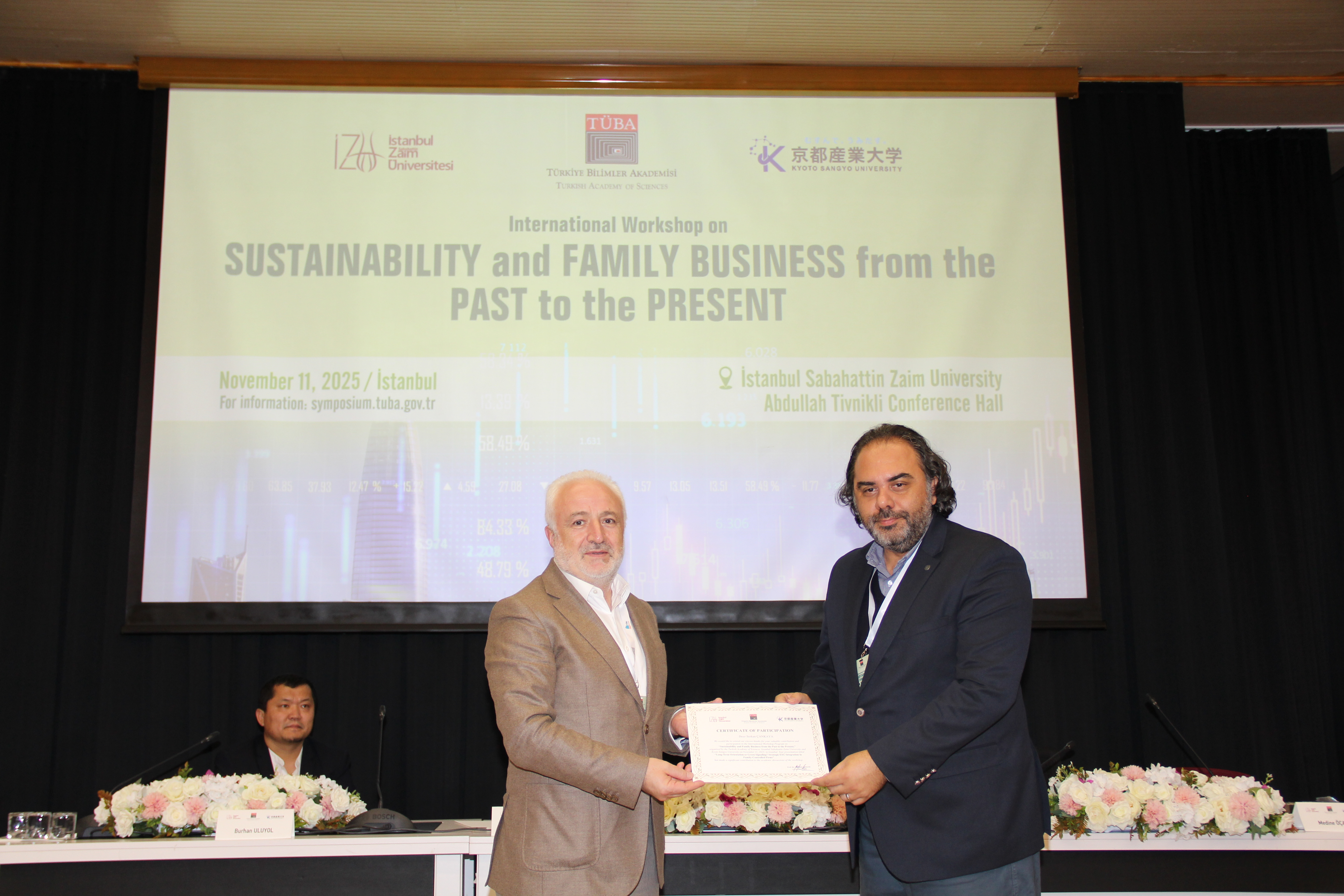
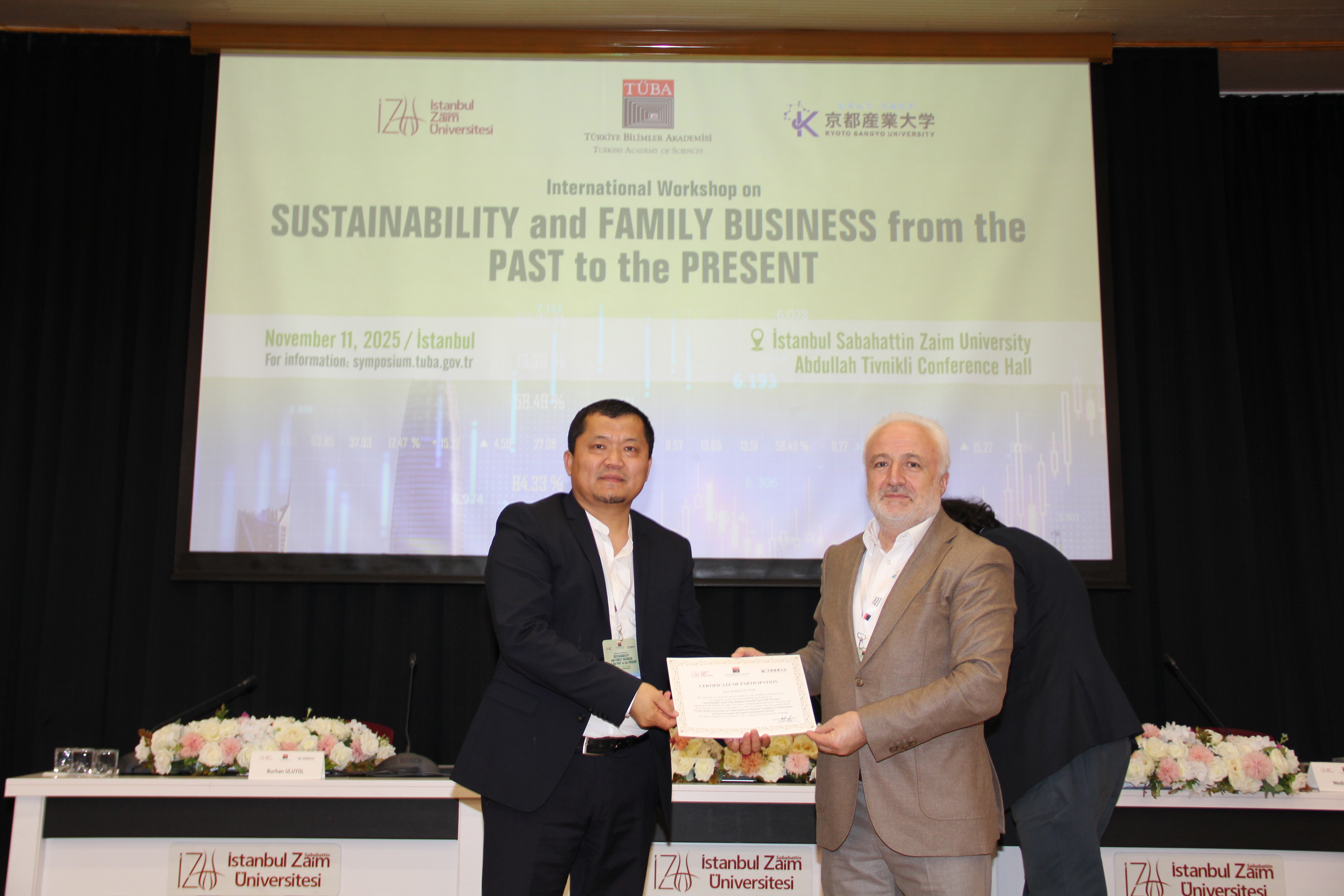
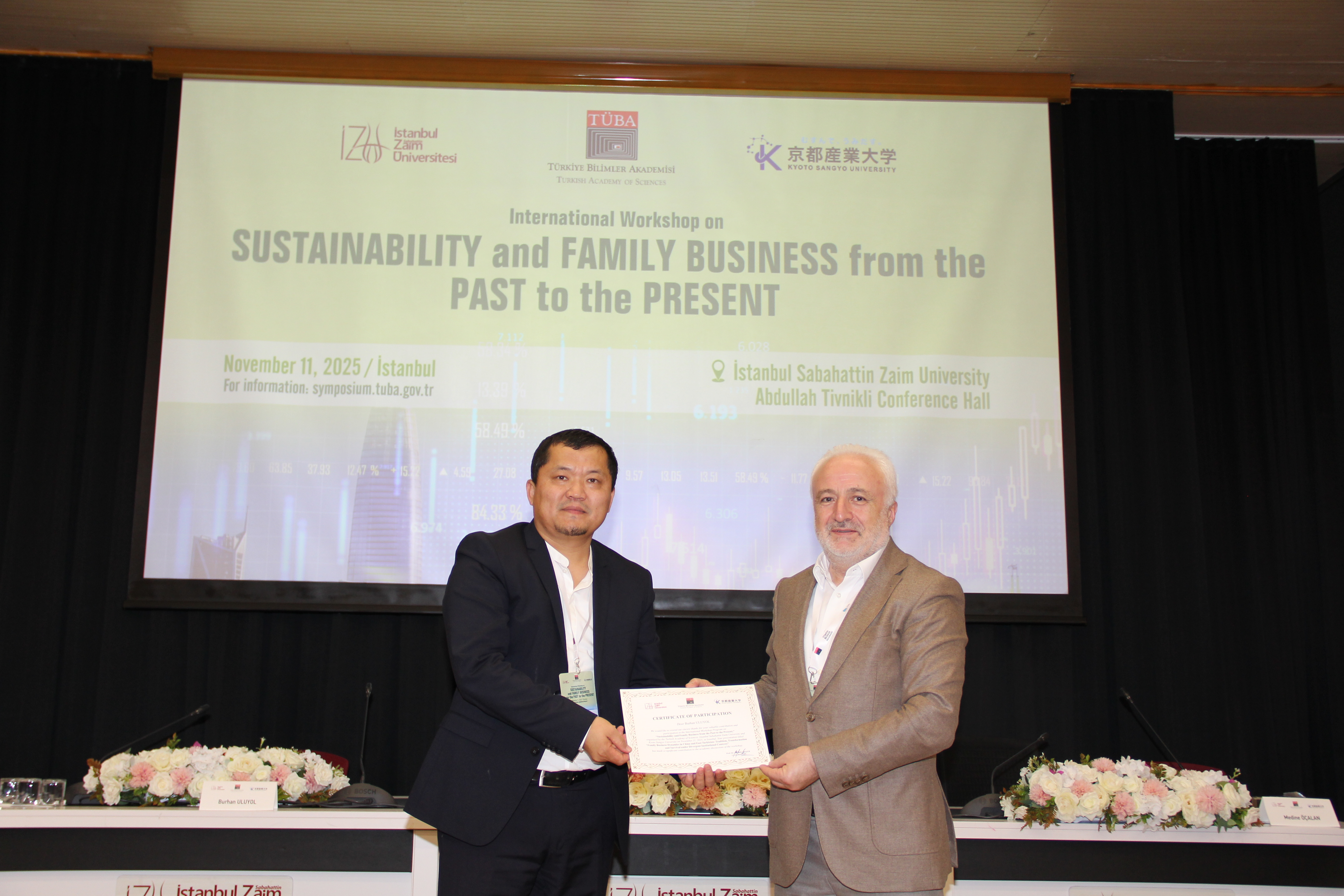
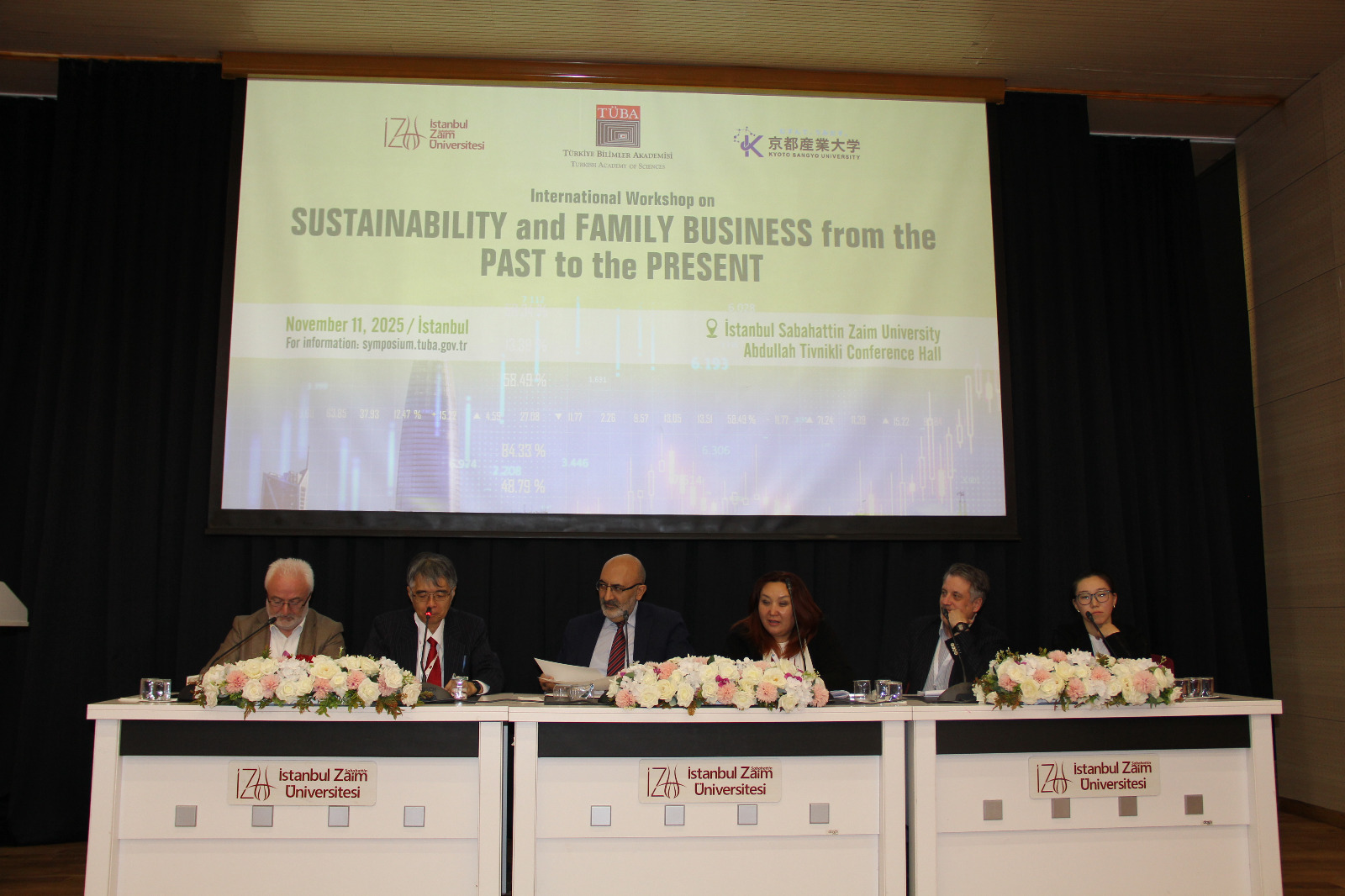
The International Workshop titled “Sustainability and Family Business from the Past to the Present” was organized by the TÜBA-Sustainable Development and Finance Working Group in collaboration with Istanbul Sabahattin Zaim University (IZU) and Kyoto Sangyo University.
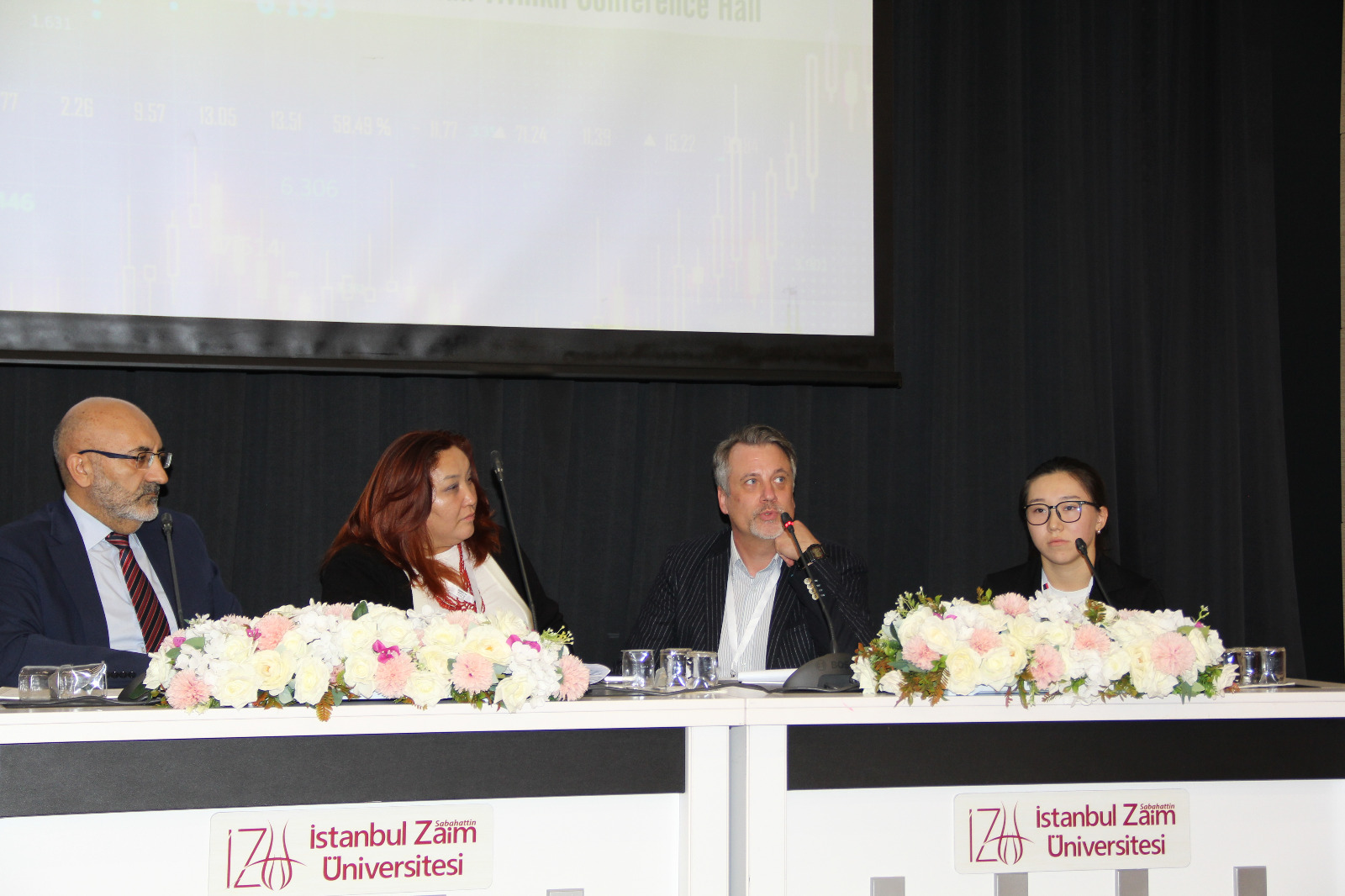
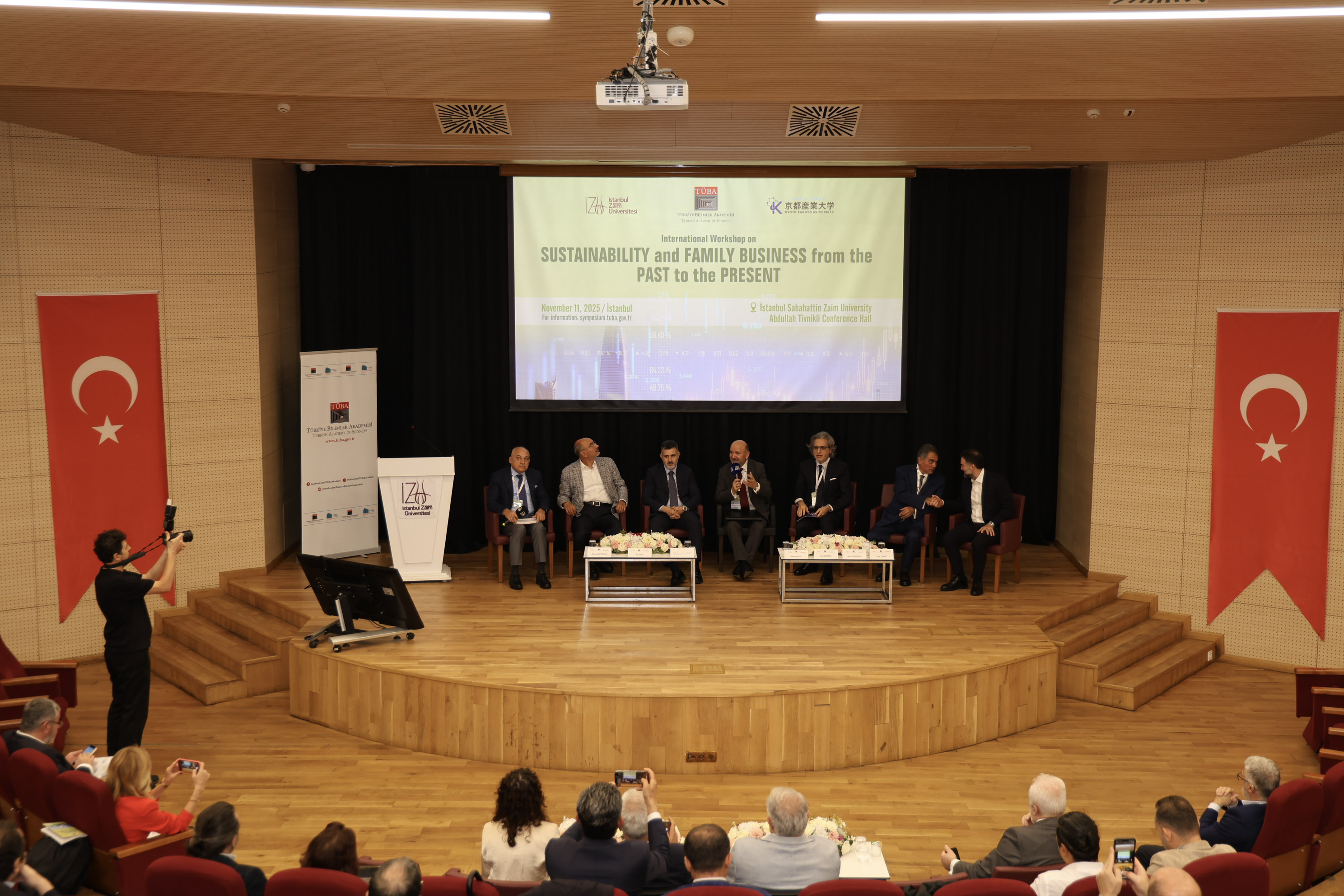
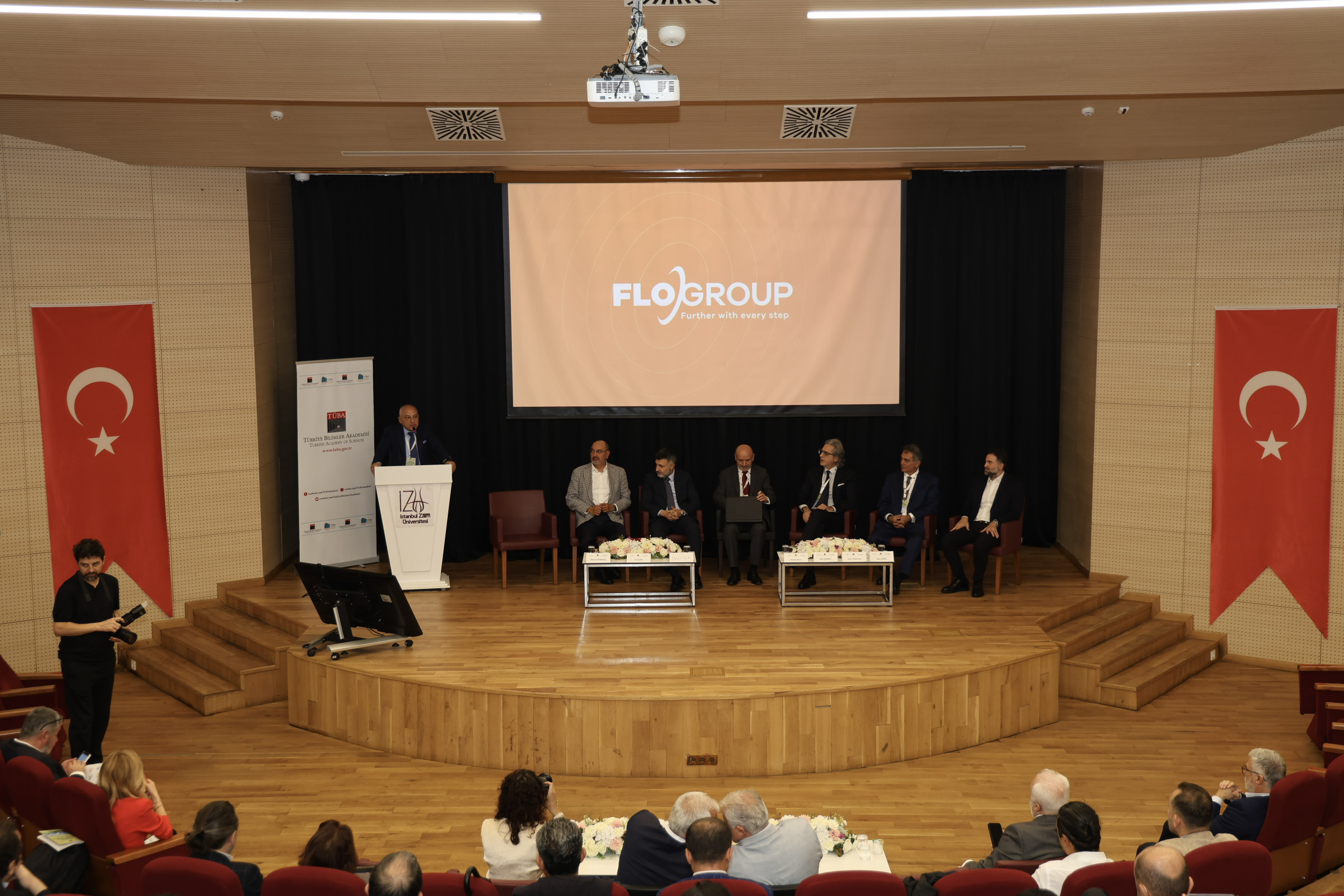
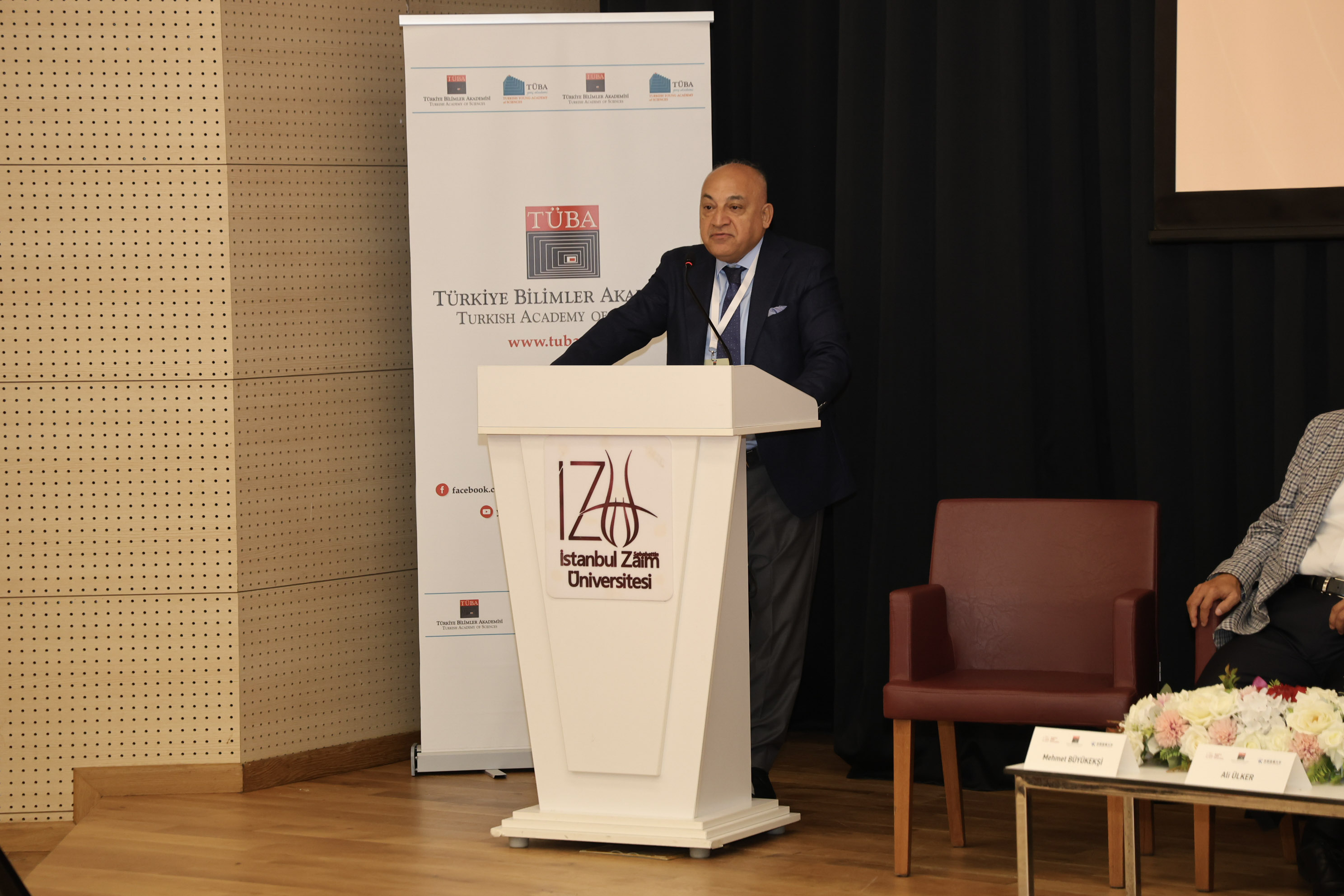
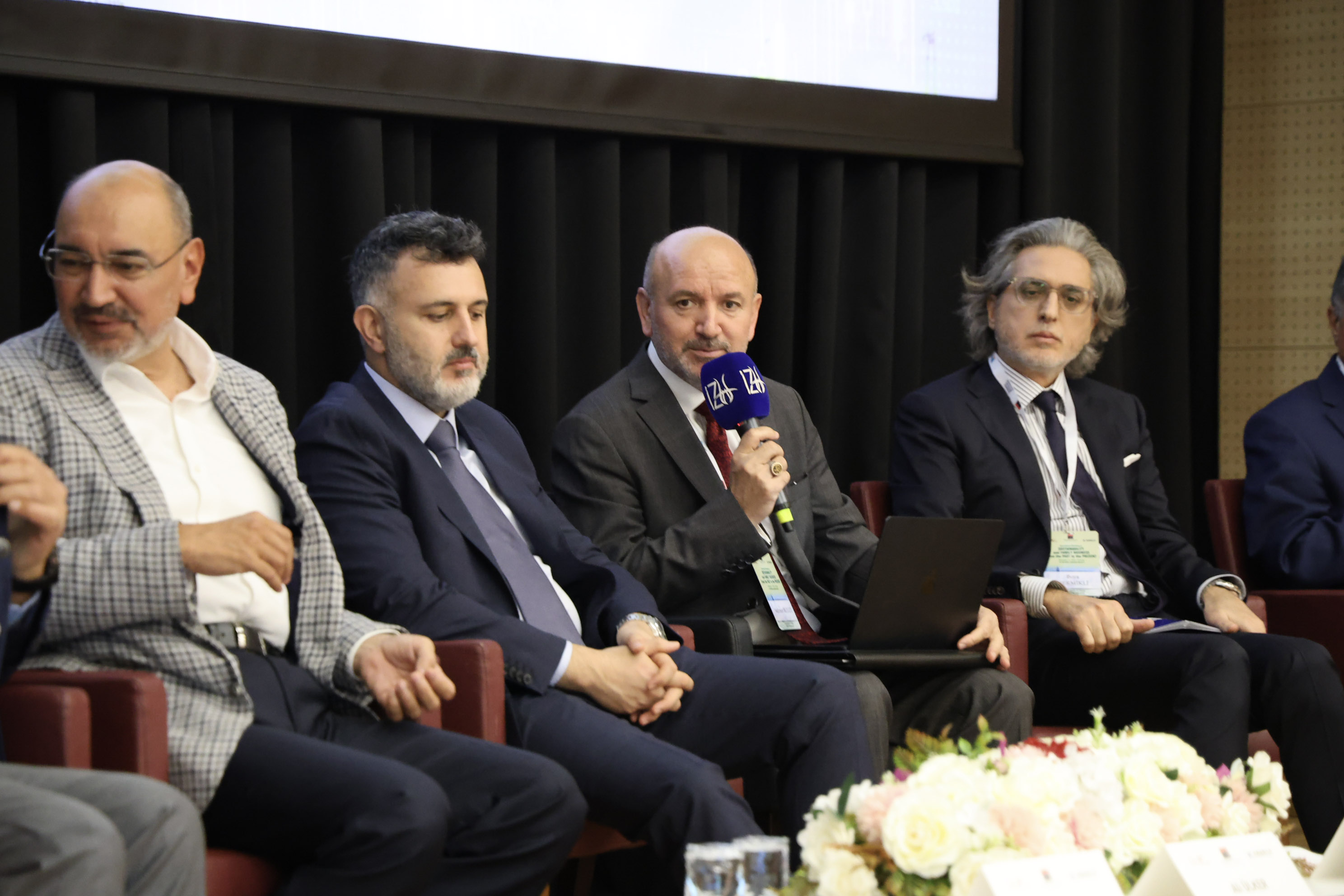
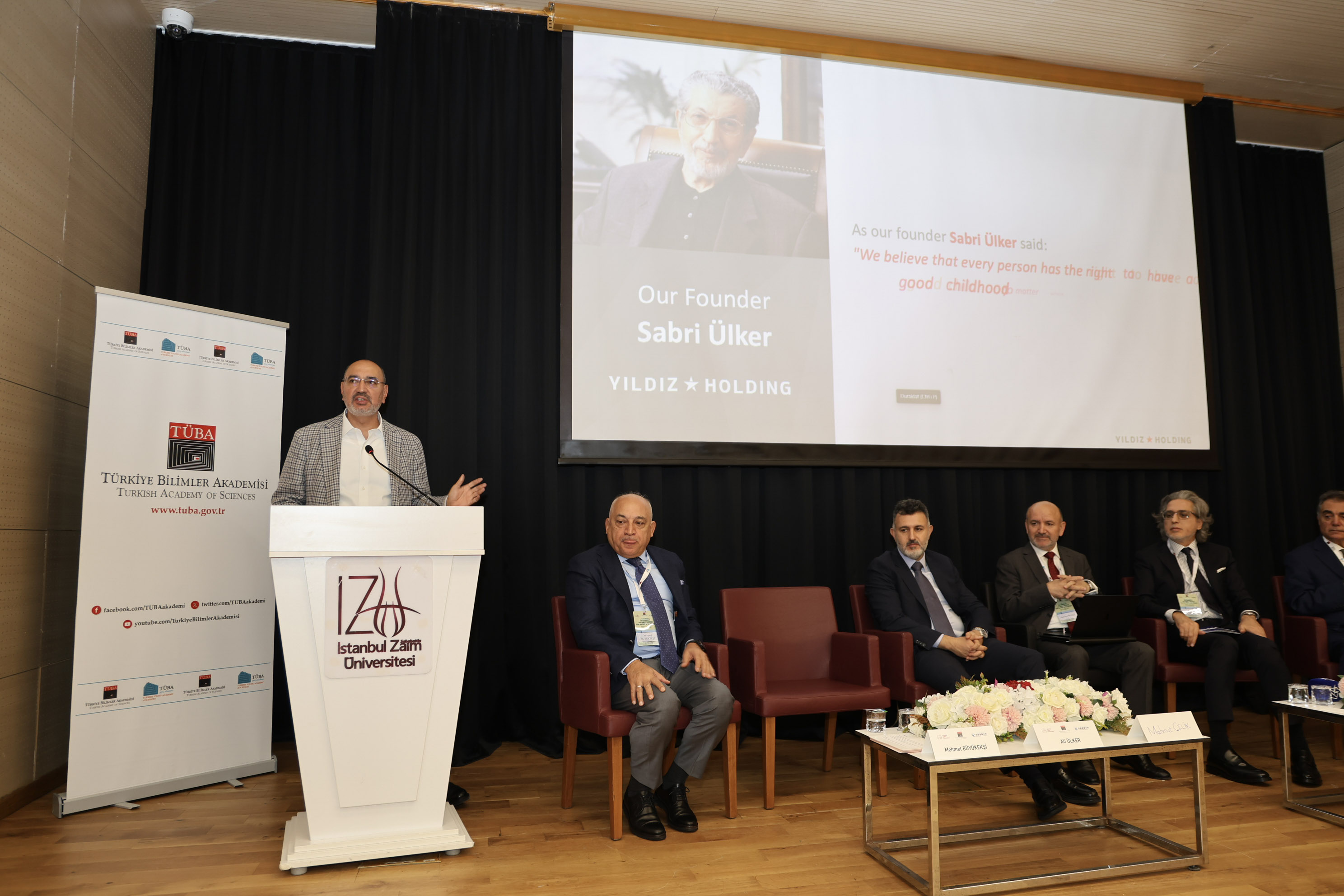
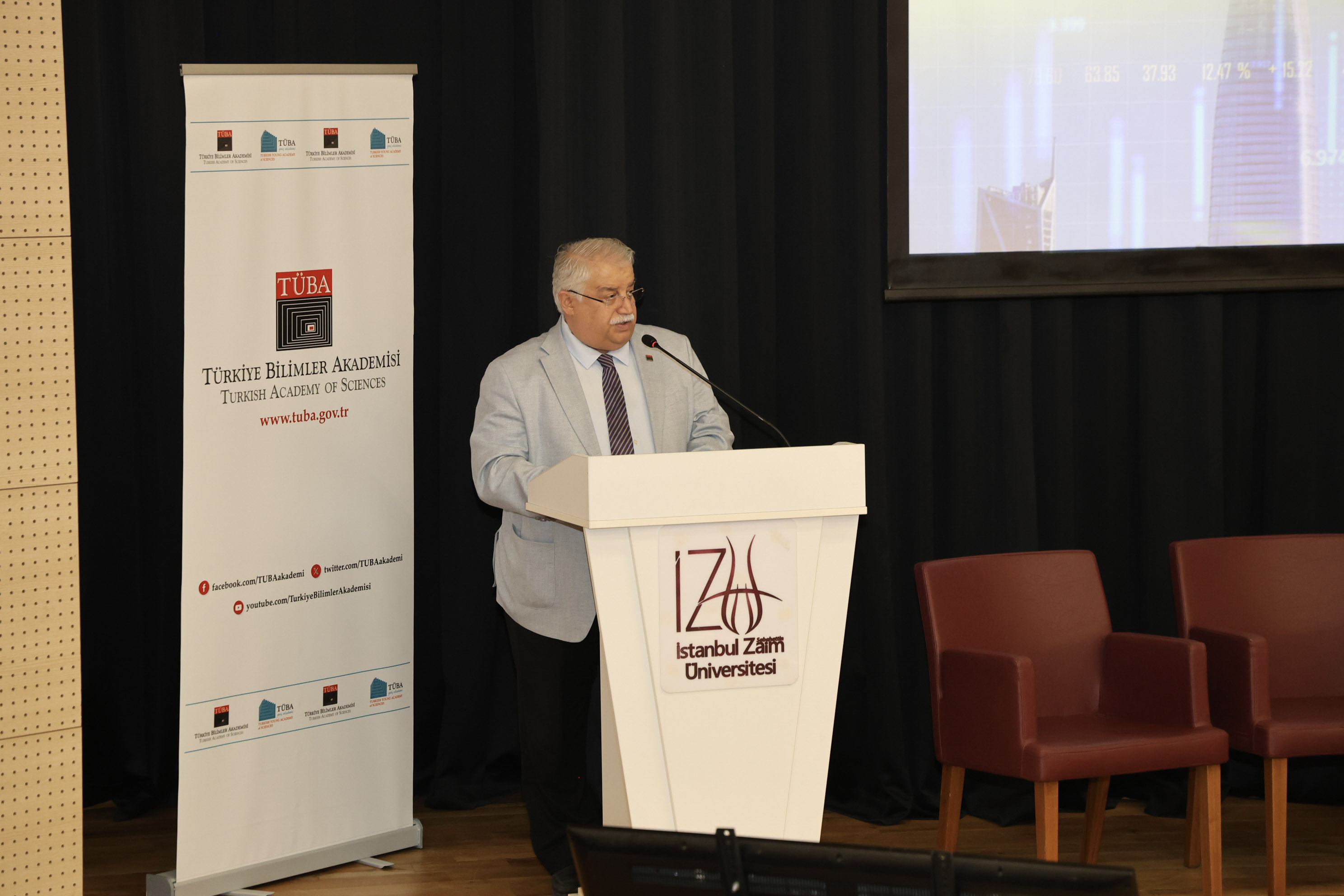
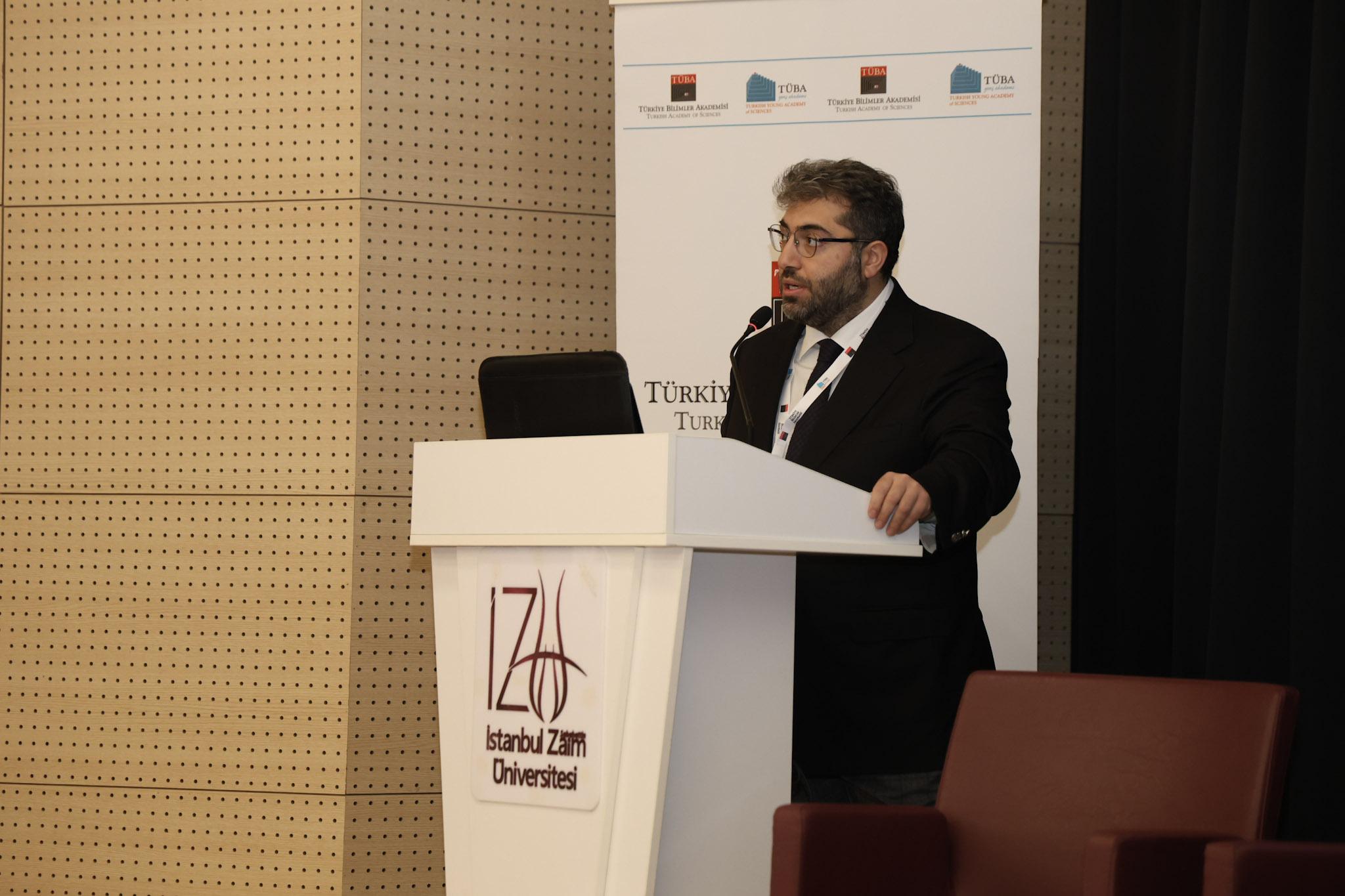
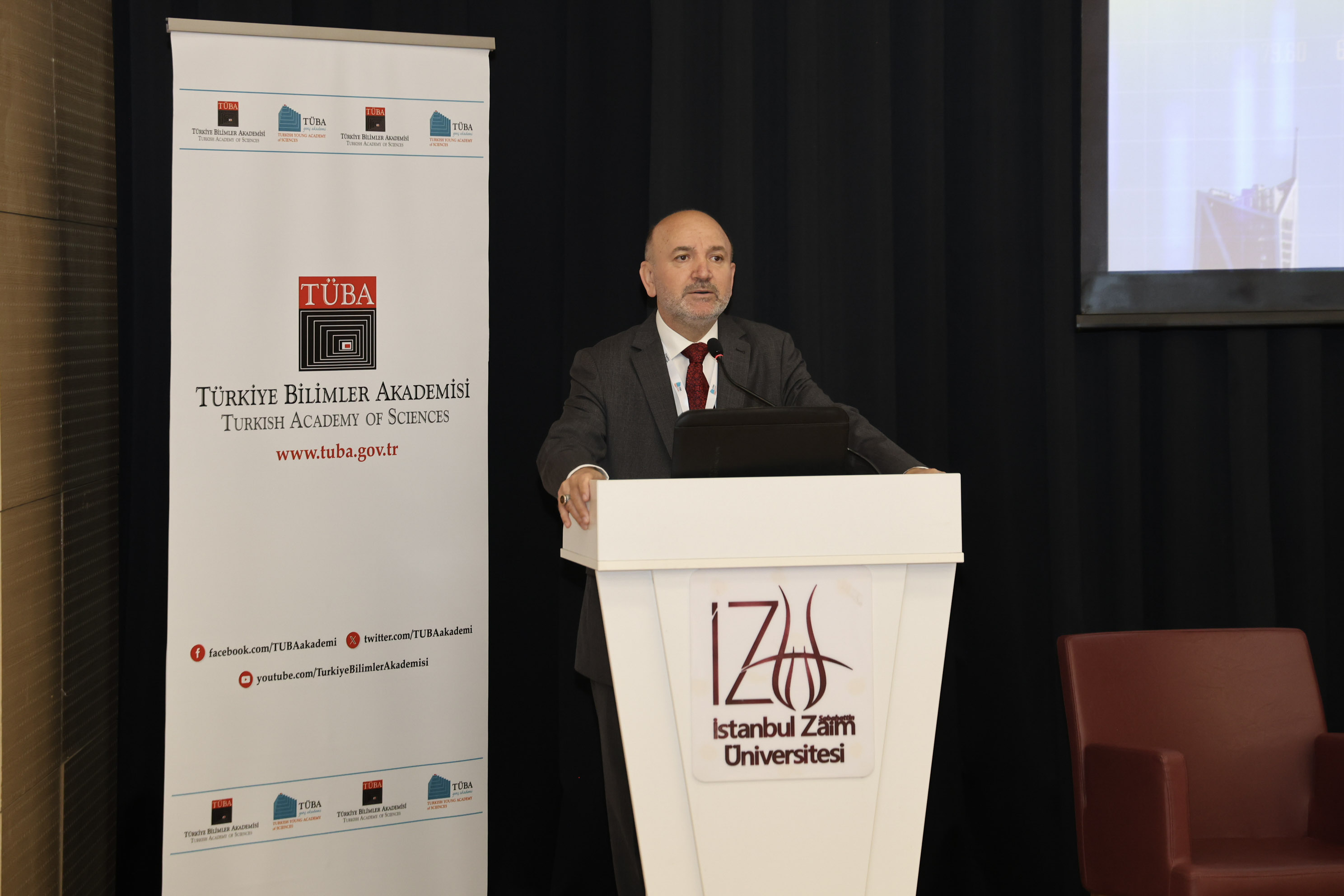
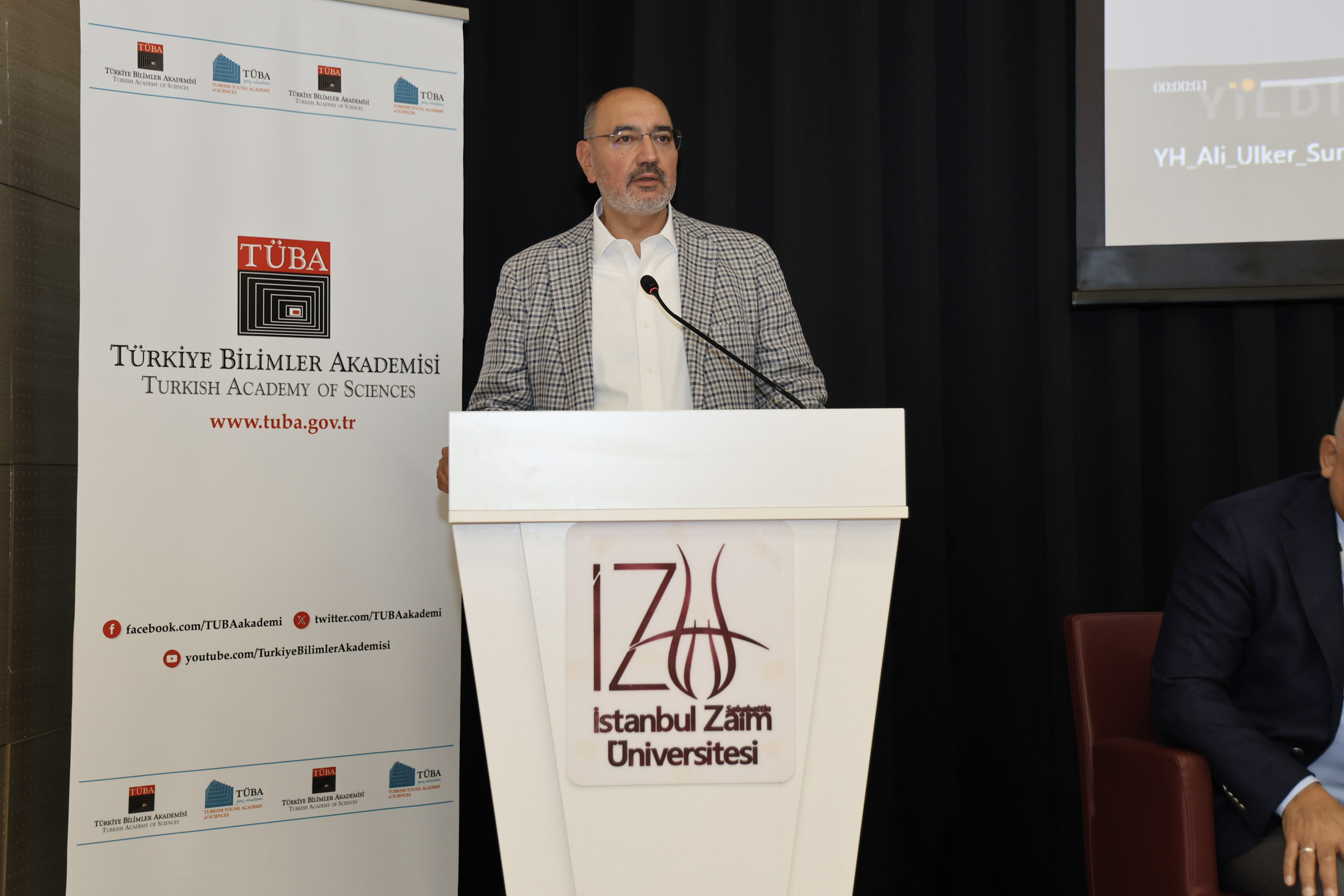
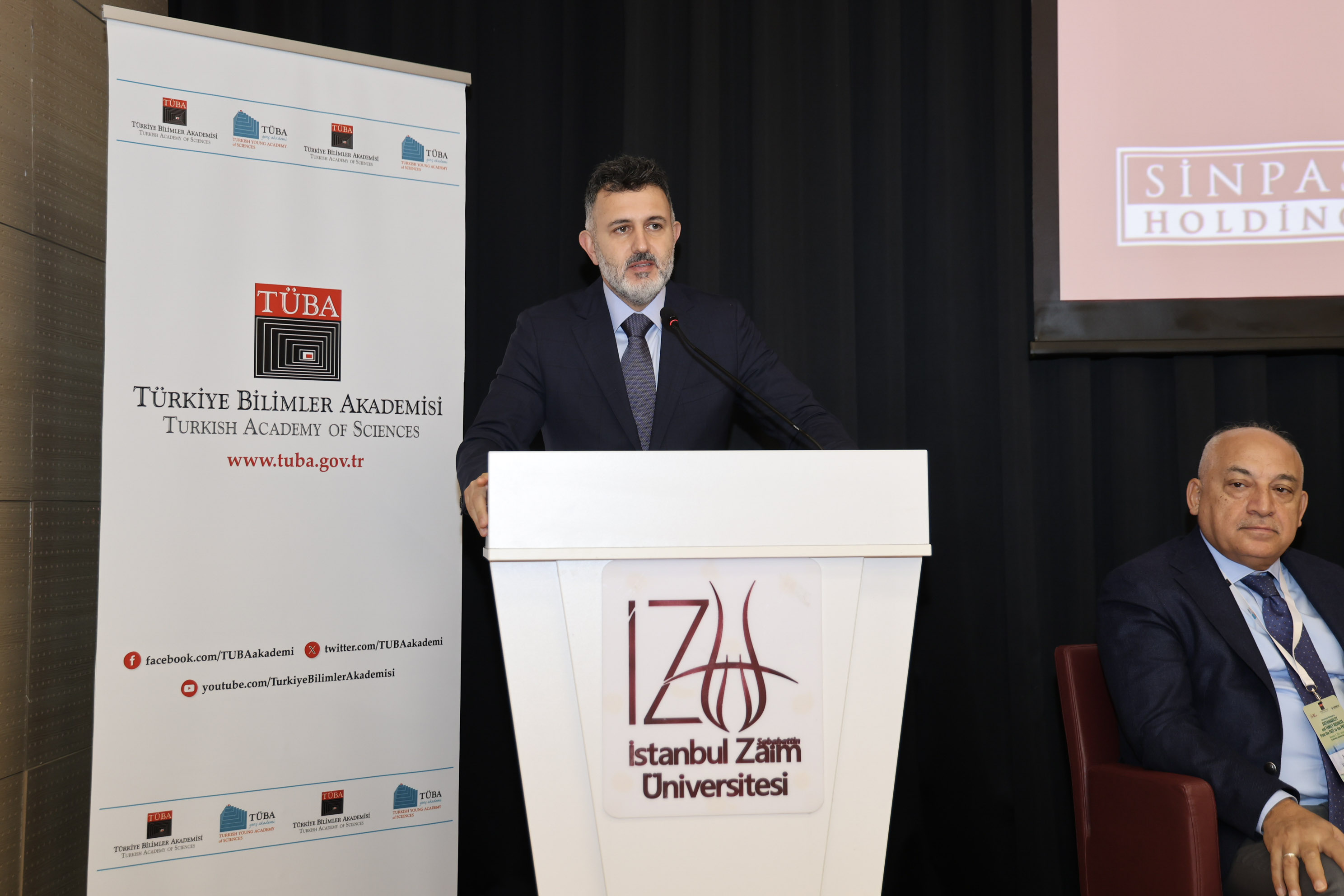
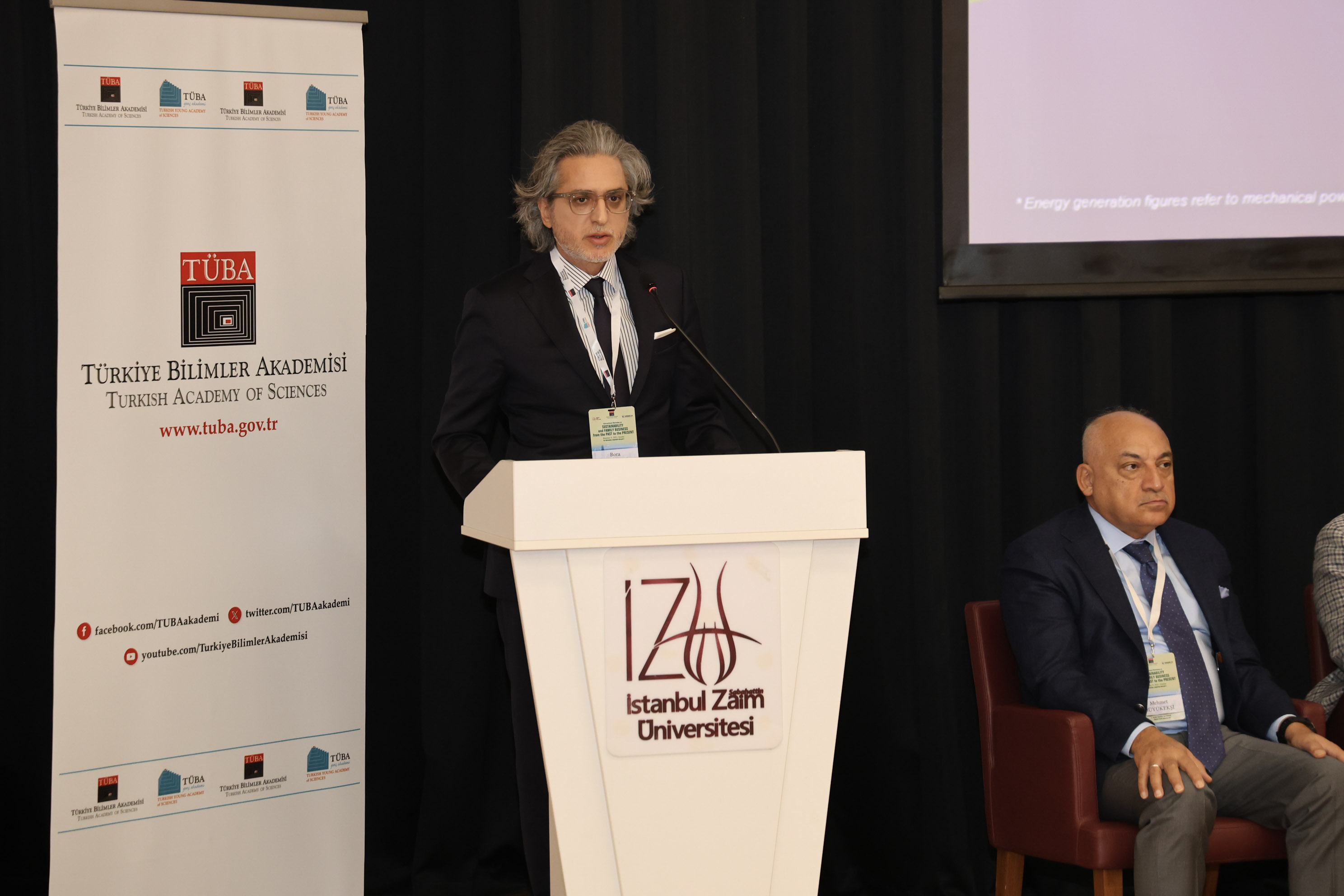
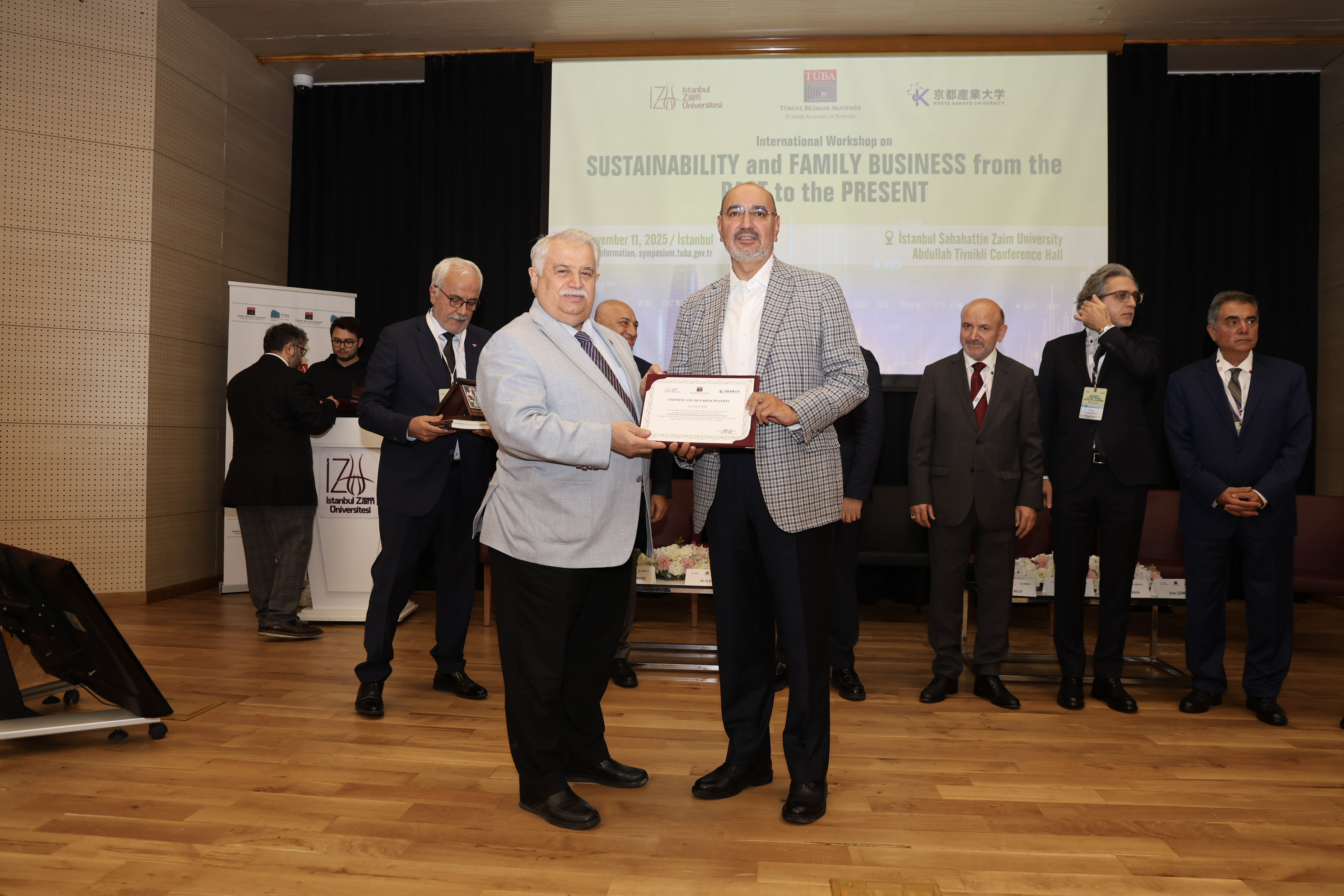
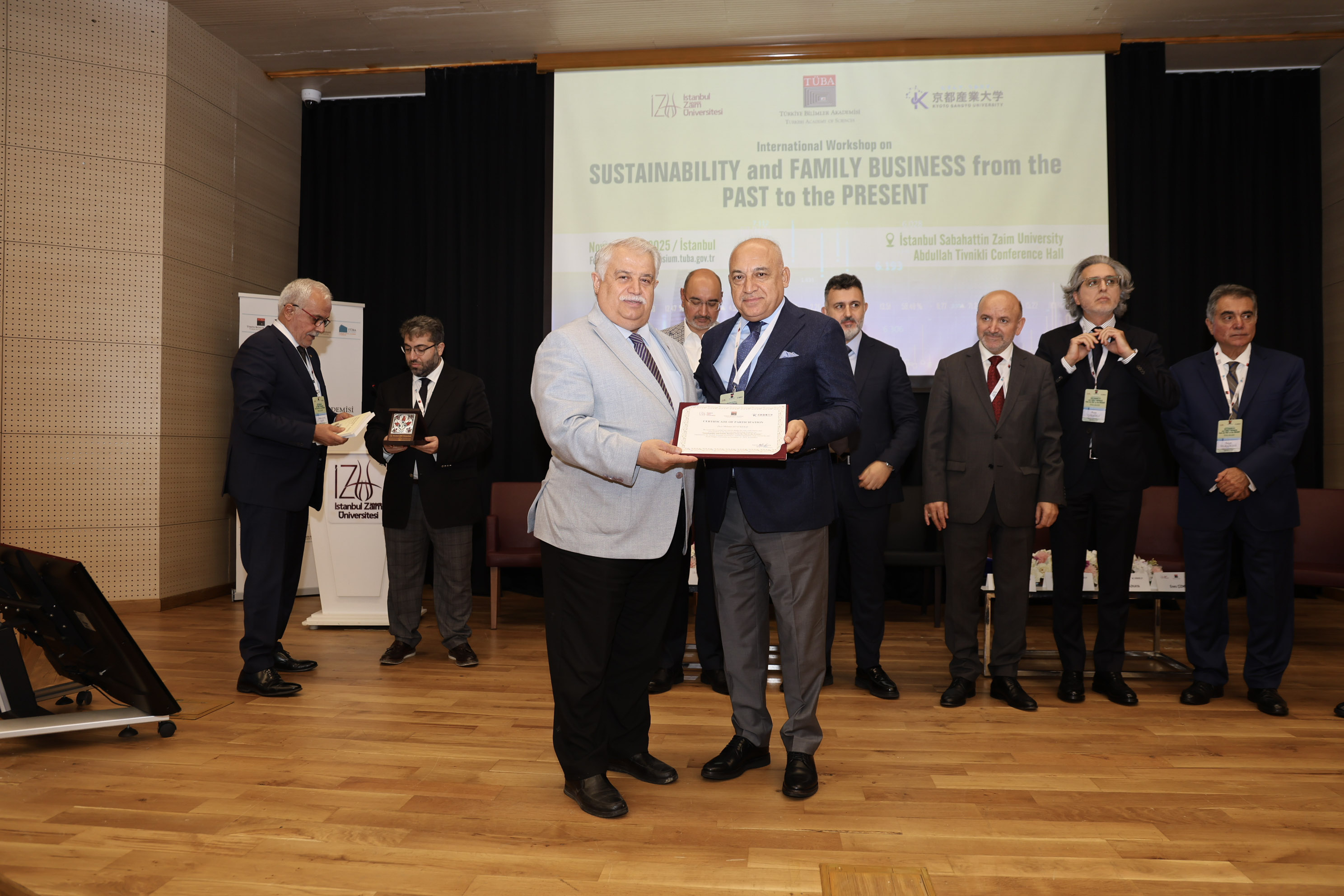
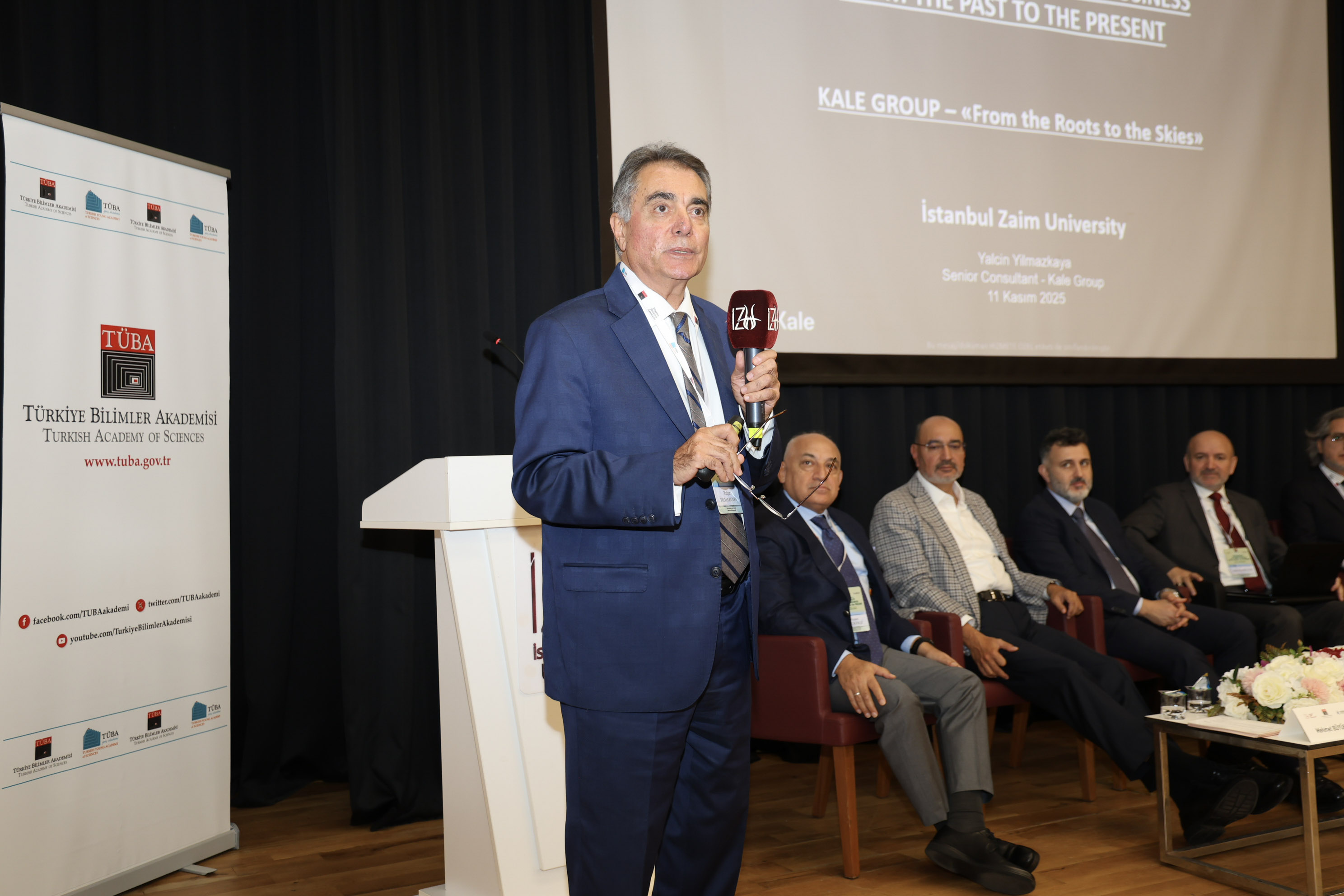
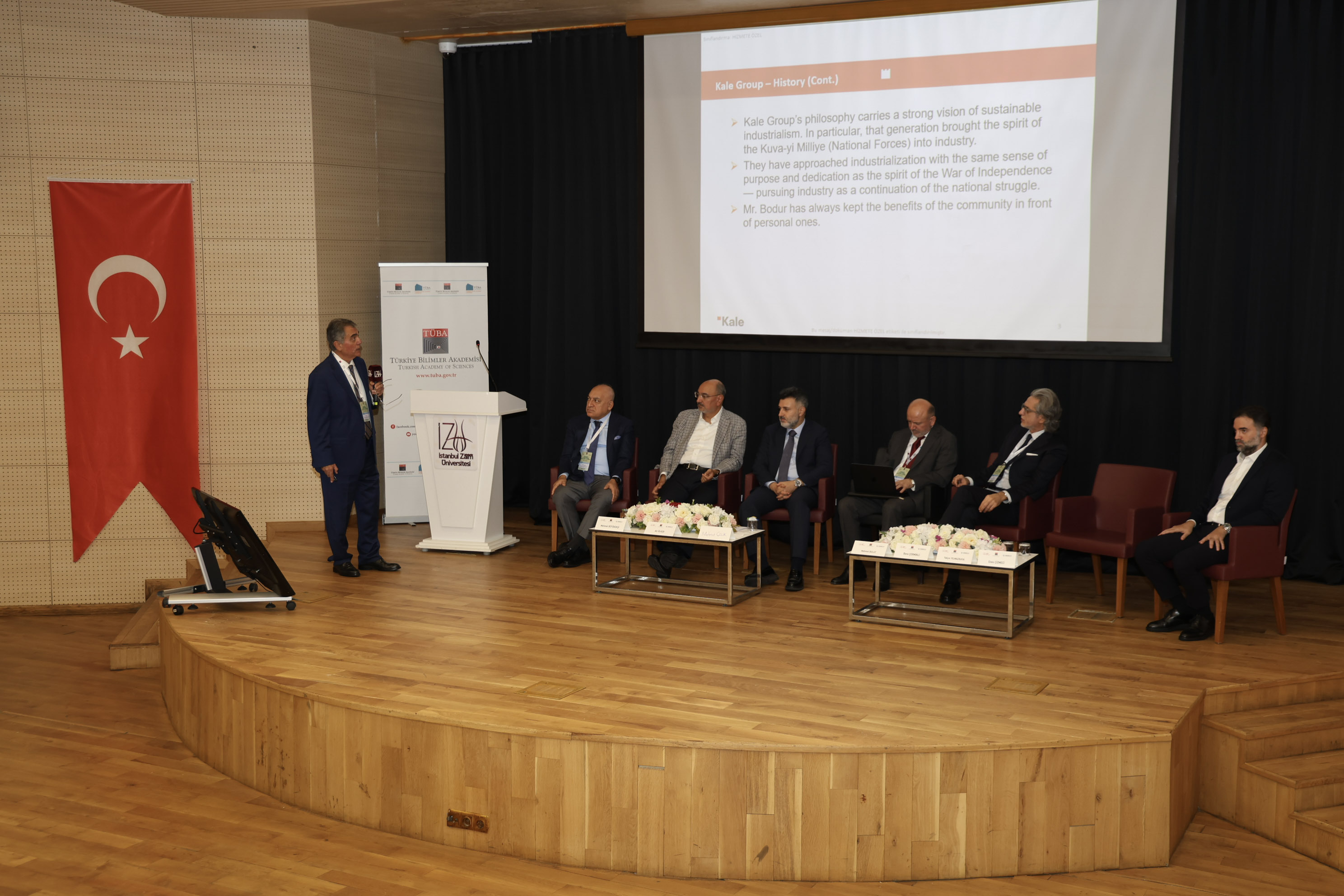
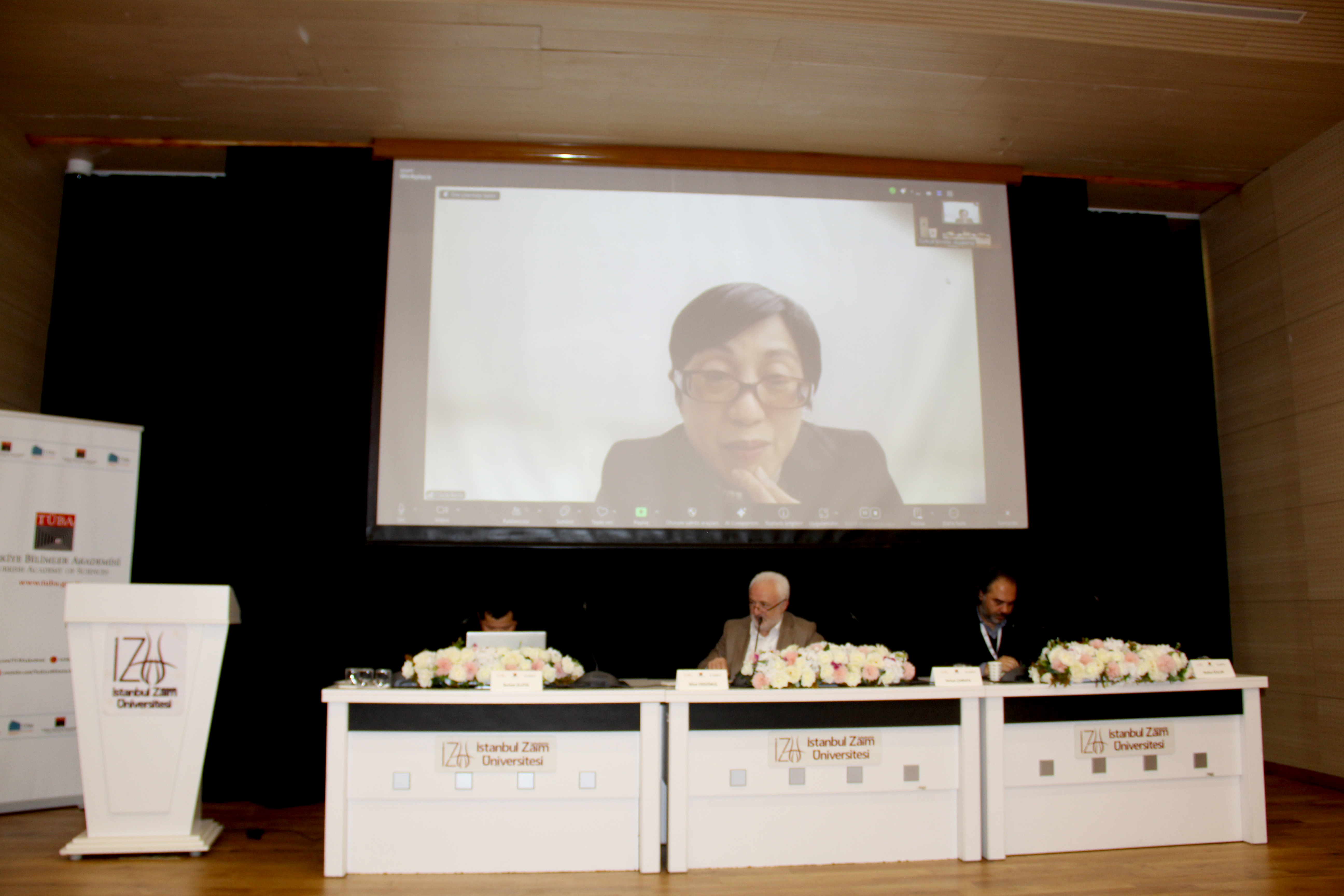
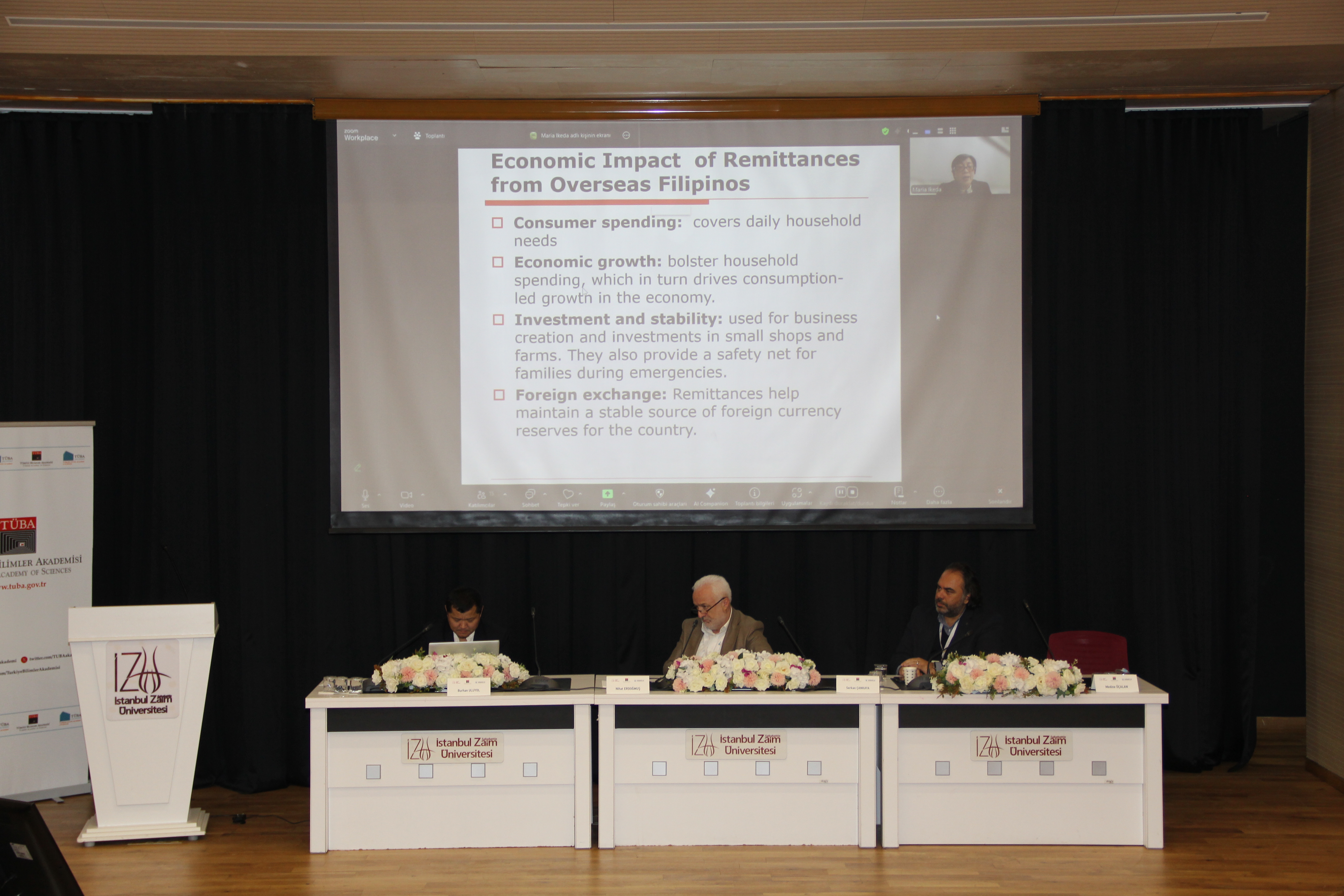
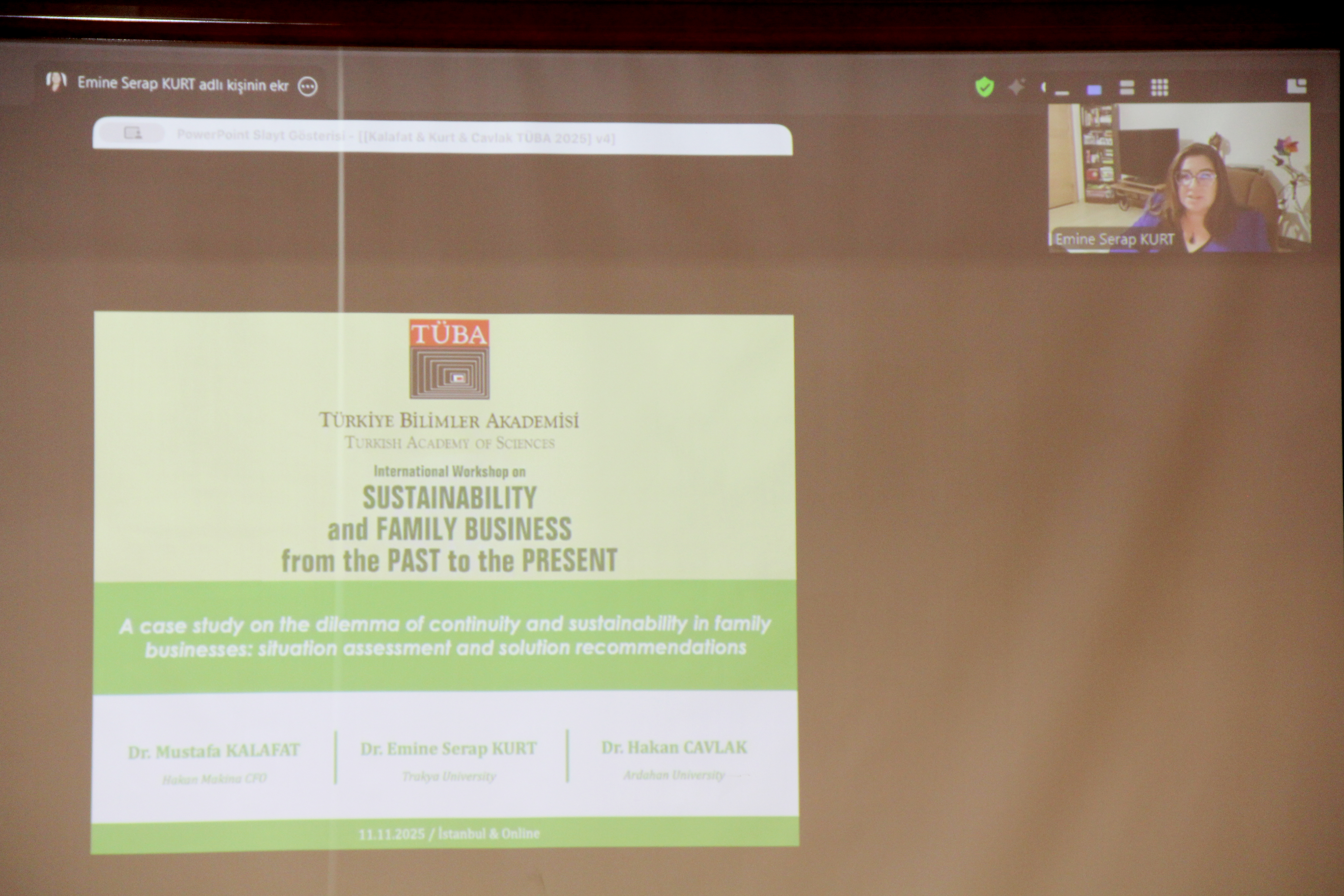
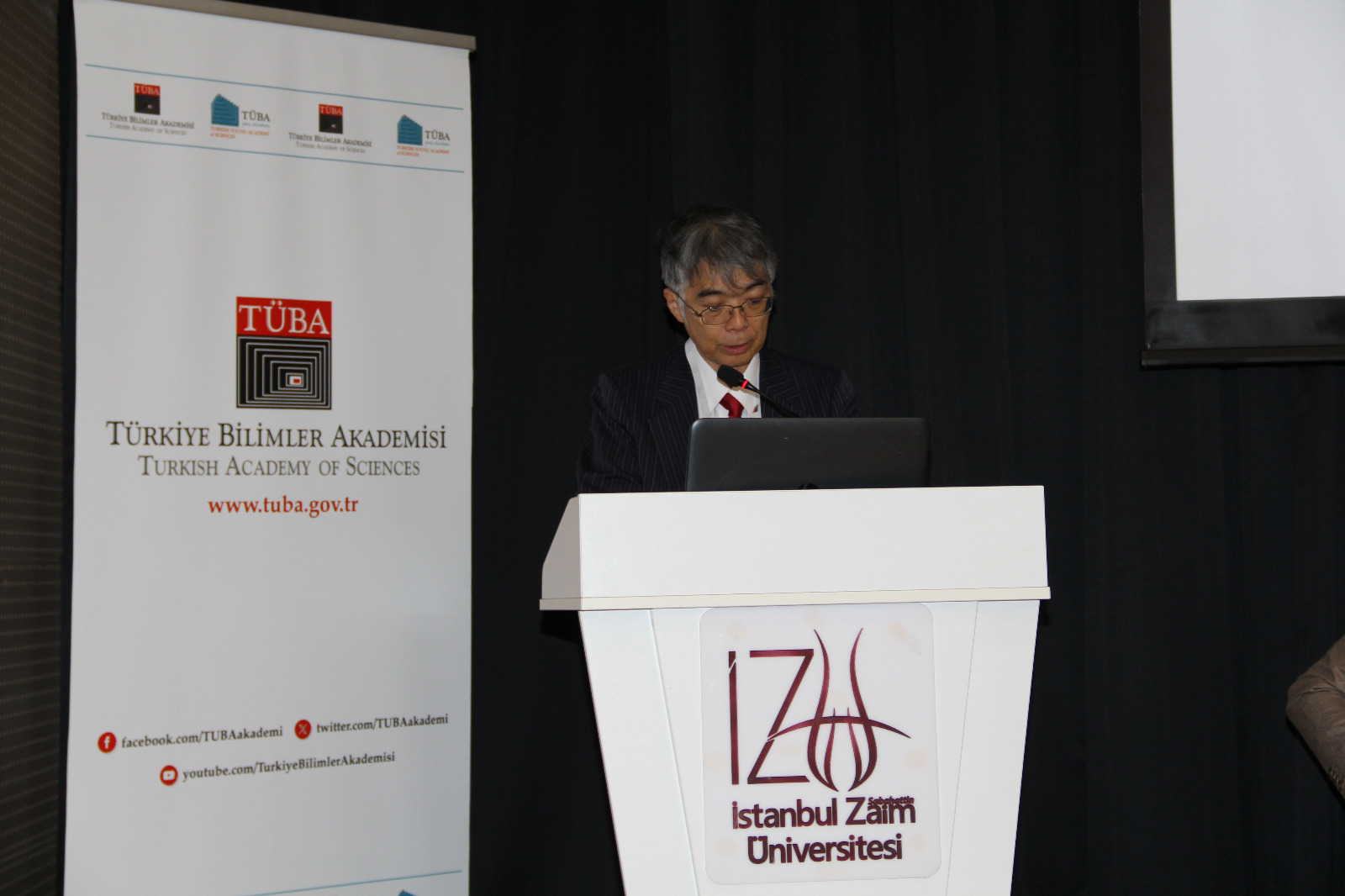
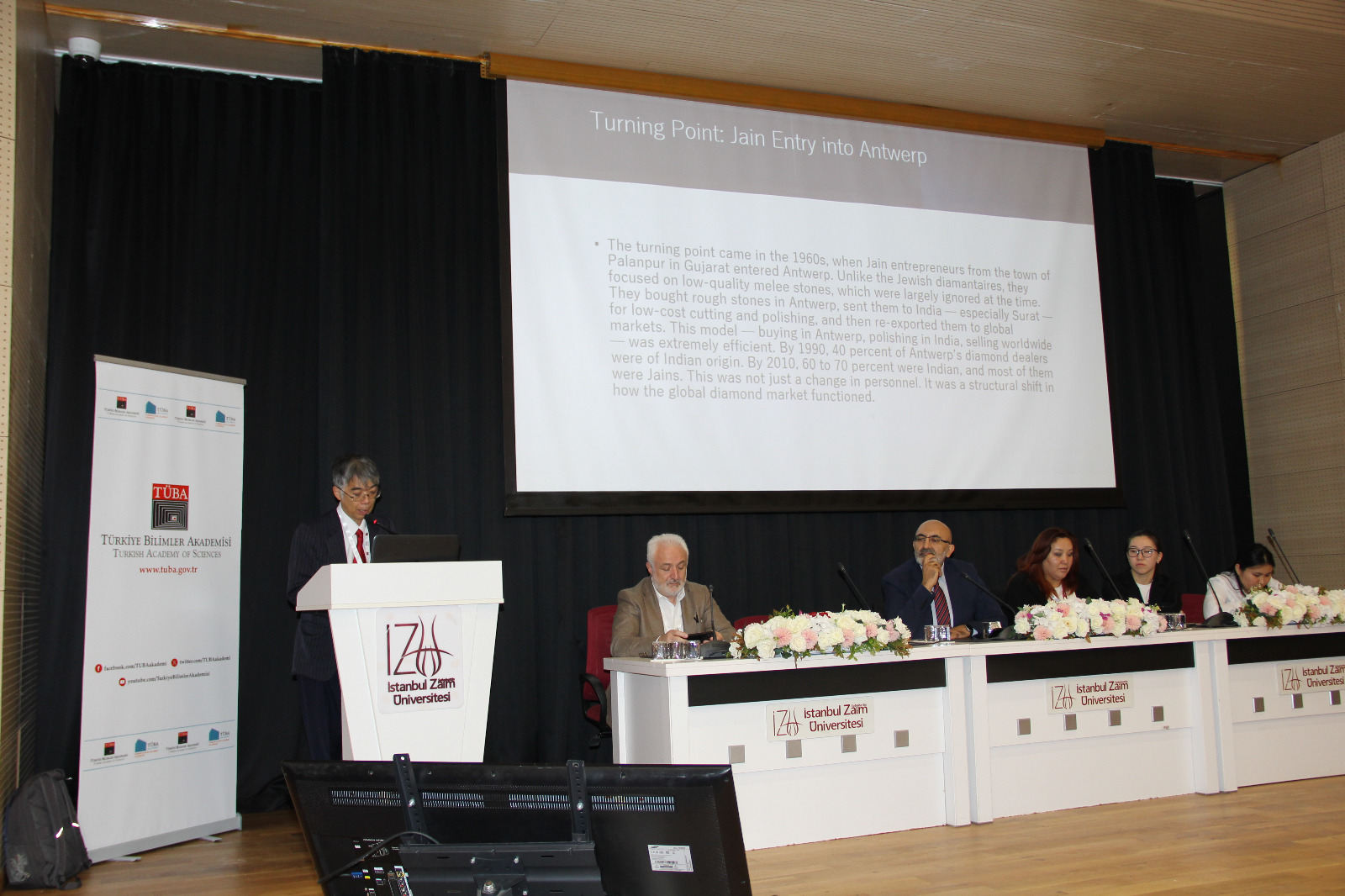
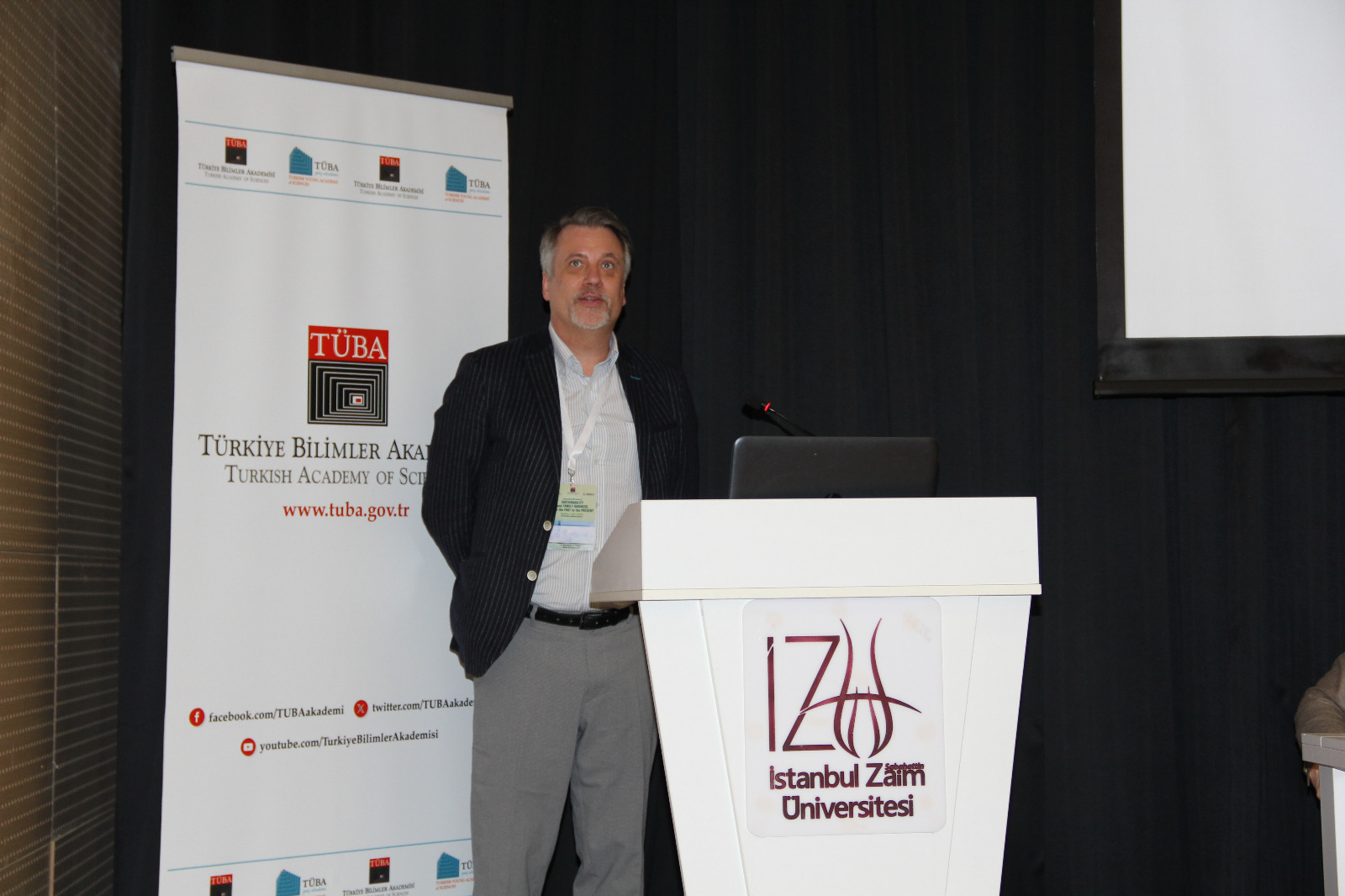
The International Workshop was hosted by Istanbul Sabahattin Zaim University. The international workshop, which brought historical analysis and future-oriented strategies together, was designed to contribute to both scientific literature and policy and business circles in the field of sustainable family businesses. The workshop featured a total of six sessions that brought academics, experts, industry representatives, and policymakers together to address the changing role of family businesses in promoting sustainability from a multidisciplinary perspective. Online participants also contributed to the workshop. The first session, chaired by TÜBA Full Member and TÜBA-Sustainable Development and Finance Working Group Coordinator Prof. Dr. Mehmet Bulut, featured representatives from Türkiye's leading family businesses. Ziylan Group Chairman Mehmet Büyükekşi, Yıldız Holding partner Ali Ülker, Sinpaş Real Estate Investment Partnership Board Member Mahmut Çelik, Finance Director of Eksim Holding Bora Çermikli, Senior Advisor at Kale Group Yalçın Yılmazkaya, and Board Member of Hayat Holding Enes Çizmeci, detailed the stages family businesses have gone through from their founding to the present day within the framework of sustainability.
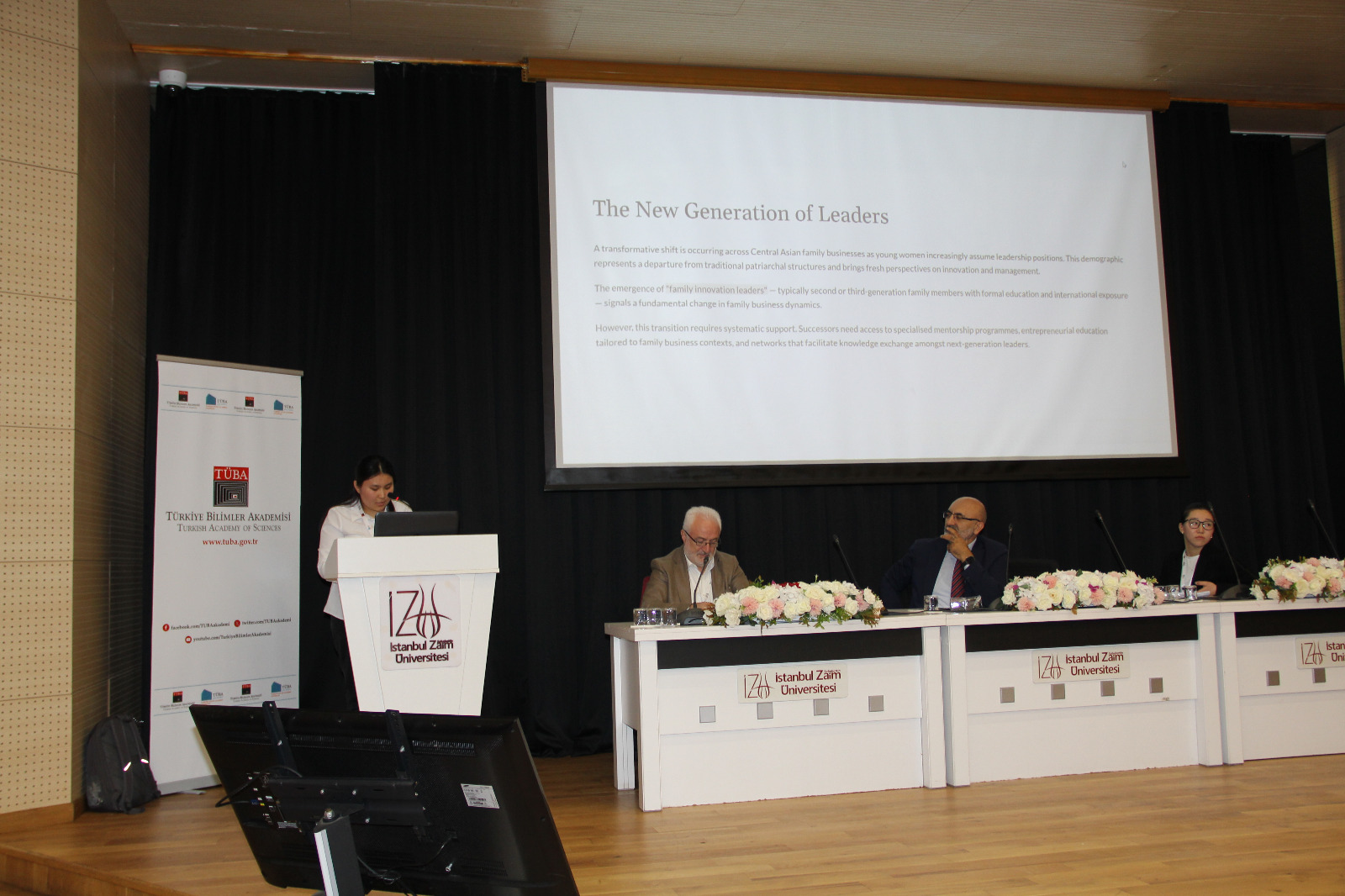
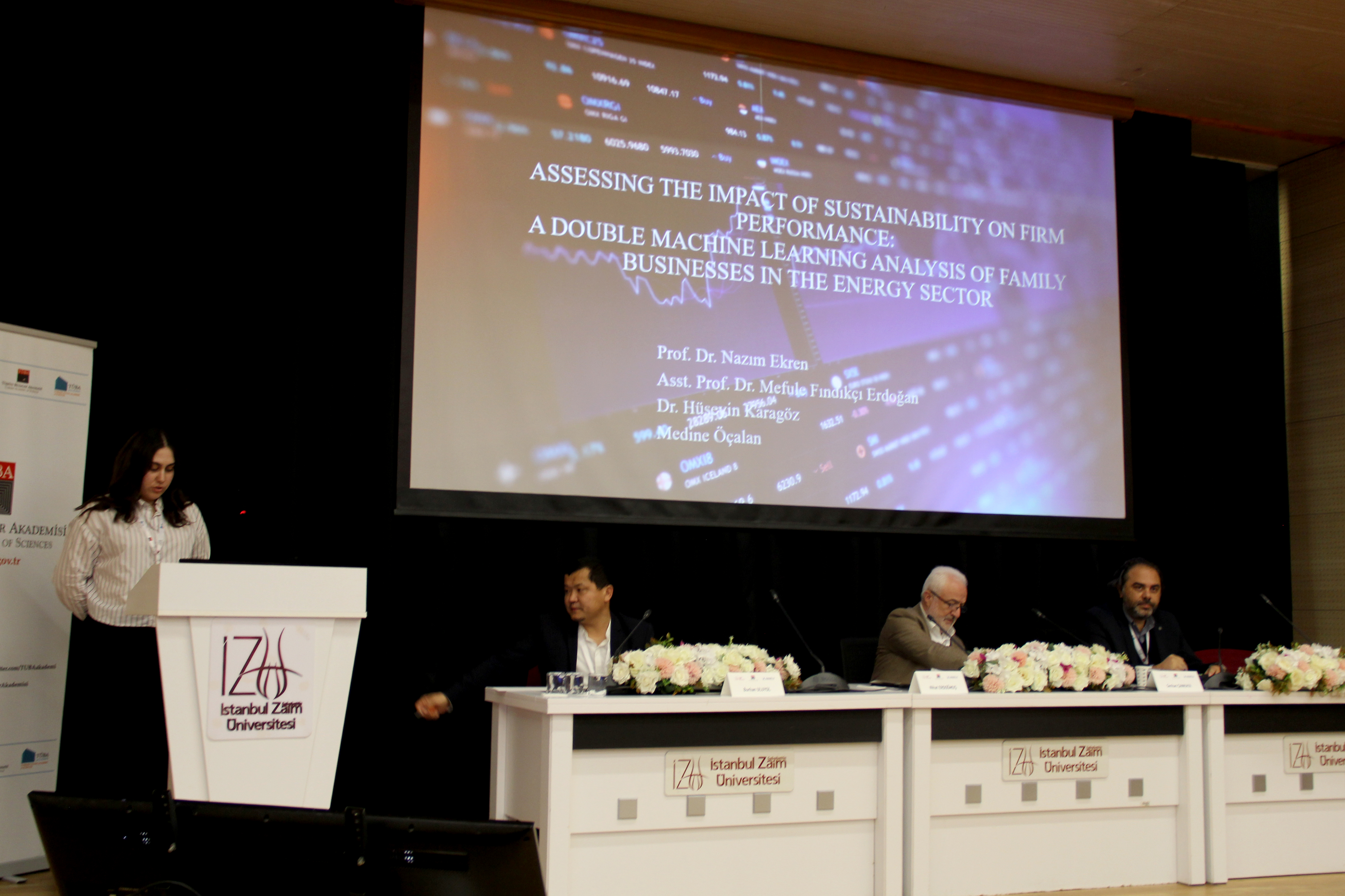
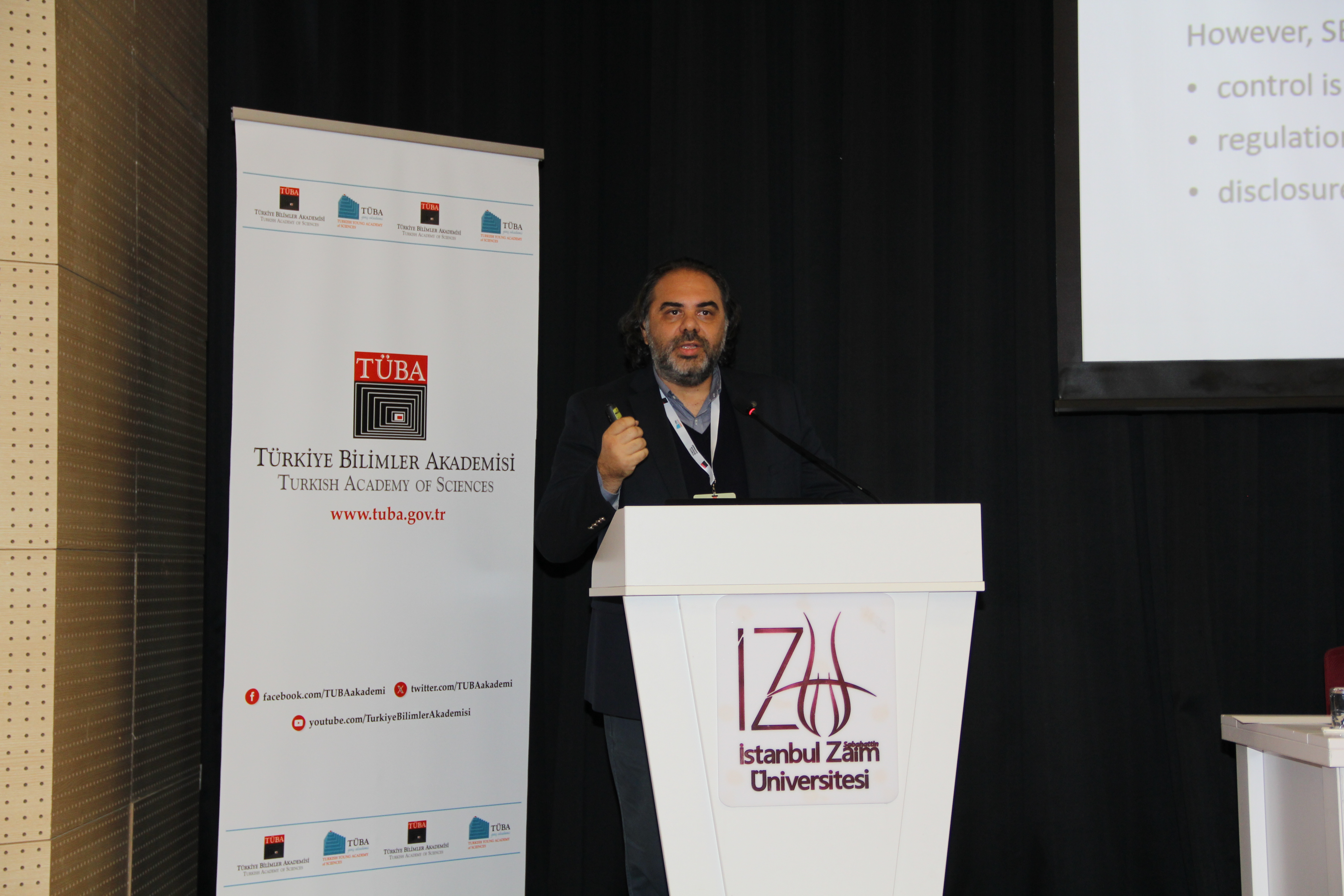
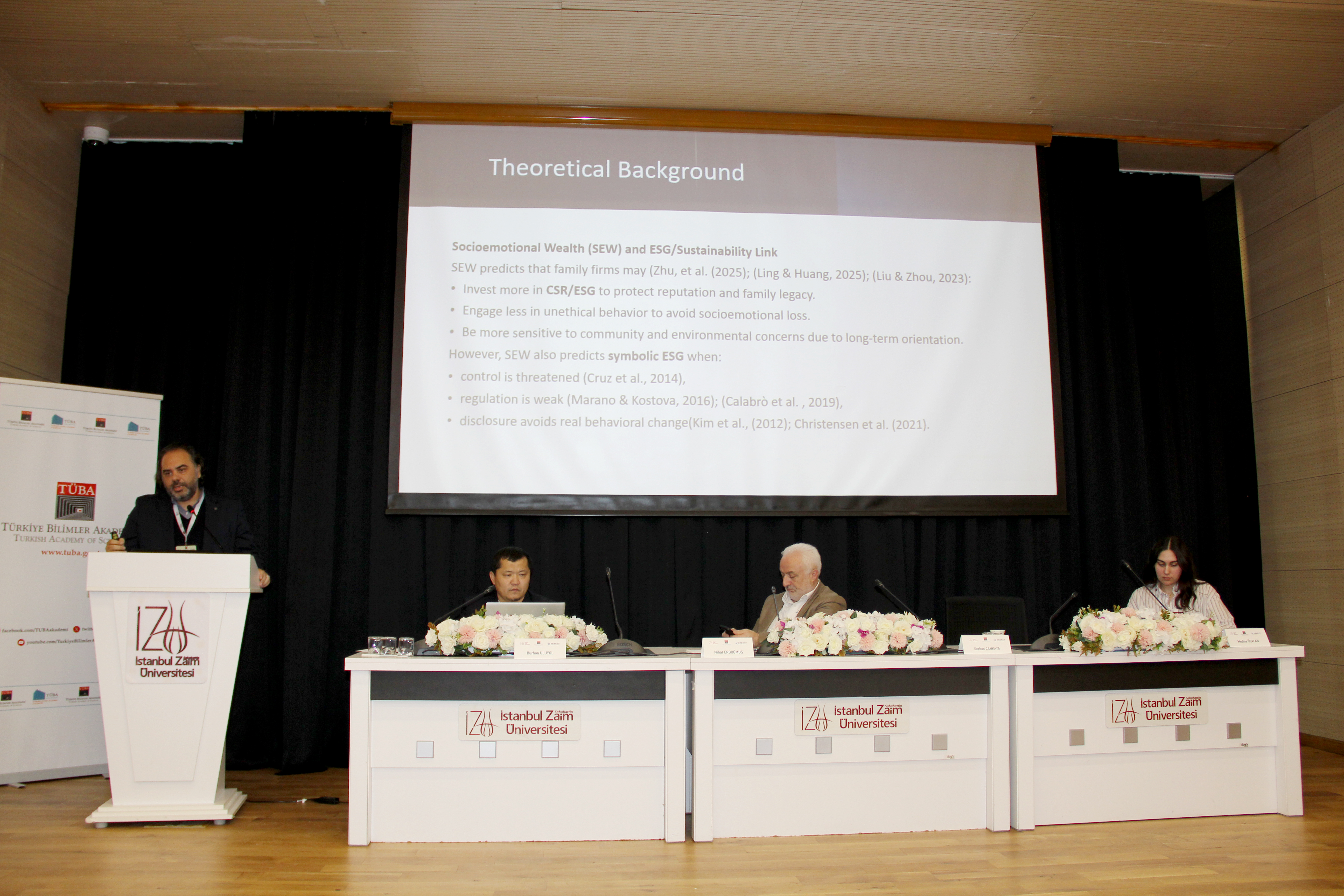
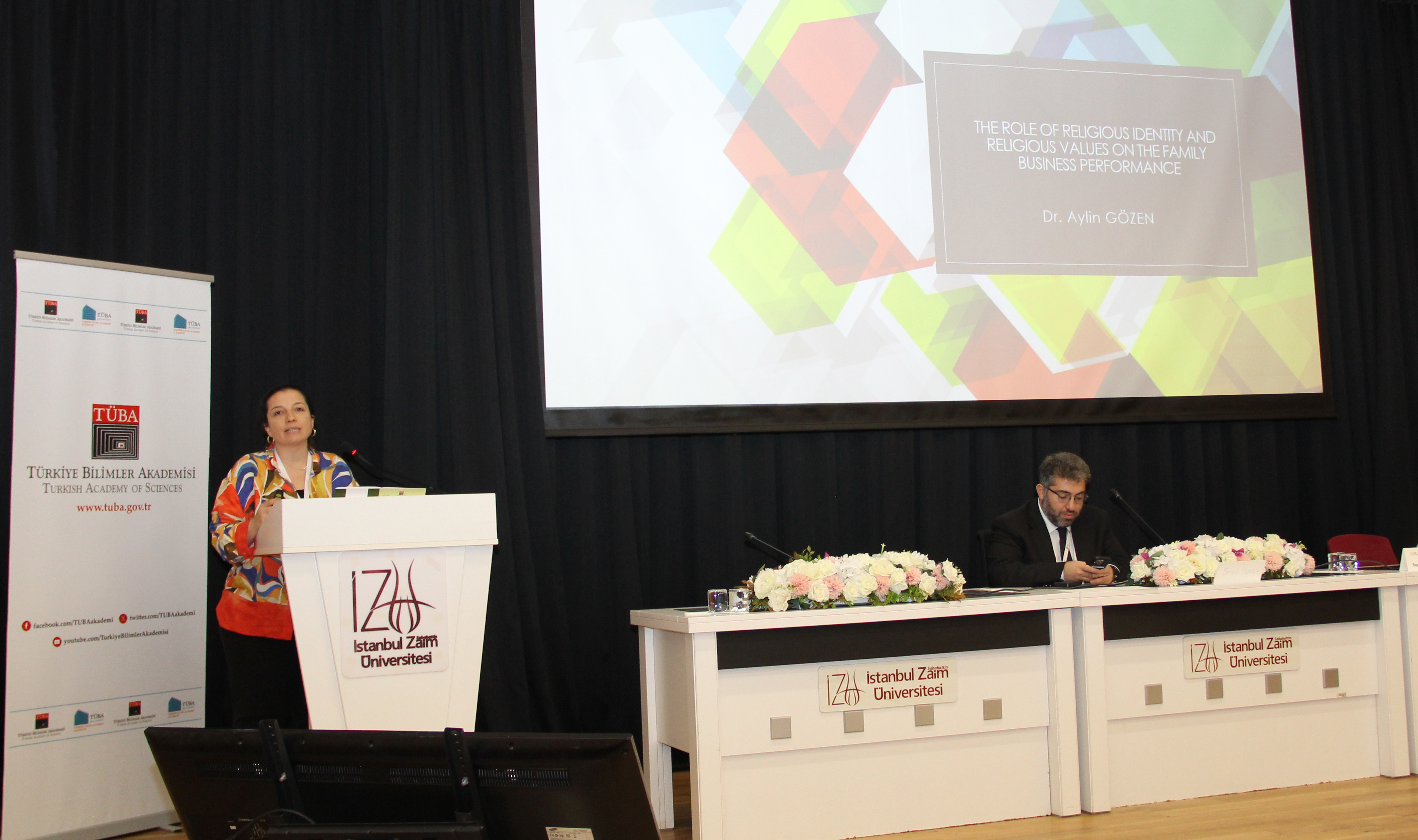
The program featured talks by international scholars, thematic paper sessions, and interactive panels. In the sessions chaired by Prof. Dr. Metin Toprak, Prof. Dr. Nihat Erdoğmuş, TÜBA Members Prof. Dr. Nazım Ekren and Prof. Dr. Bayram Zafer Erdoğan, along with Prof. Dr. Ömer Torlak, over 40 academics and experts discussed 22 topics ranging from Generations and Marketing Approaches to the Social Responsibility and Sustainable Development of Family Enterprises, as well as the evaluation of the sustainability of Family Businesses in Türkiye in terms of Ownership, Business, and Family Relations.
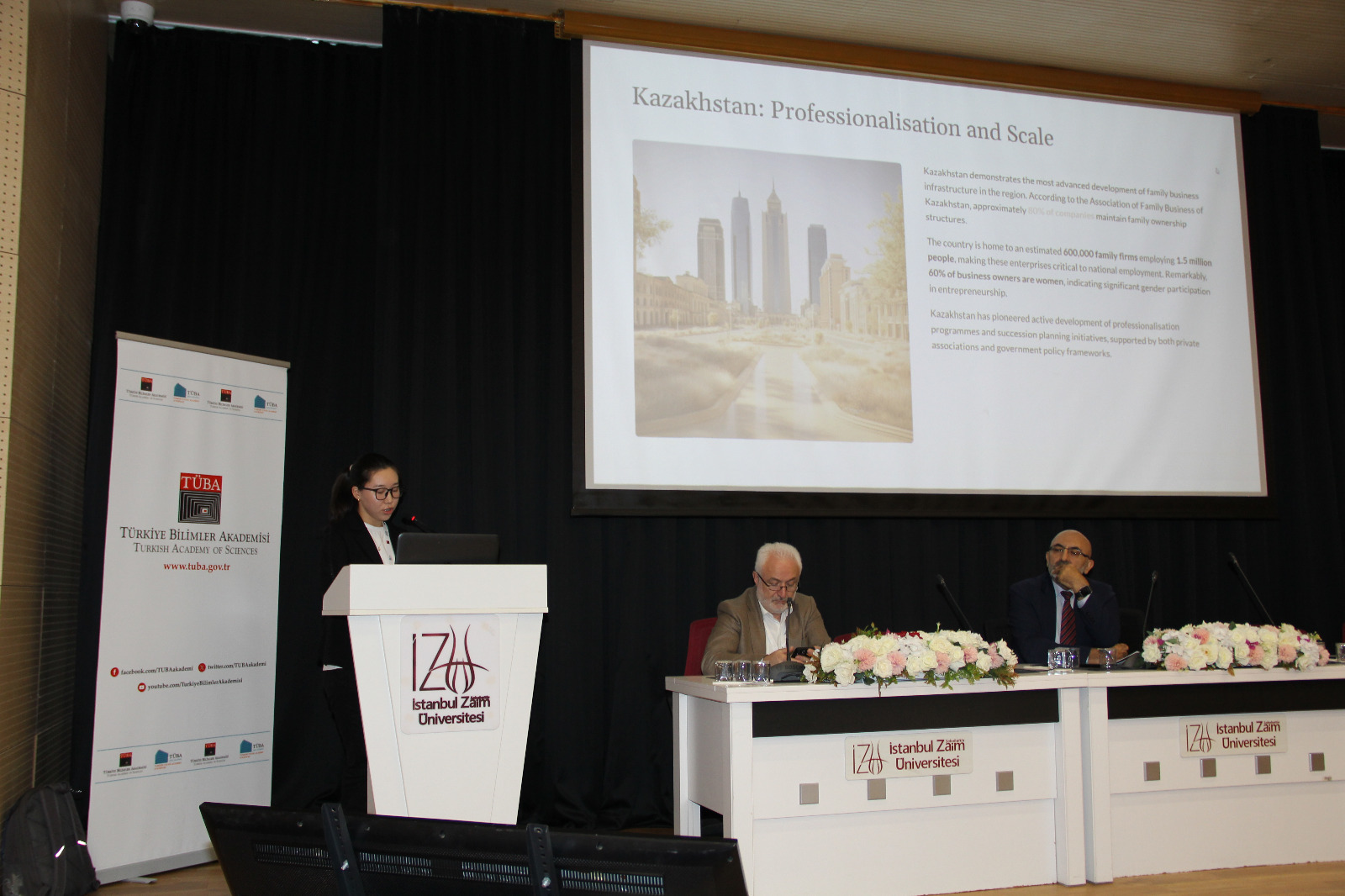
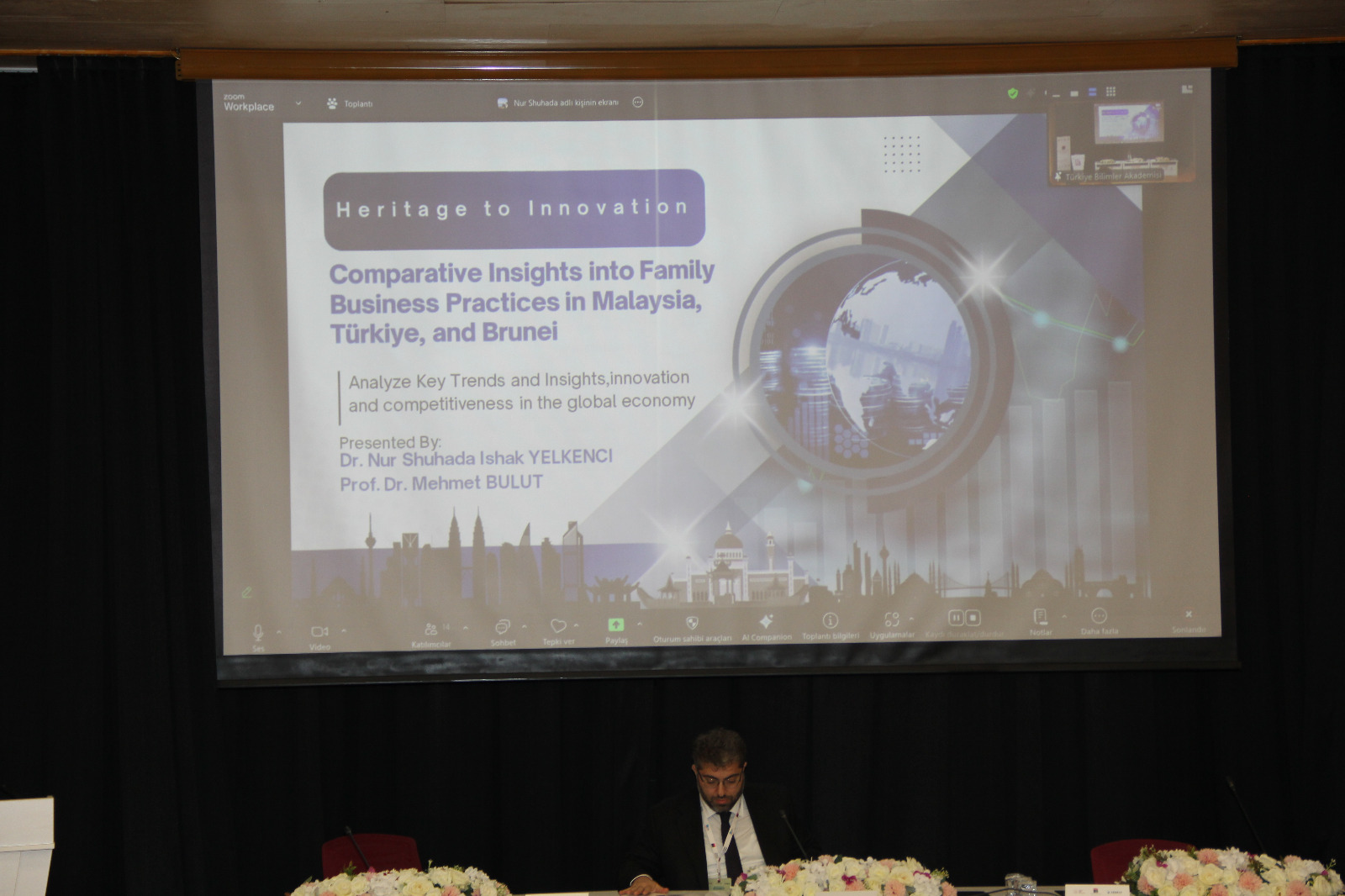
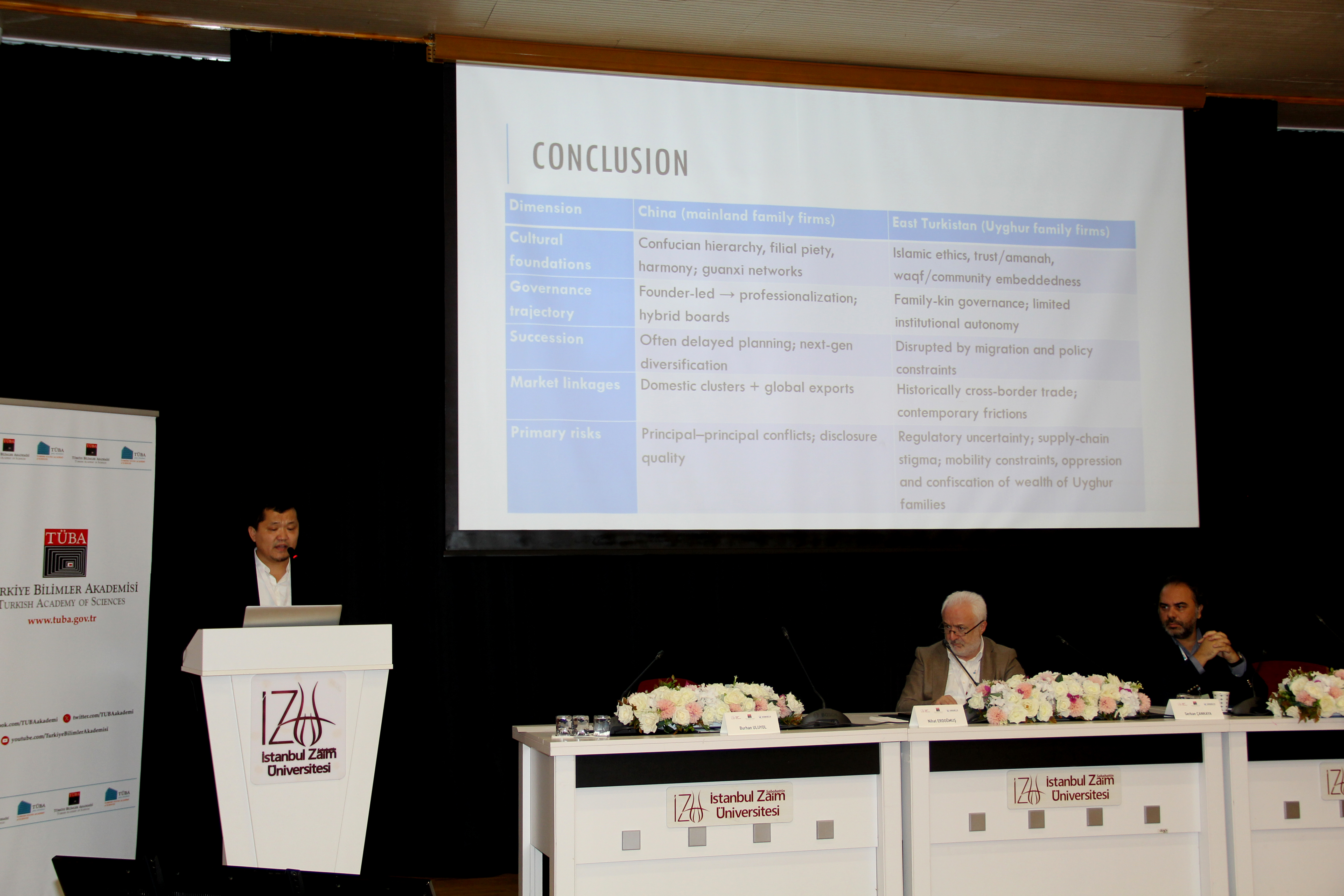
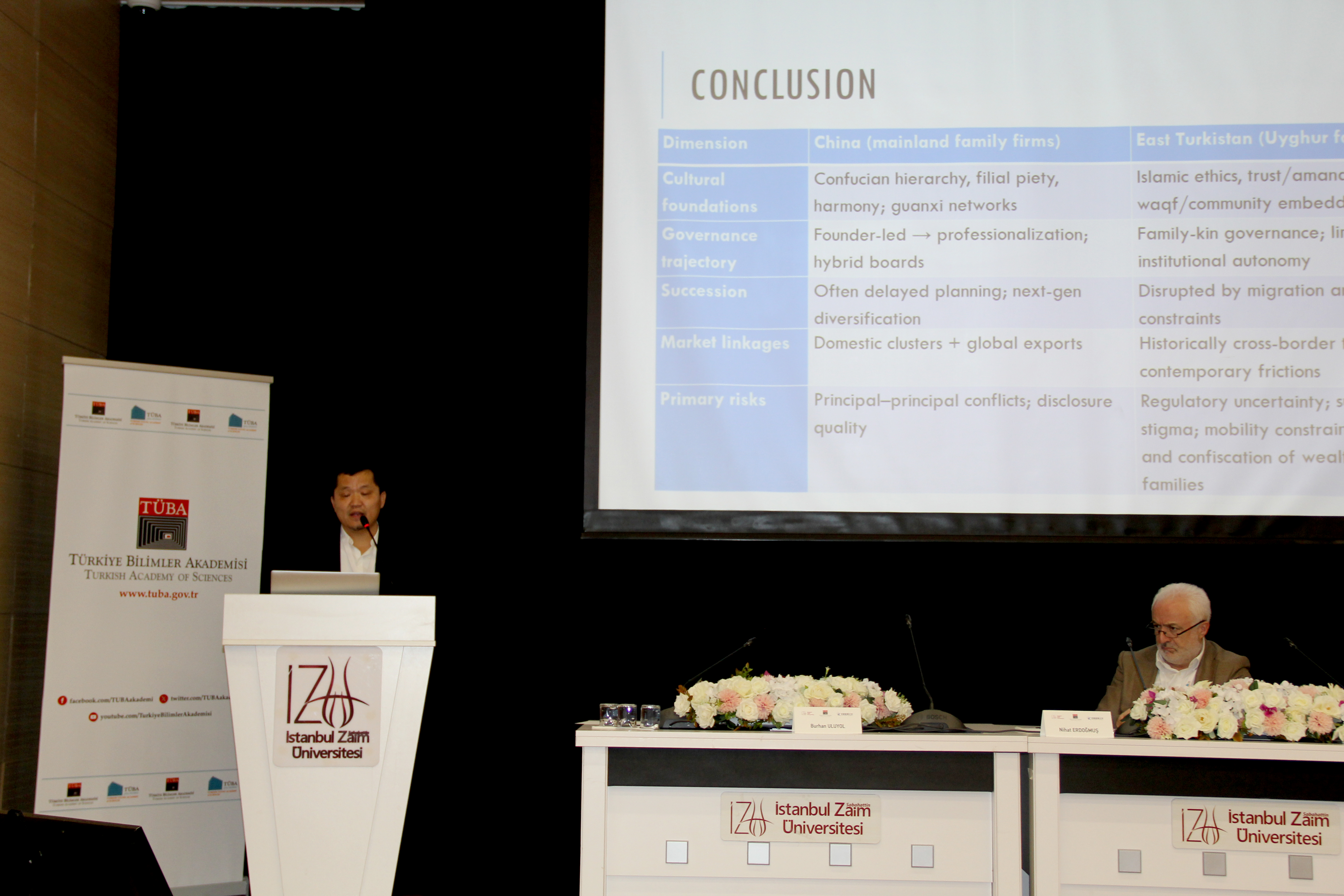
Sessions conducted through case analyses from countries such as Japan, Europe, China, Indonesia, Malaysia, Kyrgyzstan, and Türkiye included comparative assessments and practical examples. The workshop also offered practice-oriented perspectives for business owners, consultants, and policymakers. Questions such as “How can family businesses adapt to global environmental challenges?”, “What are the most effective governance structures that ensure intergenerational sustainability?”, and “How can public policies strengthen the long-term economic and social contributions of family businesses?” were addressed.
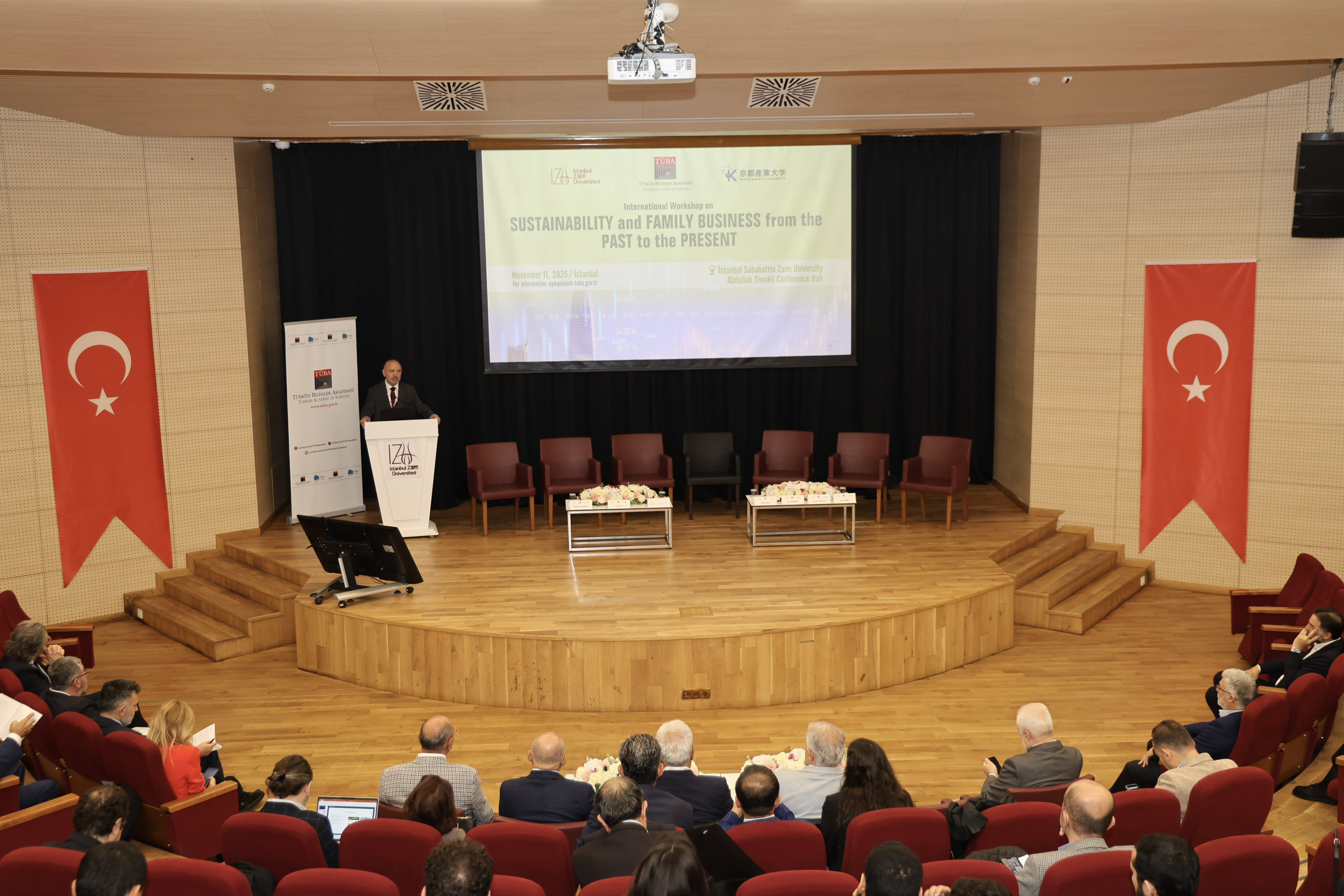
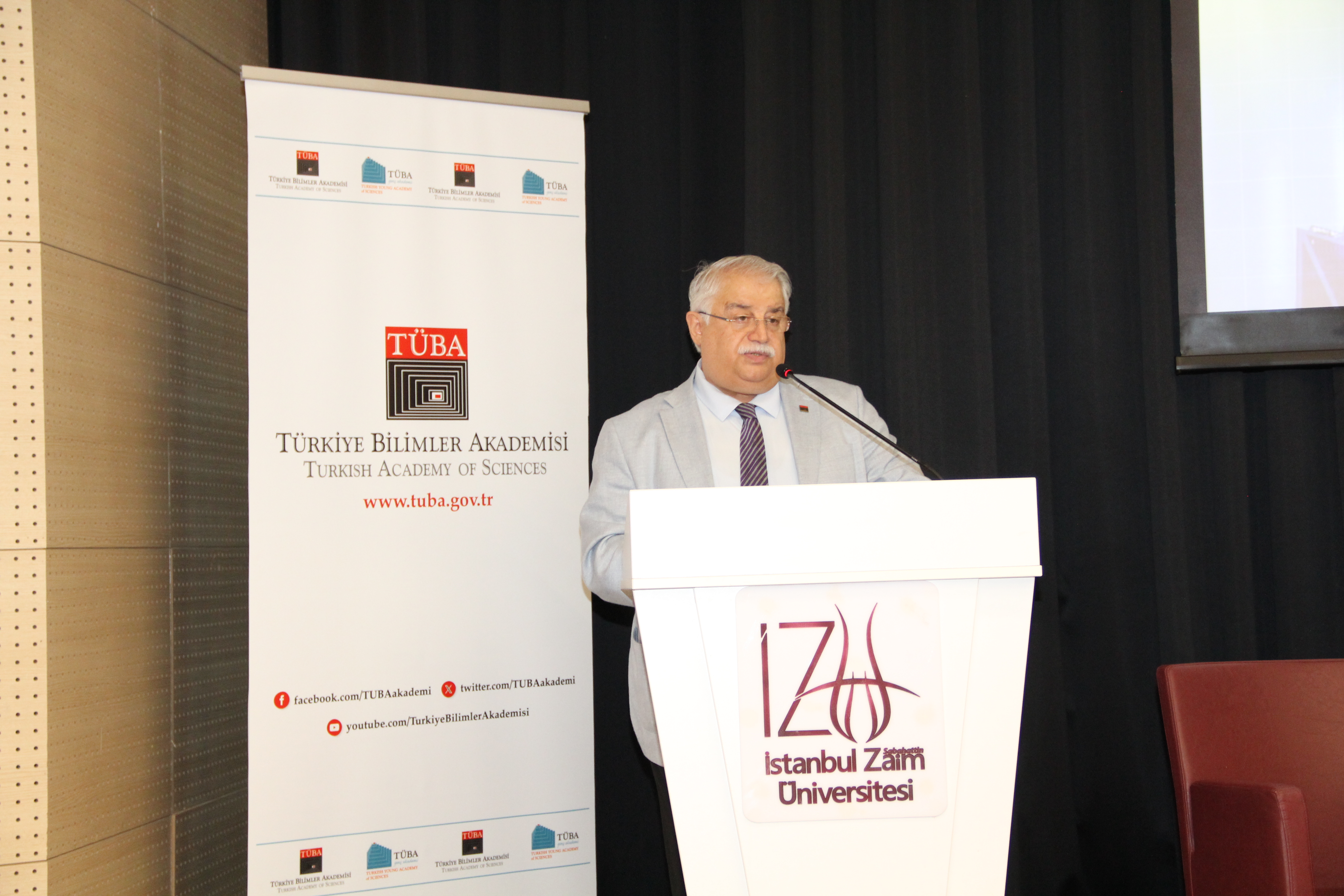
In his opening speech, he began by stating that addressing the theme “Sustainability and Family Businesses from Past to Present” creates a need to look both backward and forward. “By looking back, we learn from strong traditions. By looking ahead, we build resilient futures,” he said.
President Şeker continued: “Family businesses are among the oldest social and economic institutions in the world, carrying values and memory across generations. While trying to remain loyal to their founders, they also adapt to change. So how can family businesses remain true to their values while adapting quickly enough to climate and sustainability needs? This is a question directed not only at companies but also at society. When a family business manages its financial, natural, and social resources well, the benefits extend to suppliers, local communities, regions, and national economies. Today we will examine examples and ideas from countries such as Japan, Europe, China, Indonesia, Malaysia, Kyrgyzstan, and Türkiye. This broad perspective shows us universally effective practices such as good governance and accurate reporting. It also helps us understand areas that depend on local culture and regulations, such as financial instruments and frameworks. Our goal is to turn high-level objectives into concrete steps,” he said.
We Must Combine Intuition with Good Science, Sound Governance, and Fair Finance
He first emphasized the importance of “Intergenerational Governance,” stating that good governance is not merely a set of rules but a structure that supports oversight and responsibility. He noted that family councils and boards of directors should include younger generations, and that succession should not be viewed merely as inheritance but as a capability-building process. Highlighting “Strategy Under Uncertainty” as the second priority, Şeker stated that climate risk now lies at the center of business strategy and that both physical and transition risks must be taken into account in business planning. He emphasized the importance of transforming the long-term thinking abilities of family businesses into strategic roadmaps.
Addressing the third topic, “Financing and Measurement,” President Şeker stated that plans cannot be scaled without financing, and financing cannot flow without reliable data. He explained that sharing data transparently—such as energy use, emissions, resource efficiency, employee well-being, and social impact—will increase investor confidence. On the fourth topic, “Innovation Integrated with Identity,” Şeker said that sustainability is not only a constraint but also a space for opportunity. He noted that family businesses can generate innovative solutions rooted in their identity by combining traditional craftsmanship with clean technology, local production with circular models, and cultural heritage with modern design. Lastly, highlighting “People and Society,” Şeker emphasized that the human factor lies at the heart of sustainability, and even the best plans can fail without employee support. He stated that businesses that show sensitivity in areas such as fair employment, responsible supply chains, education, and environmental contribution earn trust in the eyes of society. Şeker noted that all these themes would guide the keynote speeches, presentations, and panels.
Continuing his speech, Şeker stated that sustainability must become a daily practice rather than a one-time goal, concluding with: “Family businesses know this truth well. They invest in tomorrows they will not see. If we combine these corporate policies with science-based sound governance and fair finance, we can turn challenges into progress.”
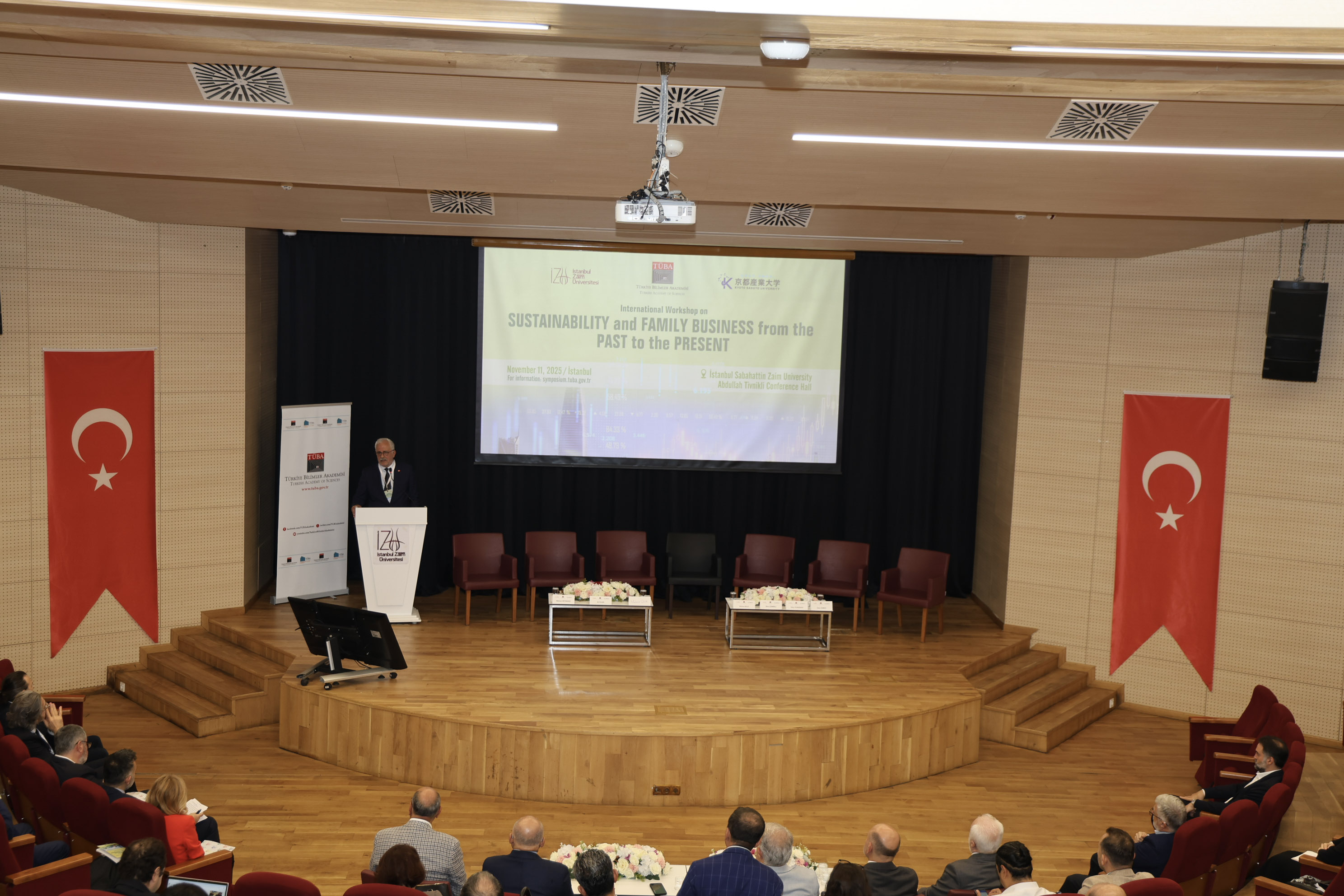
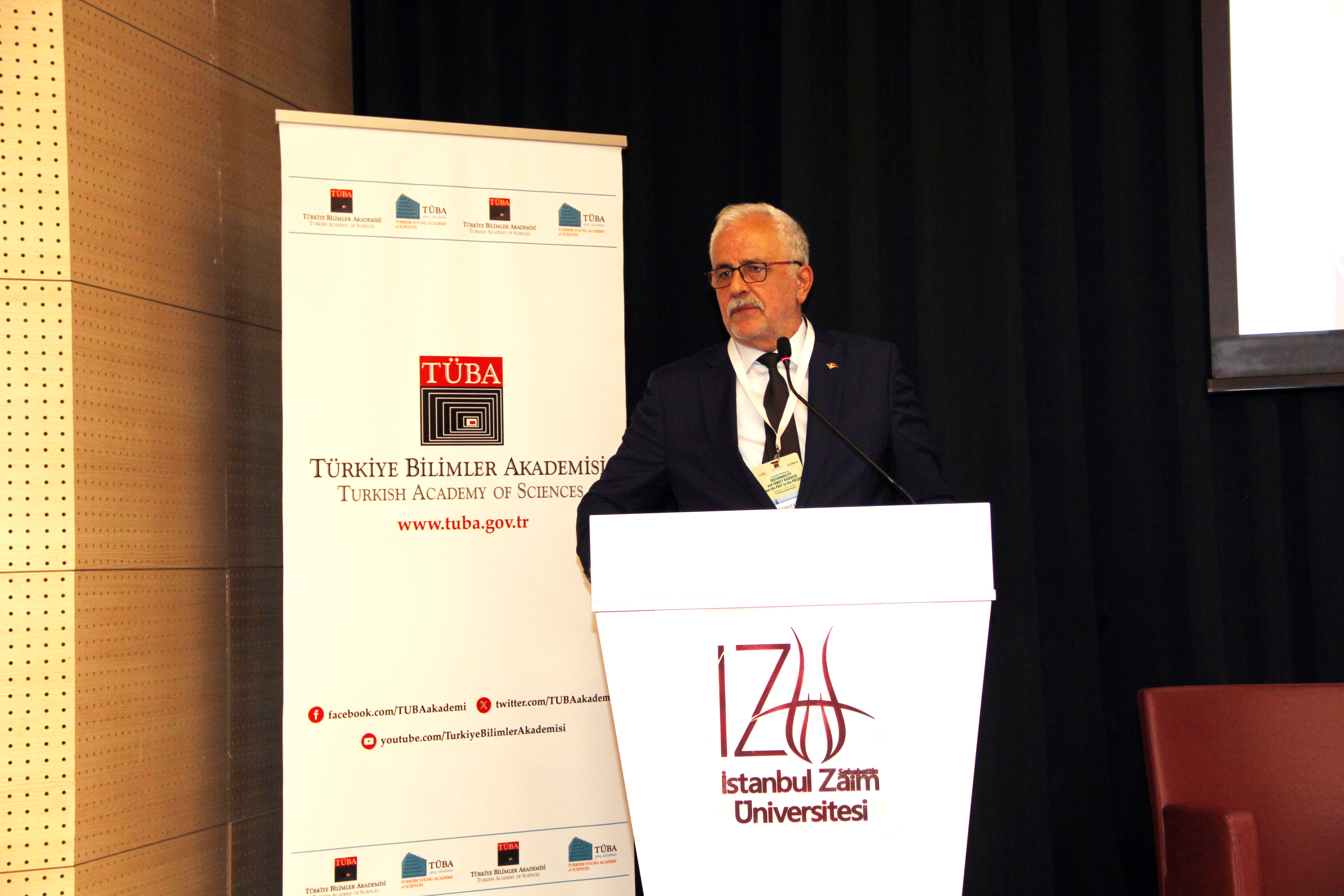
TÜBA Full Member and IZU Rector Prof. Dr. Ahmet Cevat Acar pointed out that after the Industrial Revolution the world entered a vicious cycle between production and consumption, and that uncontrolled use has brought natural resources to the brink of depletion. “The vast majority of existing businesses are family enterprises by origin. Those that have overcome the problem of sustainability by institutionalizing after their establishment continue to exist,” he said, highlighting the vital importance of sustainability. Acar continued: “One of the most important issues of today is not consuming the resources we have borrowed from future generations to the point where we cannot return them. The sustainability of family businesses and the global economic system requires a balance between production and consumption.”
Prof. Dr. Mehmet Bulut reminded that family businesses face sustainability challenges alongside the financial and environmental issues that all enterprises around the world must contend with. He noted that the oldest family business in the world is located in Japan. “This 600-year-old business in Japan is followed by others founded in France, Italy, and Germany. The oldest family business in Türkiye is Şekerci Hacıbekir, established in the 18th century. The average lifespan of family businesses in our country is around 30 years. Their most important challenge is sustainability. Today we will listen to the stories of the most successful family businesses in Türkiye and try to answer the question of what they owe their success to. In the afternoon, we will discuss the problems faced by family businesses and possible solutions through examples from countries such as Türkiye, Japan, Finland, Germany, and Indonesia,” he said.
.jpeg)
.jpeg)
.jpeg)