


Two Comprehensive Works on the One Health Approach from TÜBA
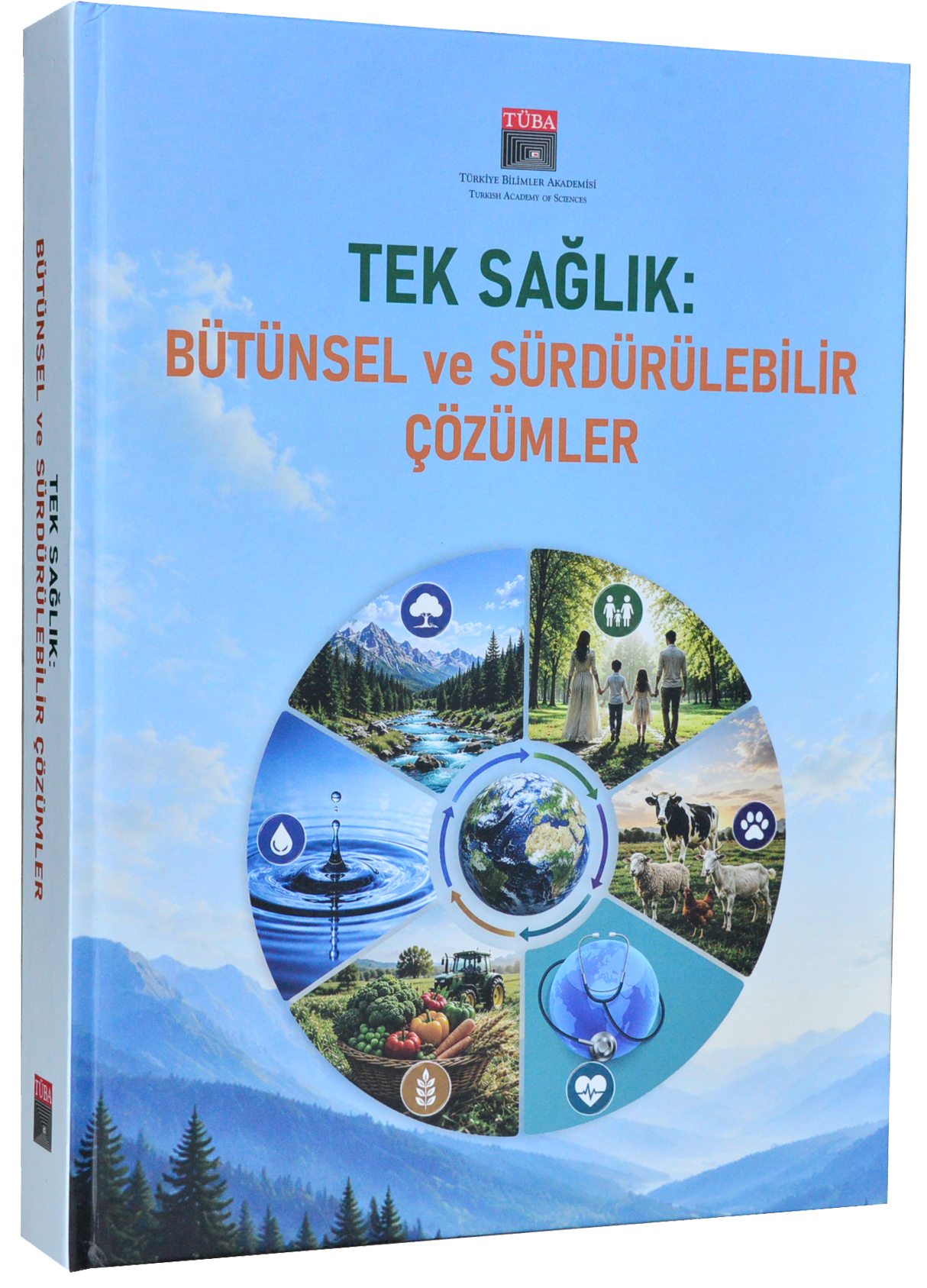 TÜBA has published two important works that comprehensively address the One Health approach, which has gained increasing importance on a global scale in recent years. Published as part of the TÜBA Science and Thought Series, “One Health: Holistic and Sustainable Solutions” present an interdisciplinary perspective that views human, animal, and environmental health not as separate entities, but as inseparable components of the same ecosystem.
President Şeker: “Science-policy collaboration must be strengthened”
TÜBA President Prof. Dr. Muzaffer Şeker, who authored the book’s foreword, noted that issues in the fields of health, the environment, and food can no longer be evaluated separately, emphasizing that climate change, loss of biodiversity, environmental pollution, and antimicrobial resistance have become global risk areas affecting humanity’s shared future.
Prof. Şeker emphasized that approaches treating human health as independent of nature are unsustainable, highlighting that strengthening the science-policy interface, developing inter-institutional collaborations, and ensuring active public participation are of great importance for establishing resilient health and food systems. Noting that these works will fill an important gap in understanding, disseminating, and implementing the One Health approach in Türkiye, President Şeker expressed his belief that these studies will serve as fundamental resources for many years to come.
Contributing to scientific literature and policy-making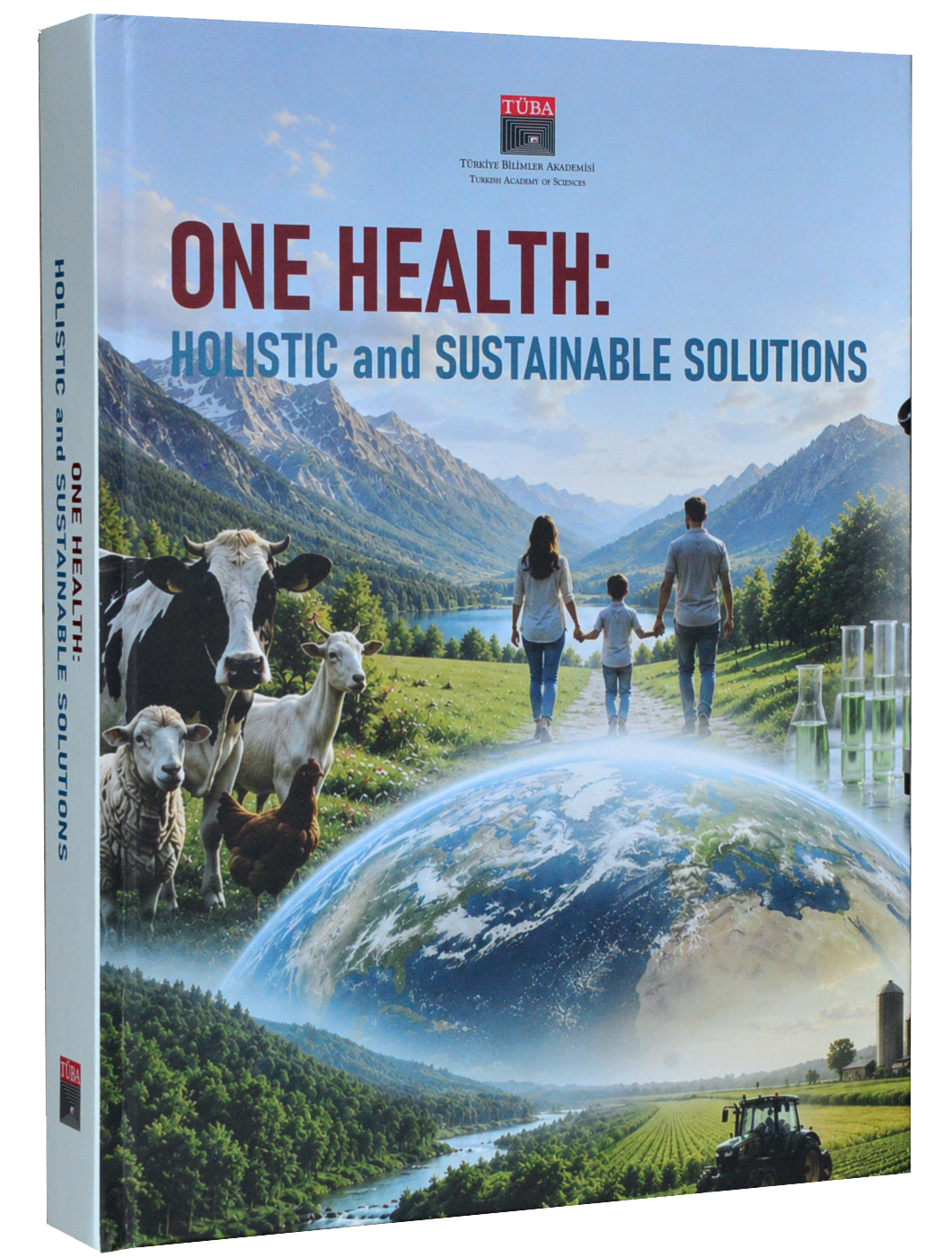 Prepared in both Turkish and English, the two works aim to transfer the scientific knowledge developed in Türkiye to the international literature while also contributing to the integration of the One Health approach into national policies. Serving as a concrete example of interdisciplinary scientific production, these publications address human, animal, and environmental health from a shared future perspective, thereby establishing a scientific framework for building more resilient societies.
Prof. Dr. Muzaffer Şeker, along with TÜBA Full Members and Prof. Dr. Mehmet Emin Aydın, Chair of the TÜBA Environment, Biodiversity, and Climate Change Working Group; Prof. Dr. Kazım Şahin, Chair of the TÜBA Food and Nutrition Working Group; and Prof. Dr. Sezai Ercişli, a member of the TÜBA -Environment, Biodiversity, and Climate Change Working Group, feature 26 scientific chapters contributed by more than 30 experts in their respective fields. Spanning approximately 1,300 pages, these two studies serve as comprehensive reference resources designed to guide not only academic circles but also decision-makers, public institutions, and practitioners.
Why is the One Health approach important?
Global developments in recent years—such as the COVID-19 pandemic, disasters caused by climate change, loss of biodiversity, food security issues, and antimicrobial resistance—have demonstrated that addressing health issues solely from a medical perspective is insufficient. Prepared in response to this need, these works evaluate human health in light of scientific data showing that it cannot be considered independently of the environment, agriculture, livestock, and ecosystems.
The books cover a broad range of topics, from science diplomacy to zoonotic diseases, from food safety to environmental pollutants, and from water and soil management to AI-supported environmental monitoring systems; they present not only the causes of these problems but also potential solutions and actionable policy recommendations through an interdisciplinary lens.
A Joint Scientific Effort by Two Working Groups
The volumes were prepared as the result of a joint effort by TÜBA’s Environment, Biodiversity, and Climate Change Working Group and the Food and Nutrition Working Group. In the foreword, the editors emphasize that climate change, environmental pollution, loss of biodiversity, and vulnerabilities in food systems constitute multidimensional crises rooted in common causes; therefore, a solution can only be achieved through interdisciplinary and holistic approaches. The primary objective of the study is stated as not merely explaining the One Health approach at a conceptual level, but rather to present a scientific reference source supported by practical and sustainable solution proposals.