

The Timurid Legacy Is a Shared Treasure of All Humanity
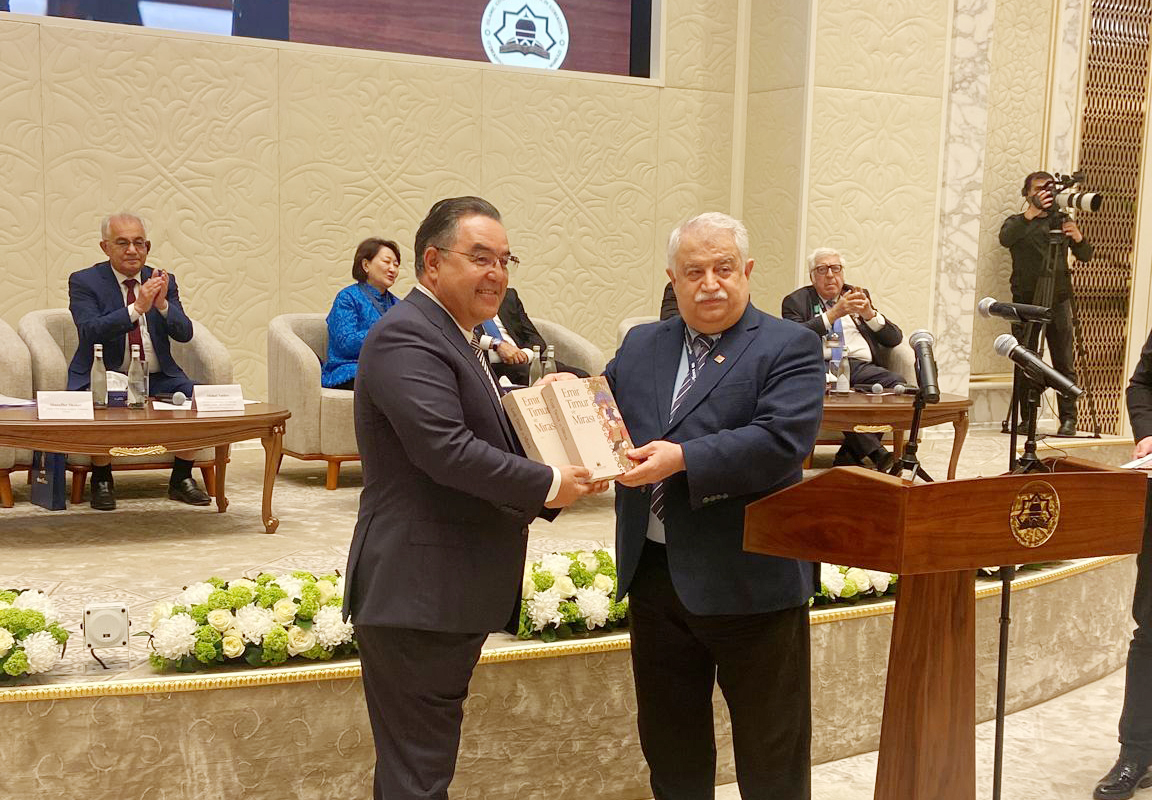
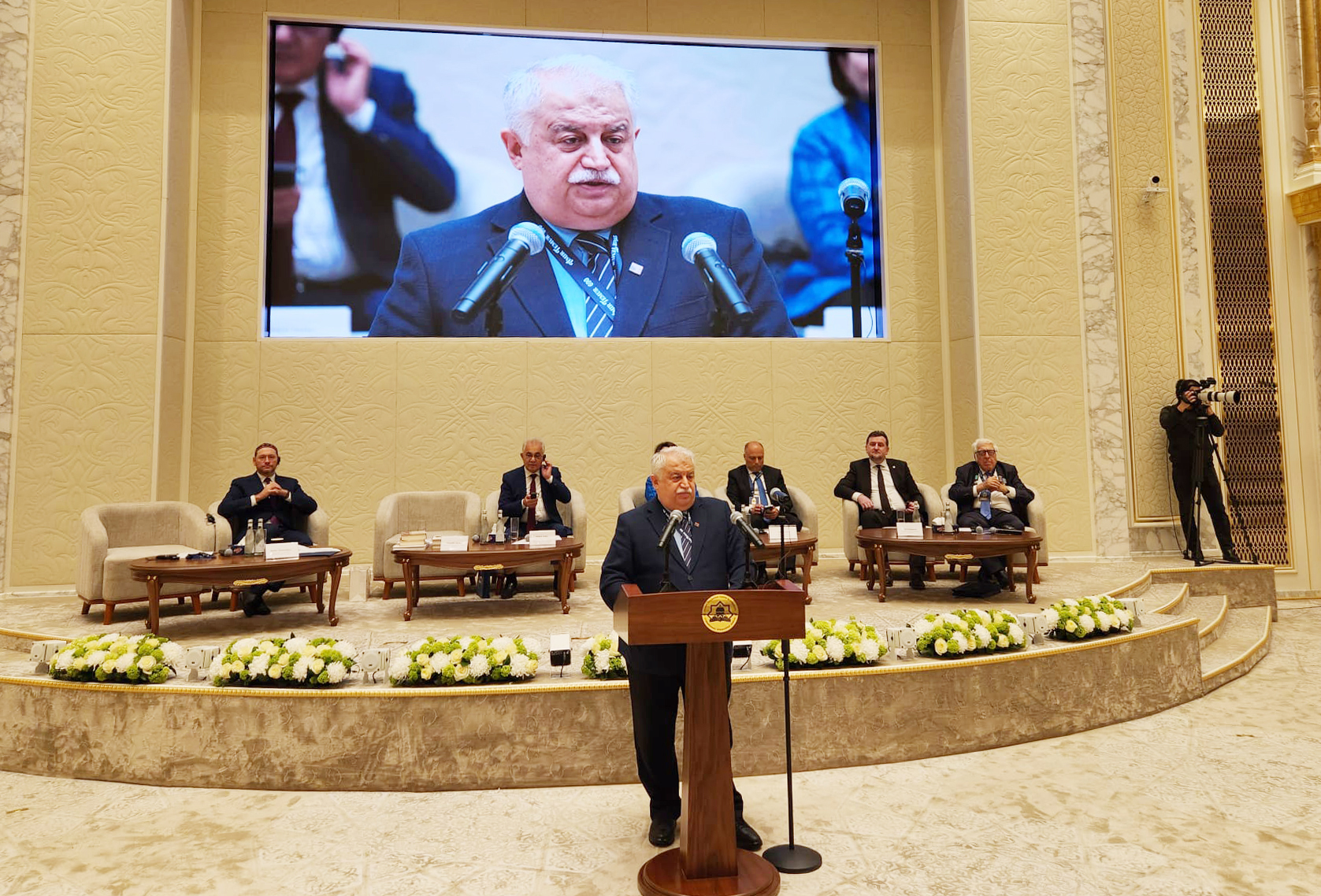
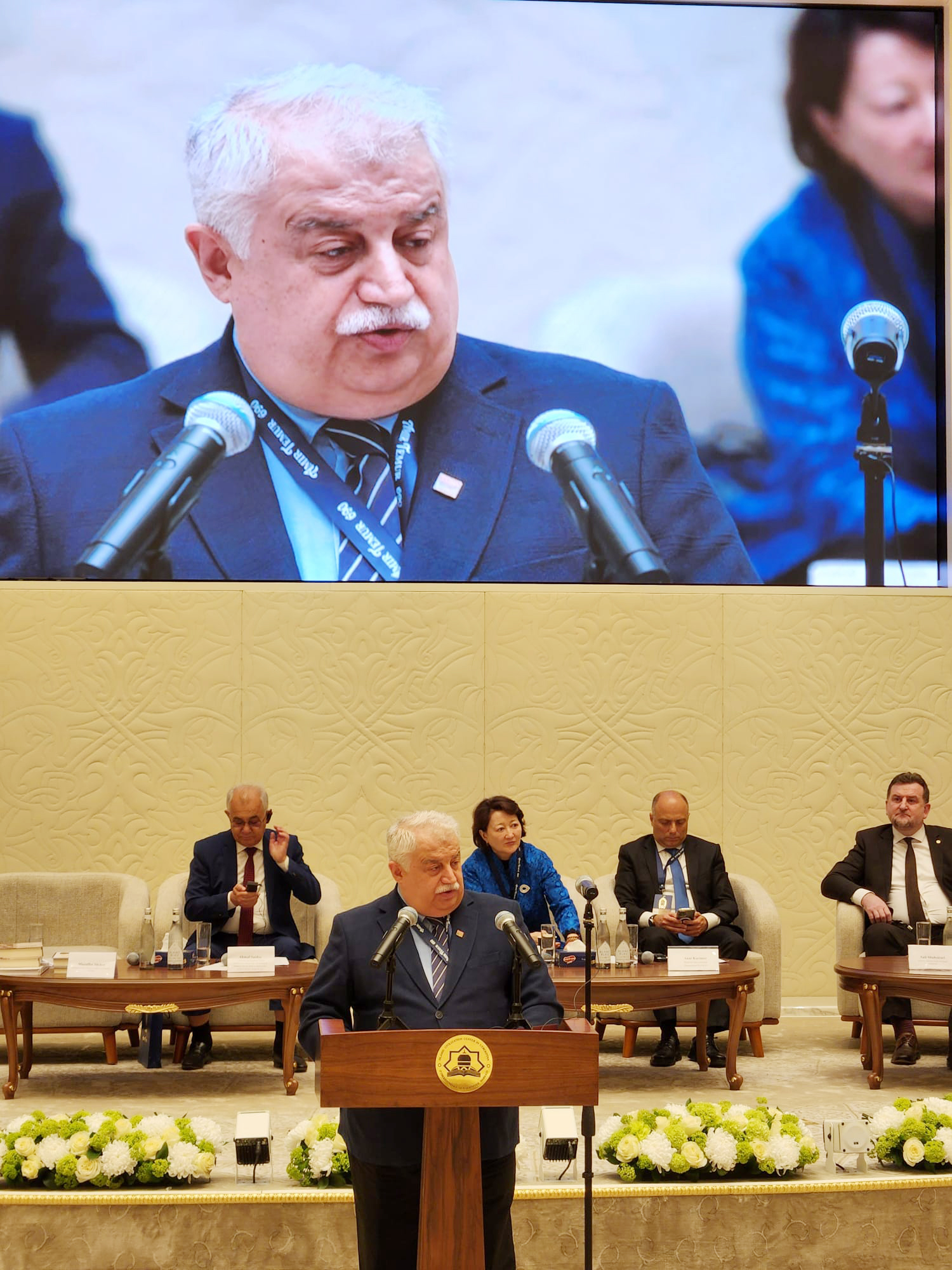 TÜBA President Prof. Dr. Muzaffer Şeker attended the international scientific conference titled “The Role and Importance of Amir Timur and the Timurid Civilization in World History and Culture,” held at the Uzbekistan Center for Islamic Civilization in Tashkent to commemorate the 690th anniversary of Amir Timur’s birth.
At this large-scale international conference, which brought together academic discussions, exhibition projects, and cultural programs, the legacy of Amir Timur and the Timurid era was comprehensively examined from a scientific perspective. Within the framework of the program, plans were made for international academic and cultural collaborations extending through the year 2030.
Science, History, and Culture Converged in the Timurid Legacy
The conference, which opened with the reading of a message from Uzbekistan President Shavkat Mirziyoyev, featured speeches by Dr. Farhan Ahmad Nizami, Director of the Oxford Centre for Islamic Studies; Prof. Dr. Muzaffer Şeker, President of TÜBA; Coşkun Yılmaz, President of the Turkish Institution of Manuscripts; Sultan Raev, Secretary General of TÜRKSOY; and Shavkat Ayupov, President of the Uzbekistan Academy of Sciences.
In his speech, TÜBA President Prof. Dr. Muzaffer Şeker emphasized that the Timurid legacy belongs not only to a specific region but to all of humanity, stating, “The scientific achievements, artistic splendor, and institutional heritage of the Timurid world are a common heritage of humanity.” Şeker emphasized that the observatories in Samarkand, the madrasas in Herat, and the libraries in Bukhara were not merely symbols of an empire but also centers of knowledge production.
Noting that the Timurid period was one of the golden ages in science and culture, Şeker stated that this legacy had a significant impact across a vast geography, from the Ottoman Empire to the Mughal Empire. He also noted that, in line with this understanding, TÜBA published a comprehensive academic work titled “Amir Timur and His Legacy,” which examines Timurid history through the dimensions of war, state administration, architecture, literature, and faith, and features contributions from 37 different researchers. In his speech, Şeker emphasized that throughout history, the Ottoman and Timurid civilizations played a shared role in the construction of civilization, going beyond mere competition, and noted that the two traditions produced structures that mutually enriched one another in the fields of science, architecture, and governance.
Referring to the present day, Şeker emphasized the need to address information alongside ethical values in the age of digitalization and artificial intelligence, stating, “Knowledge is a treasure entrusted to all of humanity. Technological progress gains meaning only within an ethical framework.”
The conference was attended by over 300 scientists, experts, university presidents, representatives of international organizations, as well as representatives from museums, libraries, and universities from Europe, Asia, the Middle East, and North America. International participants were introduced to the new exhibition spaces at the Uzbekistan Center for Islamic Civilization; works from the Timurid period returned to Uzbekistan and materials newly acquired by the scientific community were presented.
The program also included a visit to the renovated Amir Timur Museum; exhibitions focusing on themes such as manuscripts, book culture, the legacy of the Qur'an, numismatic works, Amir Timur’s place in European historiography, and folk arts were opened. In the evening, a screening of the historical documentary film “Amir Timur and Donna Maria” was held.
Thematic sessions were held on topics including Timurid-period architecture and archaeology, manuscript works and book culture, the Qur'anic tradition, the historiography of Amir Timur, science and education, art and miniatures, East-West interactions, and the preservation and digitization of the Timurid heritage. As part of the cultural program, a light and music show highlighting Uzbekistan’s historical and cultural heritage was staged.
.jpeg)