

President Şeker Emphasizes Scientific Trust and International Cooperation at UNESCO
TÜBA President Prof. Dr. Muzaffer Şeker represented Türkiye at the 4th Chief Science Advisors Roundtable (CSAR), held at UNESCO Headquarters.
Organized at UNESCO Headquarters in Paris in partnership with UNESCO and the Ministry of Science, Technology, and Innovation of the Republic of South Africa, with the support of the Government of India, the meeting brought together chief science advisors from various countries, representatives of scientific advisory mechanisms, and international organizations. Conducted in English and French, the meeting was organized to facilitate the translation of scientific knowledge into public policy, strengthen trust in scientific advising, and foster international cooperation. Key agenda items included ensuring the representation of diverse knowledge sources and societal groups in scientific advising processes, guaranteeing transparency in the evaluation of scientific evidence, and addressing the new opportunities and risks posed by artificial intelligence. The previous meeting before this fourth edition of the CSAR meeting series, which began in India in 2023, was hosted by the Republic of South Africa in 2025 and attended by TÜBA.
Speaking at the meeting, which was held under the theme “Trusted Advice in a World of Plural Knowledge,” Şeker outlined Türkiye’s approach to strengthening scientific advisory mechanisms, incorporating diverse sources of knowledge into decision-making processes, supporting young researchers, and safeguarding scientific integrity in the age of artificial intelligence. Şeker also extended an invitation to the international scientific community to attend the World Science Forum (WSF 2027), which will be held in Istanbul from March 17–20, 2027.
“Science Knows No Borders, But It Needs Trusted Guidance”
Speaking on behalf of Türkiye at the meeting, TÜBA President Prof. Dr. Muzaffer Şeker noted that Türkiye’s location at the intersection of Europe, Asia, and Africa clearly highlights the interconnectedness of regional and global issues. Noting that approaches relying on a single field of expertise would not be sufficient in solving complex problems such as climate pressures, energy transition, and humanitarian crises, Şeker emphasized that reliable scientific advisory services would be possible through the strengthening of national institutional structures and the inclusion of diverse sources of knowledge in decision-making processes.
Noting that, in Türkiye, scientific institutions such as TÜBA and TÜBİTAK, as well as specialized advisory networks, play important roles in translating scientific knowledge into policy processes, Şeker noted that reliable scientific advice is not limited to institutional structures alone but also requires a transformation in the way society engages with science. Referring to the participation of younger generations in scientific and technological processes, Şeker stated that TEKNOFEST, one of Türkiye’s major technology organizations, has enabled millions of young people, young researchers, and innovators to become active co-creators of technological solutions. Şeker also emphasized that, in line with UNESCO’s emphasis on a pluralistic understanding of knowledge, local knowledge bases, regional experiences, and data systems based on advanced technology must be evaluated together. Noting that artificial intelligence offers significant opportunities for scientific advisory processes but also creates new risks regarding data sources, accountability, and misinformation, President Şeker said that transparently demonstrating how scientific evidence is evaluated is of fundamental importance for maintaining public trust. He stressed the need to manage scientific uncertainties honestly, prevent information pollution, and safeguard the integrity of scientific advisory processes against the misuse of expert opinions.
WSF 2027 Will Be an Important Platform for International Scientific Collaboration
In his speech, TÜBA President Prof. Dr. Muzaffer Şeker also highlighted the development of international scientific cooperation, noting that the World Science Forum (WSF 2027), to be held in Istanbul on March 17–20, 2027, will serve as an important platform for strengthening scientific advisory mechanisms.
Noting that the forum’s sub-themes will contribute to the further institutionalization of global collaboration, scientific ethics, and the science-policy interface, Şeker emphasized the importance of international gatherings in ensuring that scientific advisory systems are robust, equitable, and prepared for the needs of the future. Prof. Dr. Şeker concluded his remarks by emphasizing Türkiye's commitment to fostering international scientific solidarity, supporting inclusive knowledge systems, and ensuring that scientific evidence serves as a universal compass for human dignity and peace.
The Opening Session Highlighted the Reliability and Inclusivity of Scientific Advice
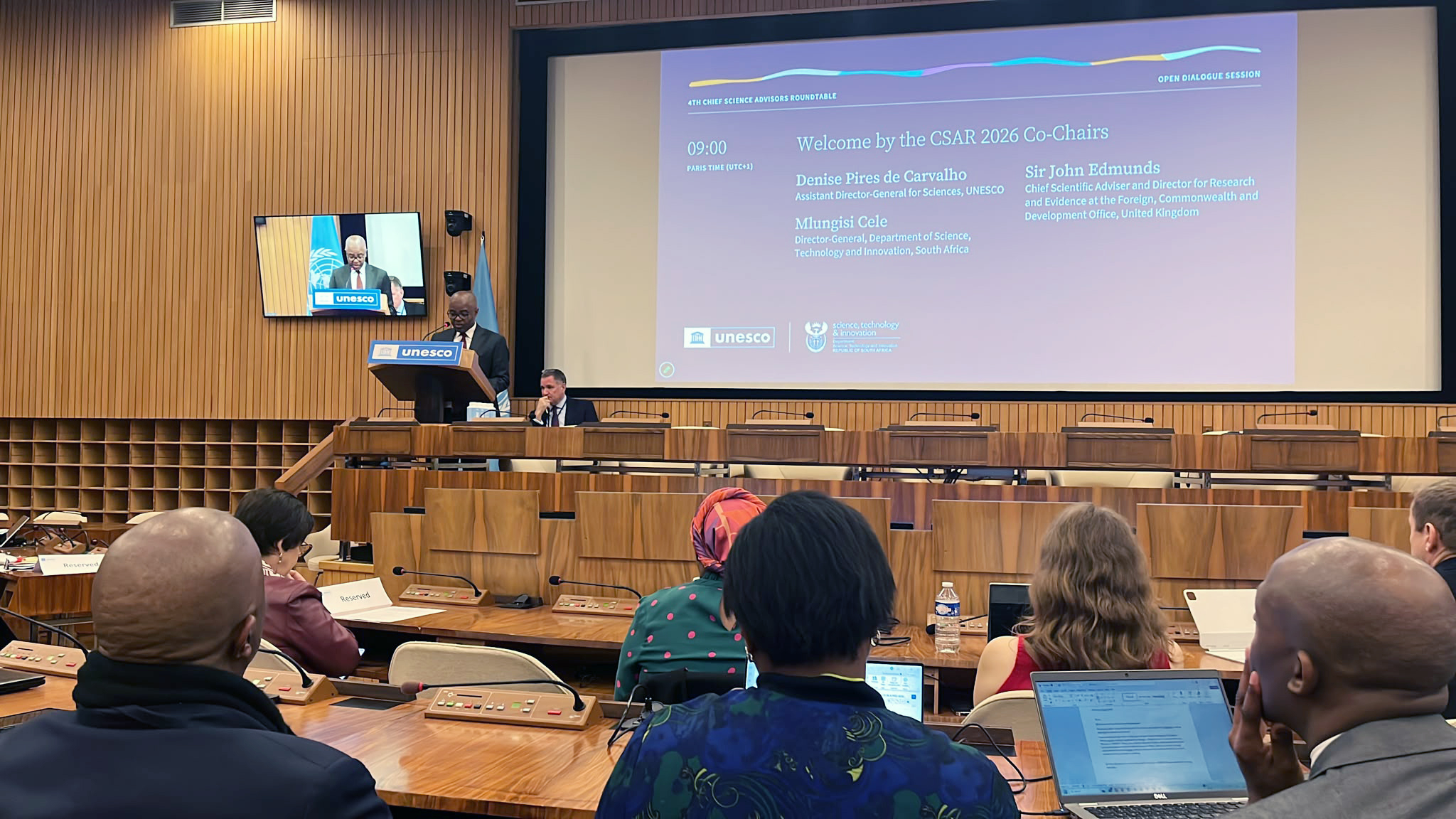
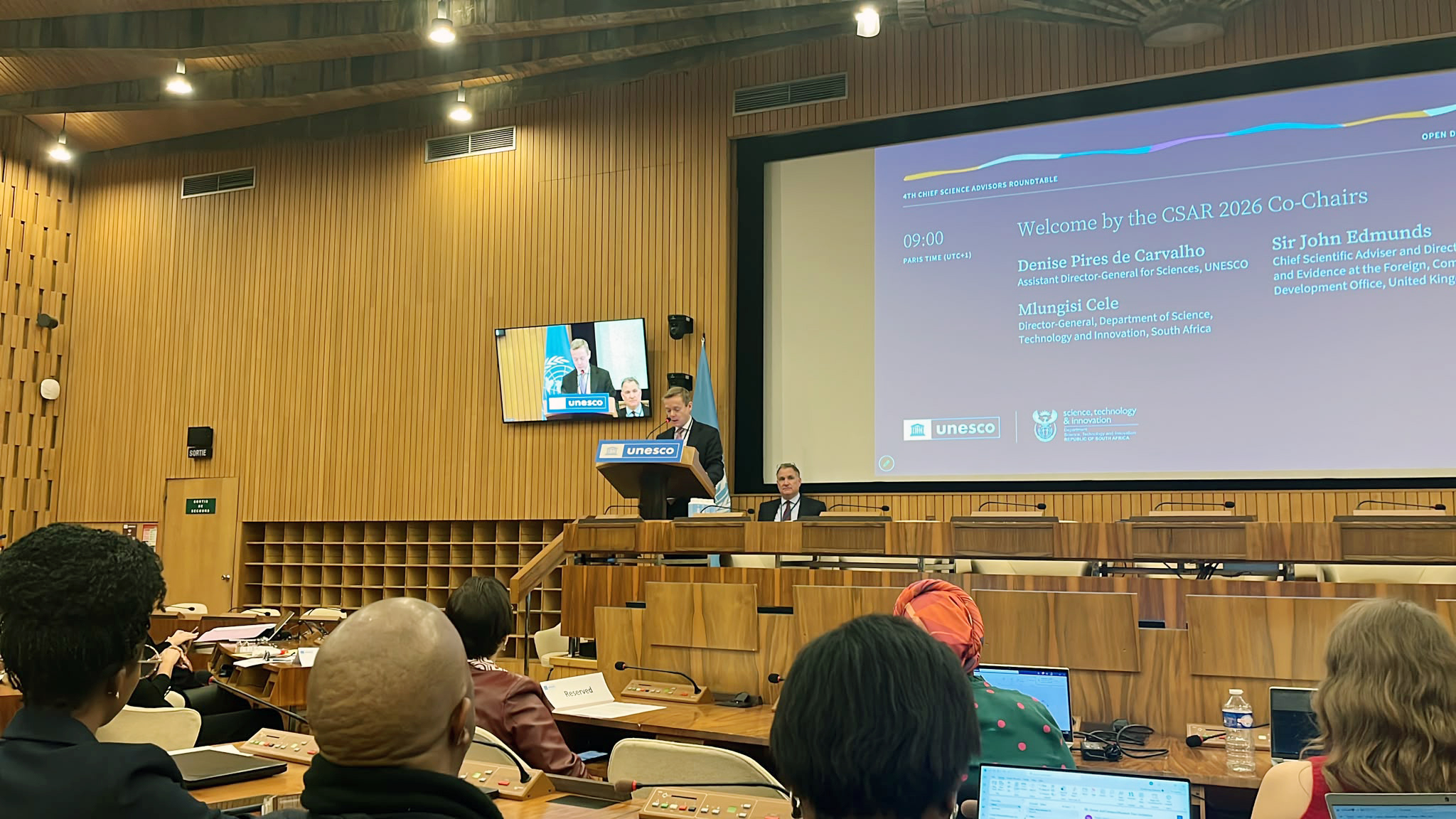
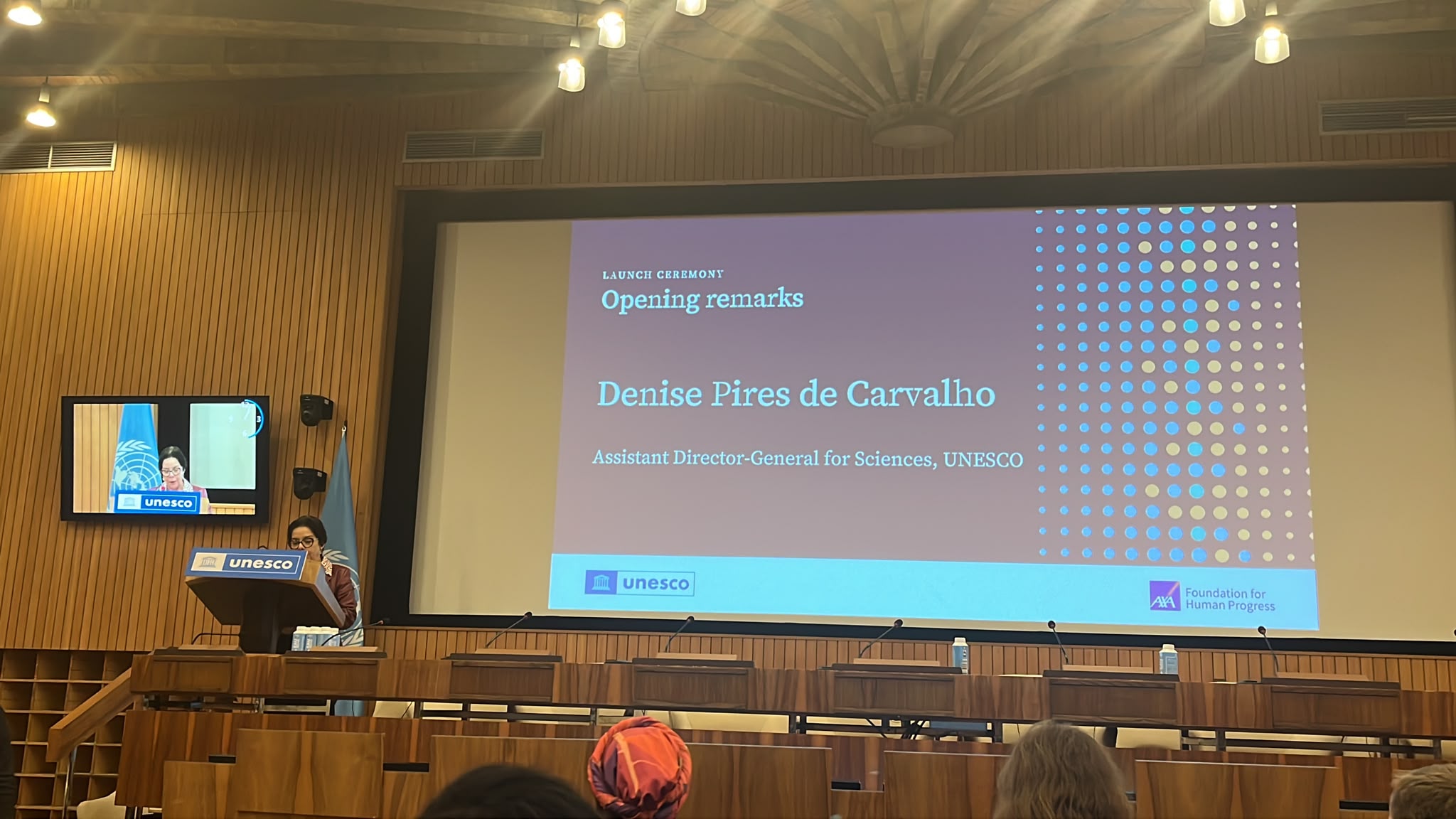
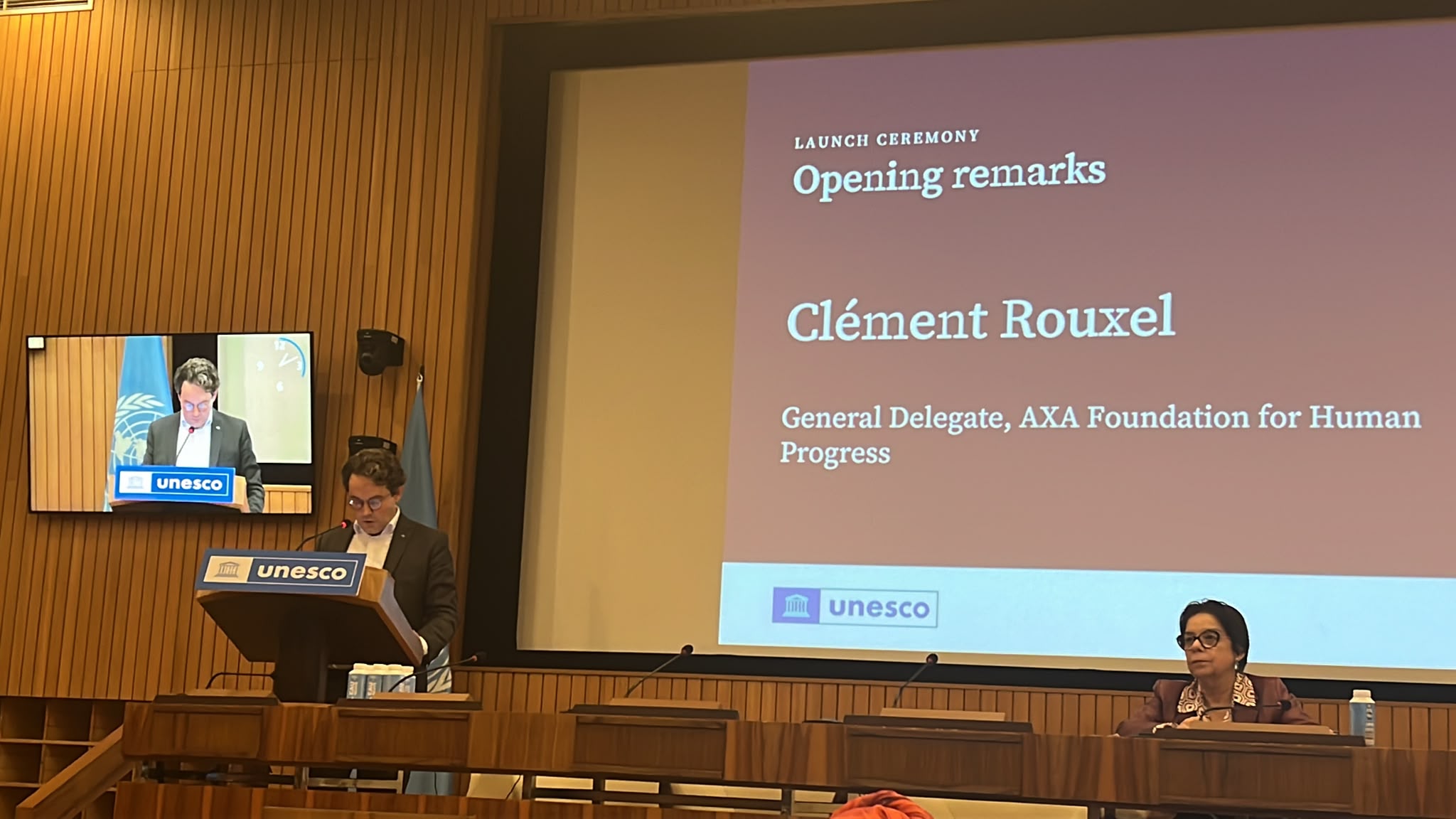
The public session of the meeting began with opening remarks by Denise Pires de Carvalho, UNESCO’s Assistant Director-General for Sciences, and Mlungisi Cele, Director-General of the Ministry of Science, Technology, and Innovation of the Republic of South Africa.
Following the opening, Lebanese Minister of the Environment Tamara el-Zein delivered the keynote address titled “When Evidence Speaks with Many Voices: Building Capacity for Trusted Science Advice.”
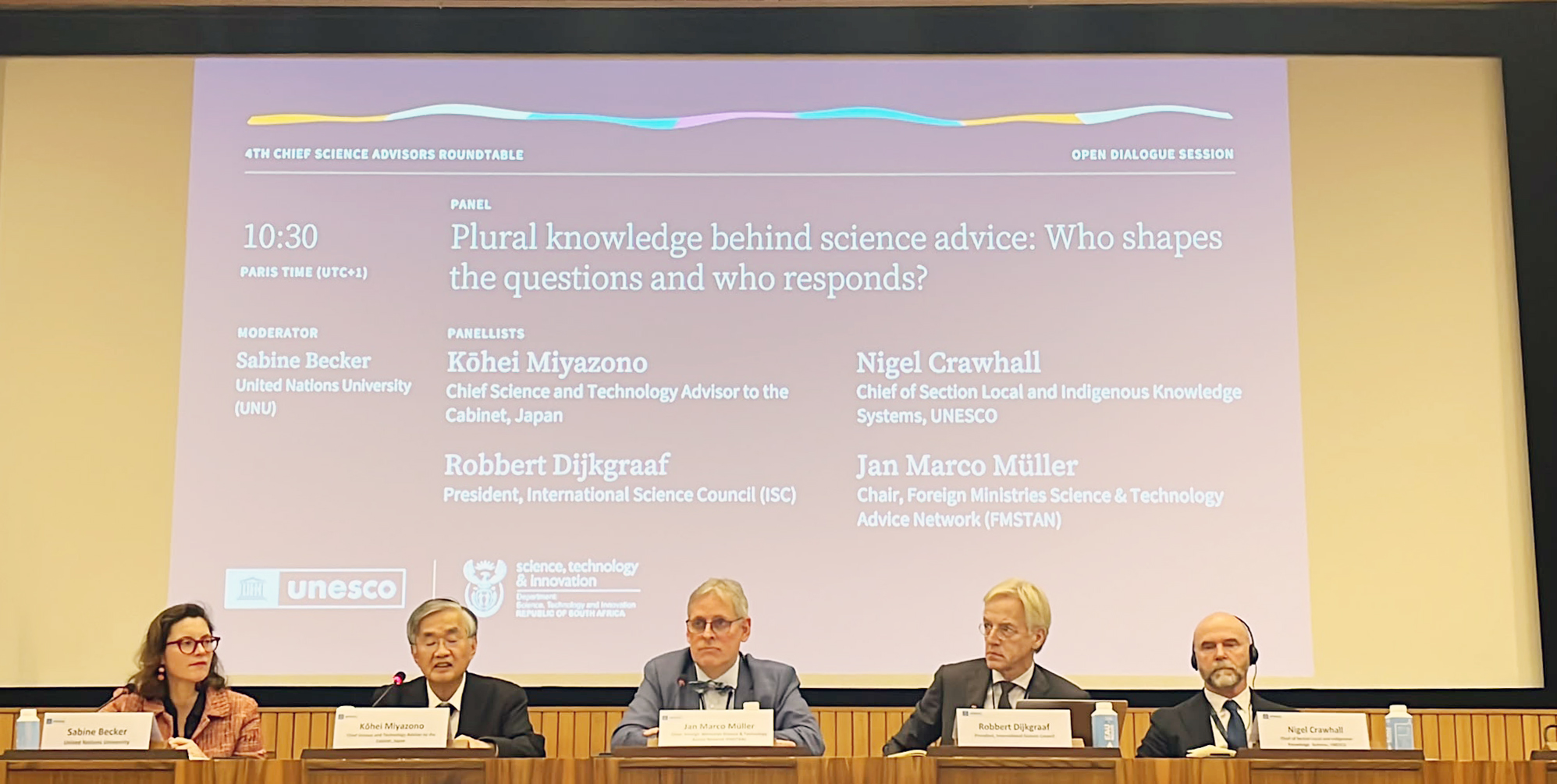
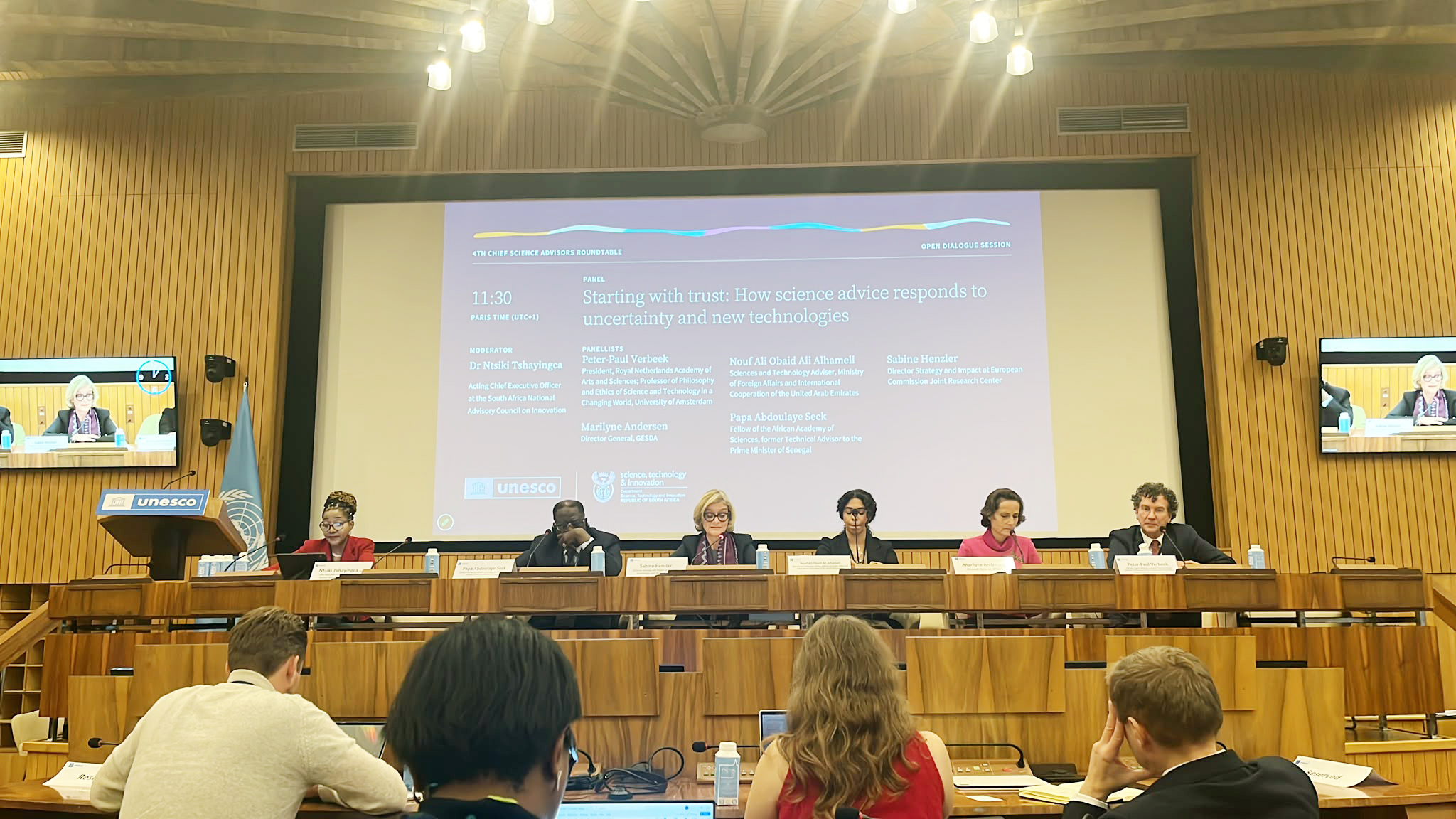
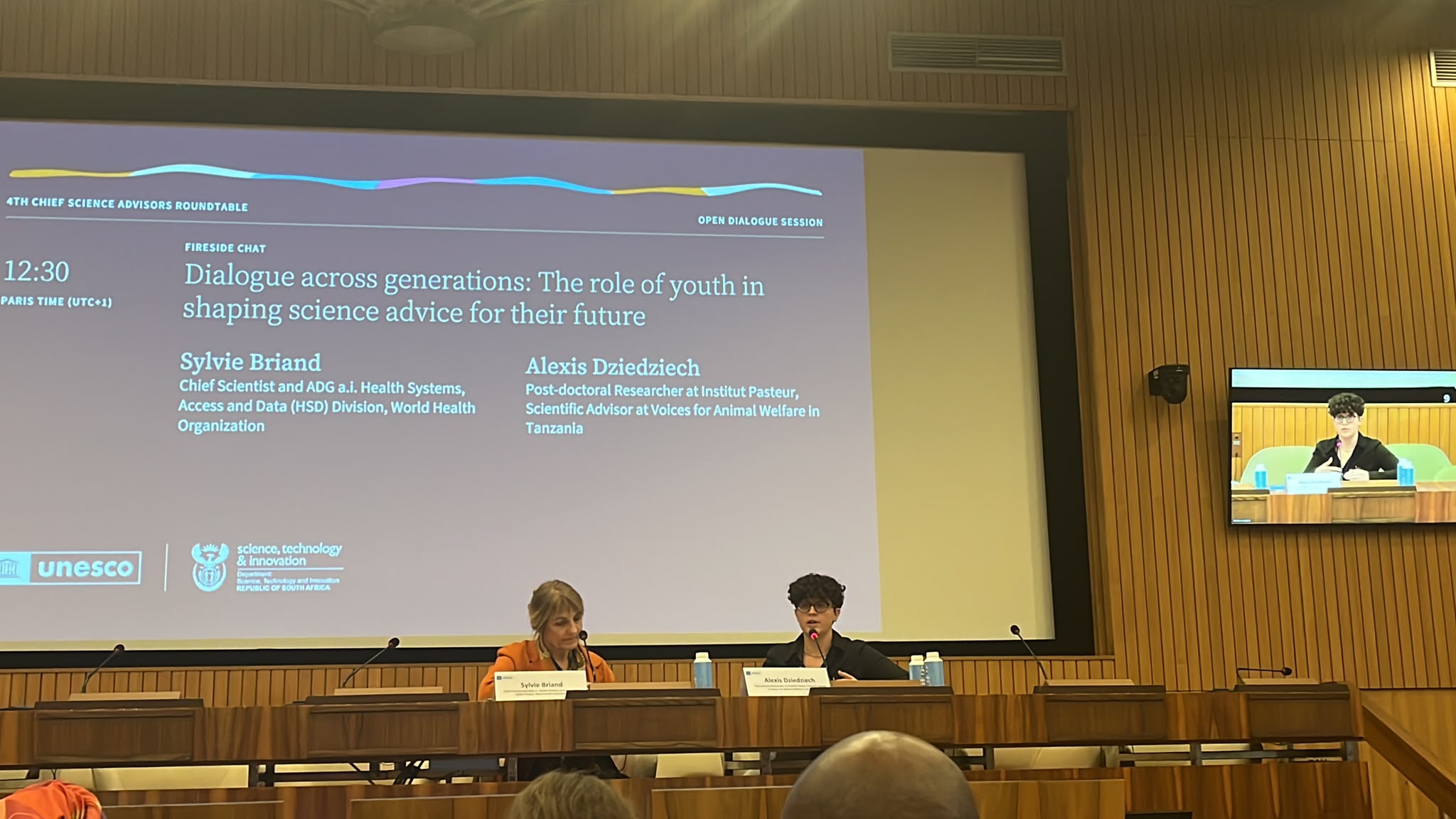
The first panel organized as part of the program addressed the role of different sources of information in scientific advisory processes, who determines research questions, and which actors have a say in decision-making processes. The session, moderated by Sabine Becker of the United Nations University, featured Olayiwola Agoro, Director of Nigeria’s Federal Ministry of Science, Technology, and Innovation; Kōhei Miyazono, Chief Science and Technology Advisor to the Cabinet of Japan; Robbert Dijkgraaf, President of the International Council for Science; and Jan Marco Müller, President of the Network of Science and Technology Advisors to Ministries of Foreign Affairs (FMSTAN), participated. The second panel discussed how to maintain trust in scientific advisory processes in the face of uncertainty and emerging technologies. Moderated by Ntsiki Tshayingca, Deputy Chair of the South African National Innovation Advisory Council, the session featured Prof. Dr. Peter -Paul Verbeek, President of the Royal Netherlands Academy of Arts and Sciences; Marilyne Andersen, Director General of GESDA; Nouf Ali Obaid Ali Alhameli, Science and Technology Advisor at the Ministry of Foreign Affairs and International Cooperation of the United Arab Emirates; and Sabine Henzler, Director of Strategy and Impact at the European Commission’s Joint Research Center, shared their perspectives. In the intergenerational discussion held during the final segment of the morning session, the participation of young people in scientific advisory processes that will shape their own futures was addressed. Following a discussion featuring Zakri Abdul Hamid, Founding Director of the International Institute for Science Diplomacy and Sustainability at UCSI University in Malaysia, and Awa Bousso Dramé, Founder and Director of the CoastGIS Research Institute and recipient of the L’Oréal-UNESCO For Women in Science Award, the open session concluded with remarks by Shaofeng Hu, Director of UNESCO’s Section for Research and Technology Ethics.
Exchange of Views Among Chief Science Advisors During the Closed Session
The afternoon session of the meeting was dedicated to a closed roundtable discussion attended by chief science advisors, officials in equivalent positions, observers, and invited guests. During the session, which was attended by one representative from each member state and observer, the countries’ experiences with scientific advisory systems and shared priorities were discussed.
Following the co-chairs’ opening remarks, the exchange of views focused on adapting scientific advisory mechanisms to different national institutional structures, the evaluation of scientific evidence, and strengthening international cooperation. At the conclusion of the session, a draft Chair’s Summary containing the meeting’s key assessments was presented. The meeting, contributing to the development of international dialogue and cooperation in the field of scientific advisory services, concluded with a networking reception hosted by the Republic of South Africa, which also featured a special presentation by the International Science Council (ISC).