
Modern Heterocyclic Chemistry
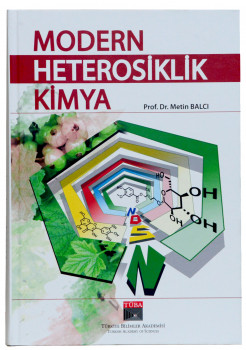
Heterocyclic chemistry is a subfield of organic chemistry. Heterocyclic compounds are cyclic organic compounds that contain at least one heteroatom in addition to carbon atoms. The most common heteroatoms are nitrogen, oxygen, and sulfur. Heterocyclic compounds are widely found in nature. They form the building blocks of important natural compounds such as DNA, RNA, chlorophyll, hemoglobin, and vitamins. In addition, heterocyclic compounds are found in most drugs, many natural and synthetic dyes, agricultural products, disinfectants, antioxidants, corrosion inhibitors, polymers, and numerous other fields. The book systematically discusses the syntheses and various reactions of compounds containing one, two, and in some cases three heteroatoms, ranging from three-membered to seven-membered rings. In Modern Heterocyclic Chemistry, authored by TÜBA Honorary Member Prof. Dr. Metin Balcı, the formation mechanisms of compounds in syntheses are explained at a level accessible to the reader. Research conducted up to 2023 has been included in the book, again with the reader’s level of understanding in mind. A total of 1,870 references are provided, listed separately in the relevant sections, to facilitate access to the original articles.